Horse chestnut is unusual among herbal supplements in having reasonably supportive evidence for a specific condition.
What is horse chestnut?
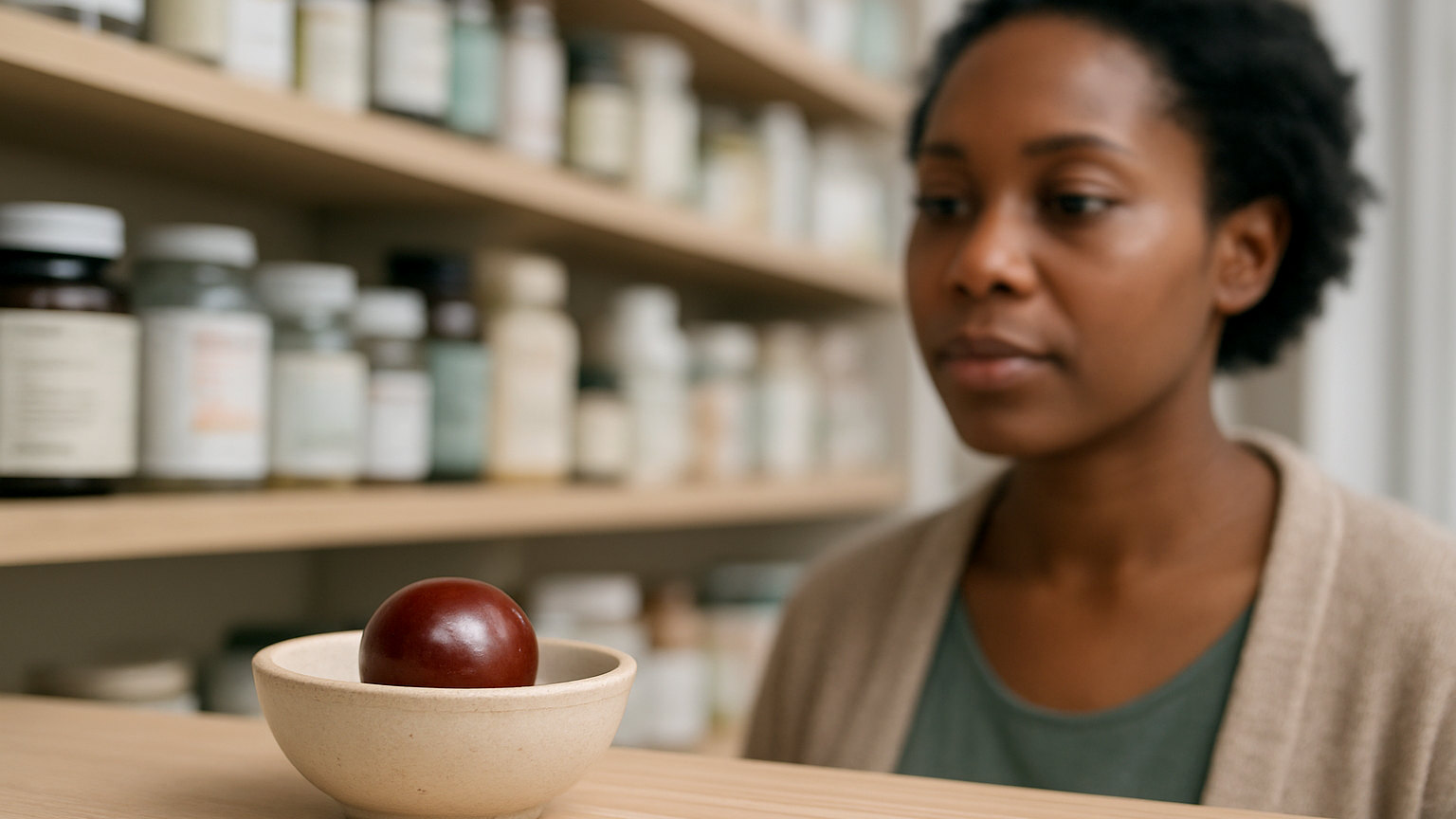
An extract of the seed of Aesculus hippocastanum, standardised for a compound called aescin.
Horse chestnut seed extract is a processed product, and raw seeds, leaves and bark are toxic and should never be eaten.
What do people take it for?
Chronic venous insufficiency, meaning the leg symptoms that accompany varicose veins: aching, heaviness, swelling and itching.
It is also taken for haemorrhoids, which involve the same type of vein problem.
What does the research show?
A Cochrane review of horse chestnut seed extract for chronic venous insufficiency found reductions in leg pain, swelling and itching compared with placebo.
The reviewers described the evidence as suggestive of efficacy while noting that trials were mostly short and of variable quality.
This places horse chestnut ahead of most herbal supplements, where reviews typically find insufficient evidence.
What dose is used?
Trials generally used extract supplying around 50 milligrams of aescin twice daily.
Products should state the aescin content, since extract weight alone does not indicate strength.
How does it work?
Aescin appears to reduce the leakiness of small blood vessels, which would reduce the fluid accumulation causing swelling.
What are the side effects?
- Stomach upset and nausea, reduced by taking it with food
- Dizziness and headache occasionally
- Itching in some people
Who should be careful?
Anyone taking anticoagulant or antiplatelet medication, since horse chestnut may affect bleeding.
People with kidney or liver disease, where it is generally not recommended.
Pregnant and breastfeeding women, where safety has not been established.
How does it compare with other treatments?
Compression stockings have strong evidence for venous insufficiency and are the standard first approach.
Trials comparing horse chestnut with compression have found broadly similar effects on swelling, which is a genuinely interesting finding.
Elevation, movement and weight management all contribute independently.
When should you see a GP?
Sudden swelling in one leg, pain, warmth or redness needs urgent assessment, since these can indicate a clot.
Skin changes, ulceration or worsening symptoms also warrant review.
What is the summary?
Horse chestnut is taken for varicose vein symptoms and has better evidence than most herbal products, alongside compression rather than instead of it.
This article is general information and not medical advice.
Why is raw seed dangerous?
Whole horse chestnut seeds contain esculin, which is toxic and causes vomiting, diarrhoea and in serious cases neurological effects.
Children occasionally eat conkers, and this is a recognised reason for concern.
Commercial extracts have this removed during processing.
How long before it works?
Trials typically assessed outcomes over two to twelve weeks, so a fair test means several weeks rather than days.
Symptoms of venous insufficiency also vary with heat, standing and time of day, which makes short assessments unreliable.
What should you look for on a label?
Standardised aescin content, since that is the figure trials used and the one that allows comparison.
Products stating only a seed extract weight are giving you less information than you need.
Does it work for haemorrhoids?
The same vein weakening process is involved, and some products are marketed for this on that basis.
Direct trial evidence is thinner than for leg symptoms, and topical treatments are the usual first approach.
What else helps venous symptoms?
Regular walking, avoiding prolonged standing, elevating the legs and losing excess weight all contribute.
Compression remains the intervention with the strongest evidence.
Who might it suit?
Someone with venous symptoms who cannot tolerate compression stockings or wants an addition to them.
What is the evidence position overall?
Horse chestnut is one of a small number of herbal supplements where a systematic review reached a broadly positive conclusion.
That places it ahead of most of the category while still resting on modest trials.
It is worth knowing which supplements have that status and which do not.
A pharmacist can advise on whether horse chestnut is appropriate alongside your other medicines.