Should You Take a Selenium Supplement?
UK intakes are below the reference figure, which is an argument for attention rather than for high doses. Food covers it easily, and the trials of supplementation have been unimpressive.
A narrow gap between enough and too much, why a couple of Brazil nuts complicates the maths, and what it actually does.
UK intakes are below the reference figure, which is an argument for attention rather than for high doses. Food covers it easily, and the trials of supplementation have been unimpressive.
Fewer interactions than most minerals, though the ones that exist matter. Statin combinations, chemotherapy and thyroid treatment are the main areas to check.
Selenium content in soil differs by orders of magnitude between regions, driven by geology and rainfall. This makes it the nutrient most determined by where your food grew.
Deficiency clearly impairs immune function and can even allow viruses to become more virulent. Supplementing people who are already replete has much less to show for it.
Selenomethionine is well absorbed and stored in tissues, while sodium selenite goes more directly into selenoproteins. The differences matter more than for most minerals.
Selenium is genuinely required for sperm production and deficiency impairs it. Whether supplementing men with adequate selenium improves fertility is much less clear.
An early trial suggested it might, and a much larger one designed to confirm it found nothing. The story is a useful example of why single promising results need replication.
Selenium is required to activate thyroid hormone and to protect the gland from oxidative damage. Trials in autoimmune thyroid disease show effects on antibodies with unclear clinical benefit.
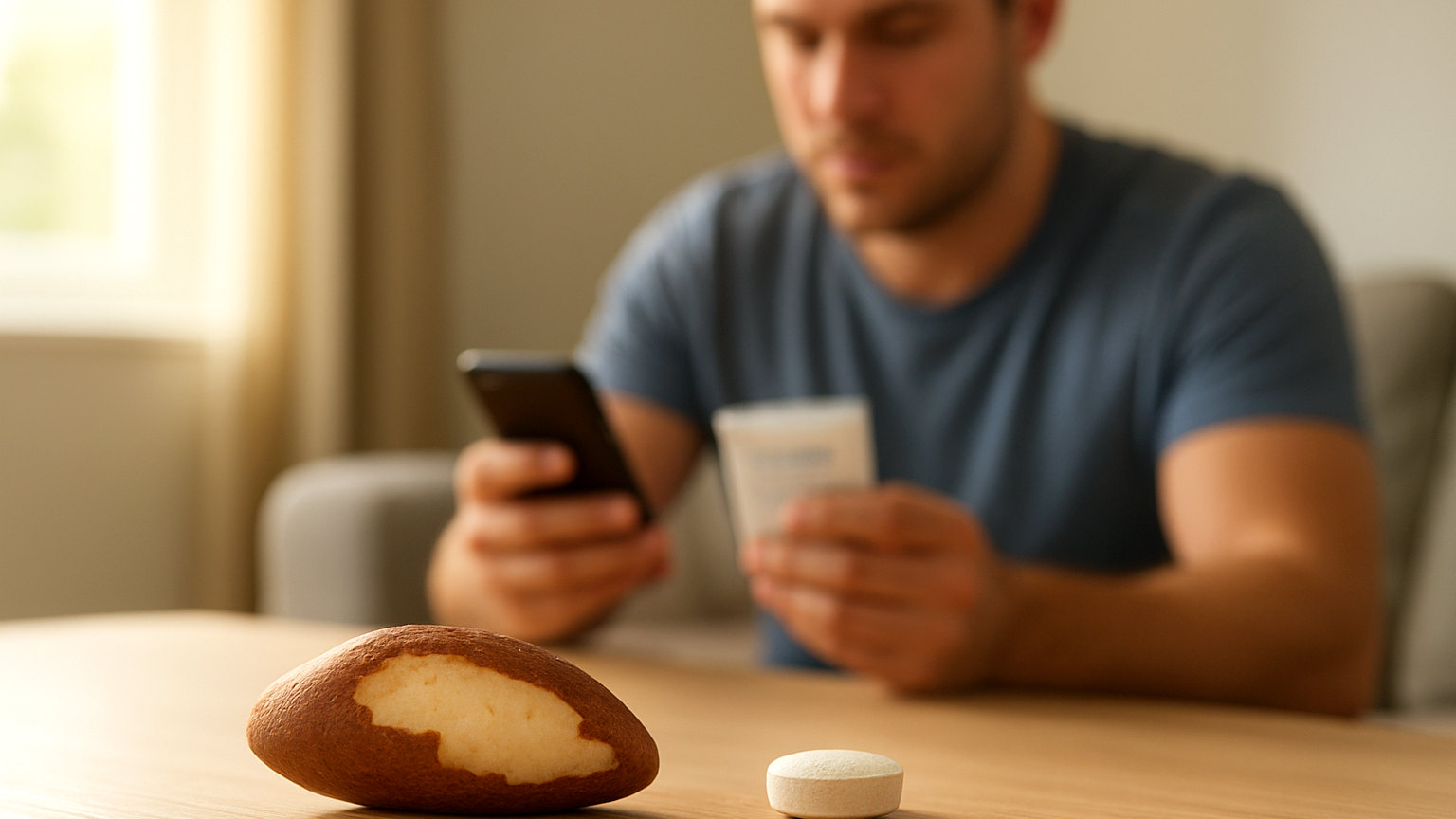
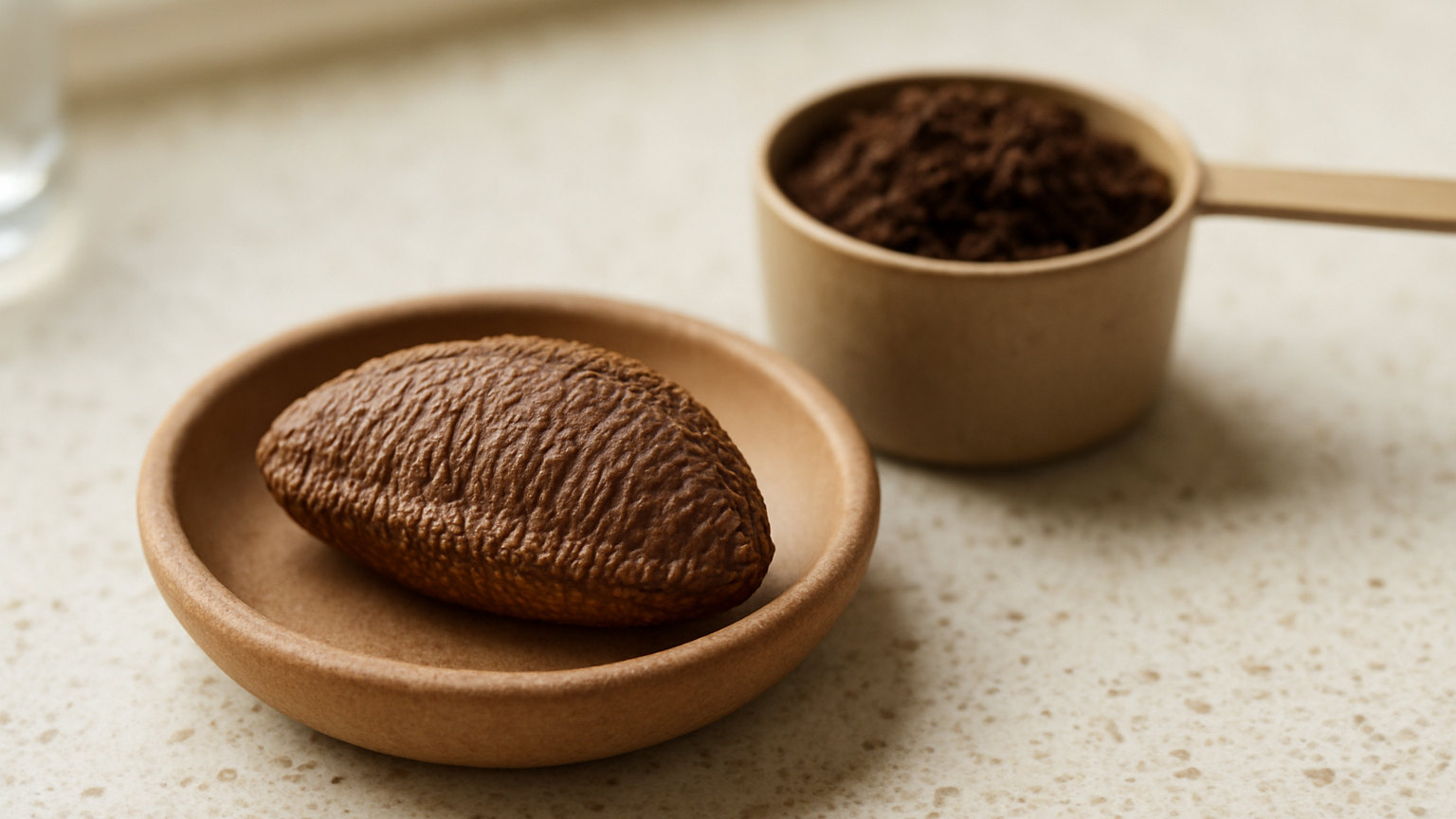
Brazil nuts dwarf everything else, followed by fish, offal, meat and eggs. Plant food content depends entirely on the soil where it grew.
Severe deficiency causes heart and joint diseases seen in specific low soil regions. Milder shortfall, which is more relevant in Britain, produces nothing you would notice.
Cats claw is an Amazonian vine taken for arthritis and immune support. Two different chemical types exist, and the plant name is shared with others.
Yes, and the margin is narrower than for most nutrients. Chronic excess causes hair loss, nail changes and a distinctive garlic breath, and trials have linked it to diabetes risk.