Do BCAAs Help With Recovery Between Sessions?
Recovery depends on total protein, energy, sleep and training structure. BCAAs address a small part of one of those and only when protein is inadequate.
The clearest example of a supplement outliving its evidence - why adequate total protein makes them redundant.
Recovery depends on total protein, energy, sleep and training structure. BCAAs address a small part of one of those and only when protein is inadequate.
They are generally well tolerated at typical doses. The questions worth knowing about involve blood sugar research and a few specific medical situations.
They contain real amino acids at real doses, and those amino acids are usually redundant. The honest framing is a pleasant training drink with limited nutritional value.
The timing question matters far less than whether you need them at all. If protein intake is adequate, no timing makes a redundant supplement useful.
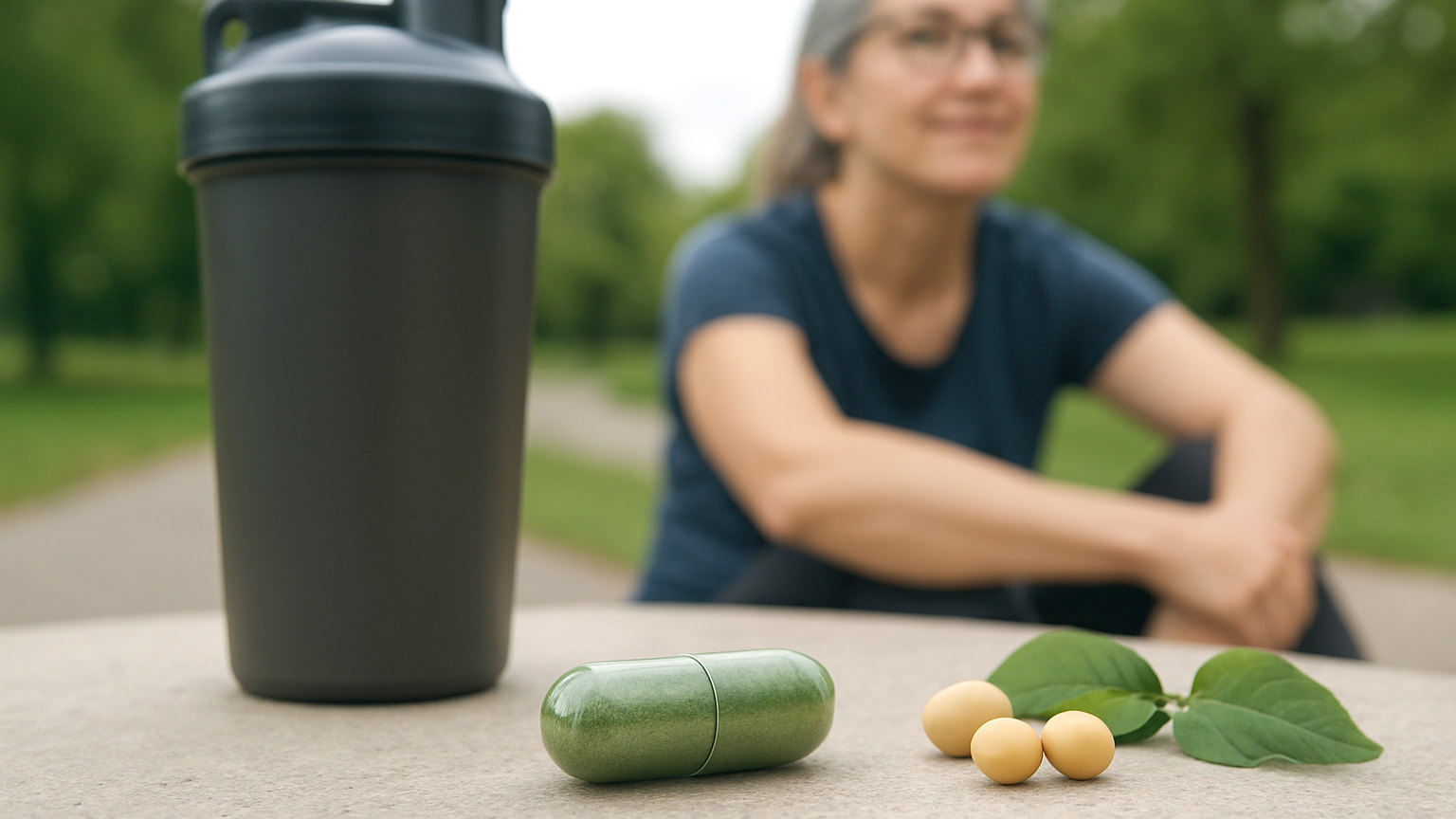
Plant proteins contain somewhat less leucine, which is the strongest case for BCAAs. Simply eating more plant protein or choosing soy addresses it more cheaply.
The central fatigue hypothesis is elegant and has produced inconsistent results. Carbohydrate has far better evidence for the same purpose.
Total protein intake is what preserves muscle in a deficit, and BCAAs contribute nothing beyond what adequate protein already provides.
Maca root is taken for libido, energy and menopausal symptoms. Small trials suggest an effect on desire without any change in hormones.
Yes, meaningfully. EAAs contain all nine essential amino acids rather than three, which is what muscle protein synthesis actually requires.
The 2 to 1 to 1 ratio matches muscle composition and is the one used in research. Higher leucine ratios are a marketing device with no supporting evidence.
They are marketed to prevent muscle breakdown during fasted sessions, and the underlying concern is largely overstated. If you want protection, complete protein serves better.
Some studies report a modest reduction, mostly in untrained people doing unfamiliar exercise. The effect is small and the study quality is generally poor.