How Do You Choose an Ashwagandha Supplement?
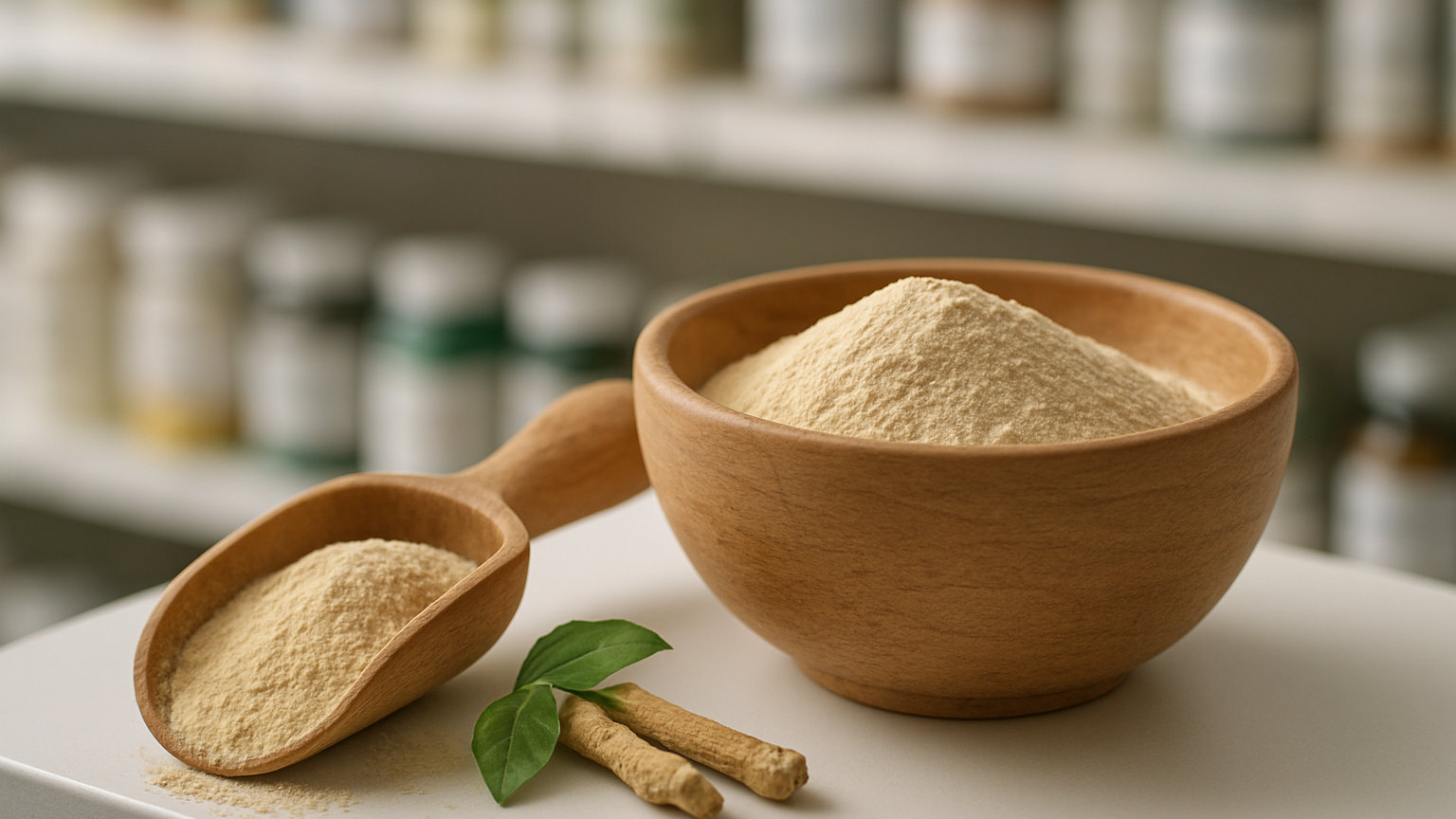
Check for a standardised extract with a stated withanolide percentage, root or leaf composition, and third party testing given contamination reports.
Small trials with real effects on stress measures, alongside liver-injury reports and no long-term safety data.
Check for a standardised extract with a stated withanolide percentage, root or leaf composition, and third party testing given contamination reports.
A small number of trials report improvements in memory and executive function. The studies are small, short and considerably weaker than the stress research.
No evidence establishes a need to cycle, and the absence of long term trials is a reasonable argument for periodic breaks rather than indefinite use.
Trials ran for eight to twelve weeks, with 60 days a common protocol. Some people notice sedation within days, which is not the same as the studied effect.
More groups than for most supplements, including anyone pregnant, taking thyroid medication, on sedatives or with autoimmune or liver conditions.
It raises thyroid hormone levels in animal and some human studies, which is a specific concern for anyone with a thyroid condition.
Holy basil, or tulsi, is taken for stress and blood sugar. The trials are small, and it has antiplatelet effects worth knowing about.
Case reports of liver injury have accumulated internationally, and one European country restricted its sale partly on this basis.
Two branded ashwagandha extracts differing in plant part, withanolide content and effect profile. Most published trials used one or the other.
Most trials used 300 to 600mg of standardised extract daily. The withanolide percentage matters more than the milligram figure on the front.
A few small trials alongside resistance training reported greater strength and size gains. The studies are small and replication is limited.
Some small trials report increases in men, particularly those who were stressed, overweight or subfertile. The findings are preliminary and often overstated.