Do You Need a Greens Powder If You Eat Vegetables?
No. If you are eating vegetables regularly, a greens powder adds a small amount of dried plant material and some vitamins you already have.
Expensive, pleasant, and not a substitute for vegetables - what is really in the proprietary blend, and at what dose.
No. If you are eating vegetables regularly, a greens powder adds a small amount of dried plant material and some vitamins you already have.
Disclosed amounts, a short ingredient list, third party testing, and clarity about whether the vitamins come from plants or from fortification.
Generally not advised, because of untested herbal ingredients, variable iodine, contamination risk and vitamin A in some formulations.
They commonly cause bloating rather than relieving it, usually because of added inulin and other fermentable fibres.
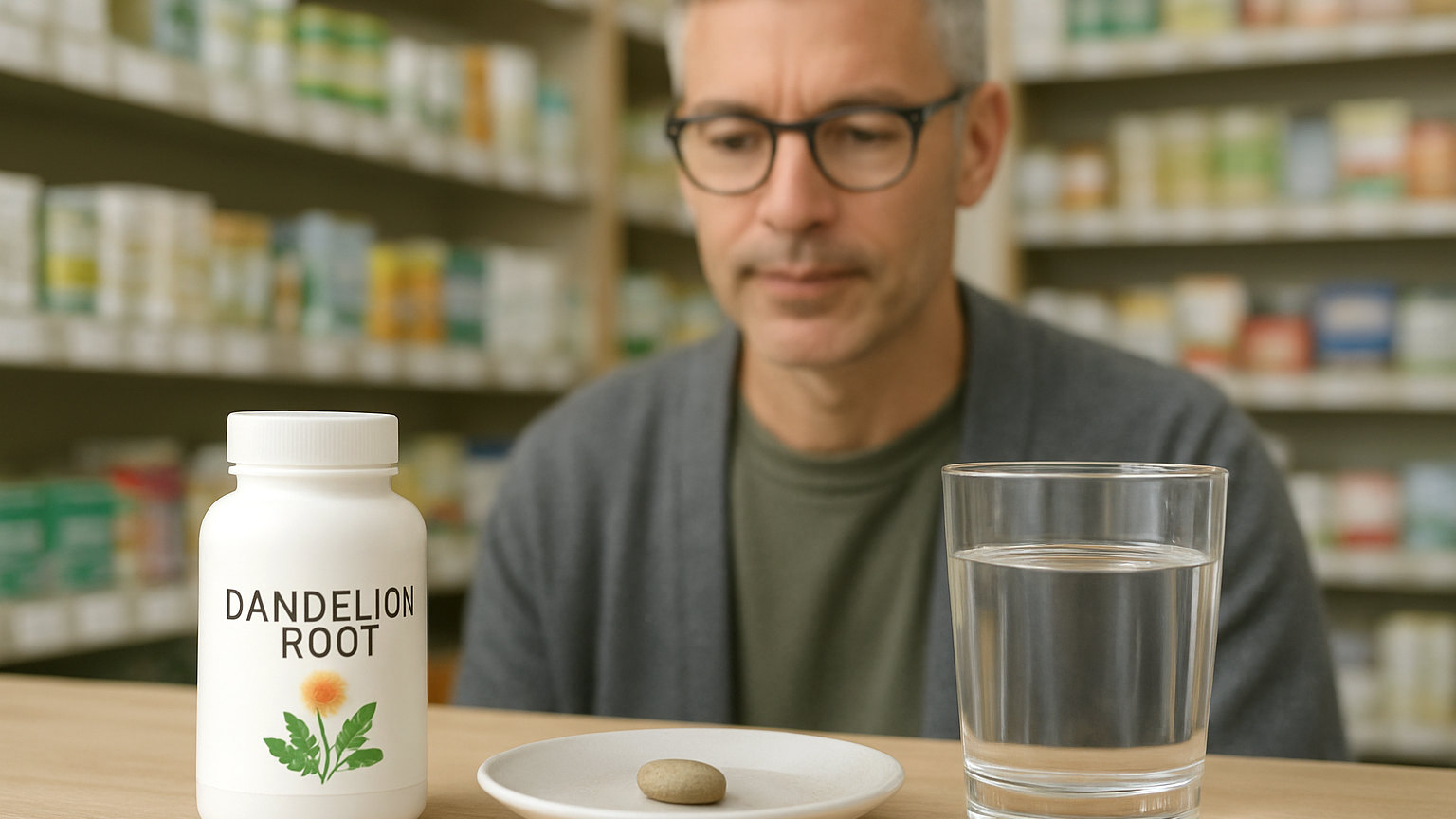
Dandelion root is taken as a detox and liver herb. It does stimulate bile and act as a diuretic, neither of which is what detox implies.
Moringa leaf powder is sold on dramatic nutrient comparisons. Most of them compare dried leaf against fresh foods, which is not a fair comparison.
Yes, and the vitamin K content is the most important. Anyone on warfarin needs to know, since green leafy powders can be very high in it.
Independent testing has found detectable lead and cadmium in many products. Plants concentrate what is in the soil, and drying concentrates it further.
Both have more research than most greens ingredients, mostly small studies on blood lipids. Both also carry specific contamination considerations.
Any noticeable effect usually comes from added caffeine or from B vitamins that permit an energy claim without producing an energy effect.
Because a ten gram serving divided across fifty ingredients leaves almost nothing of each. Proprietary blends conceal exactly how little.
Very little on the products themselves. Most claims extrapolate from research on vegetables or on individual ingredients at doses the powder does not contain.