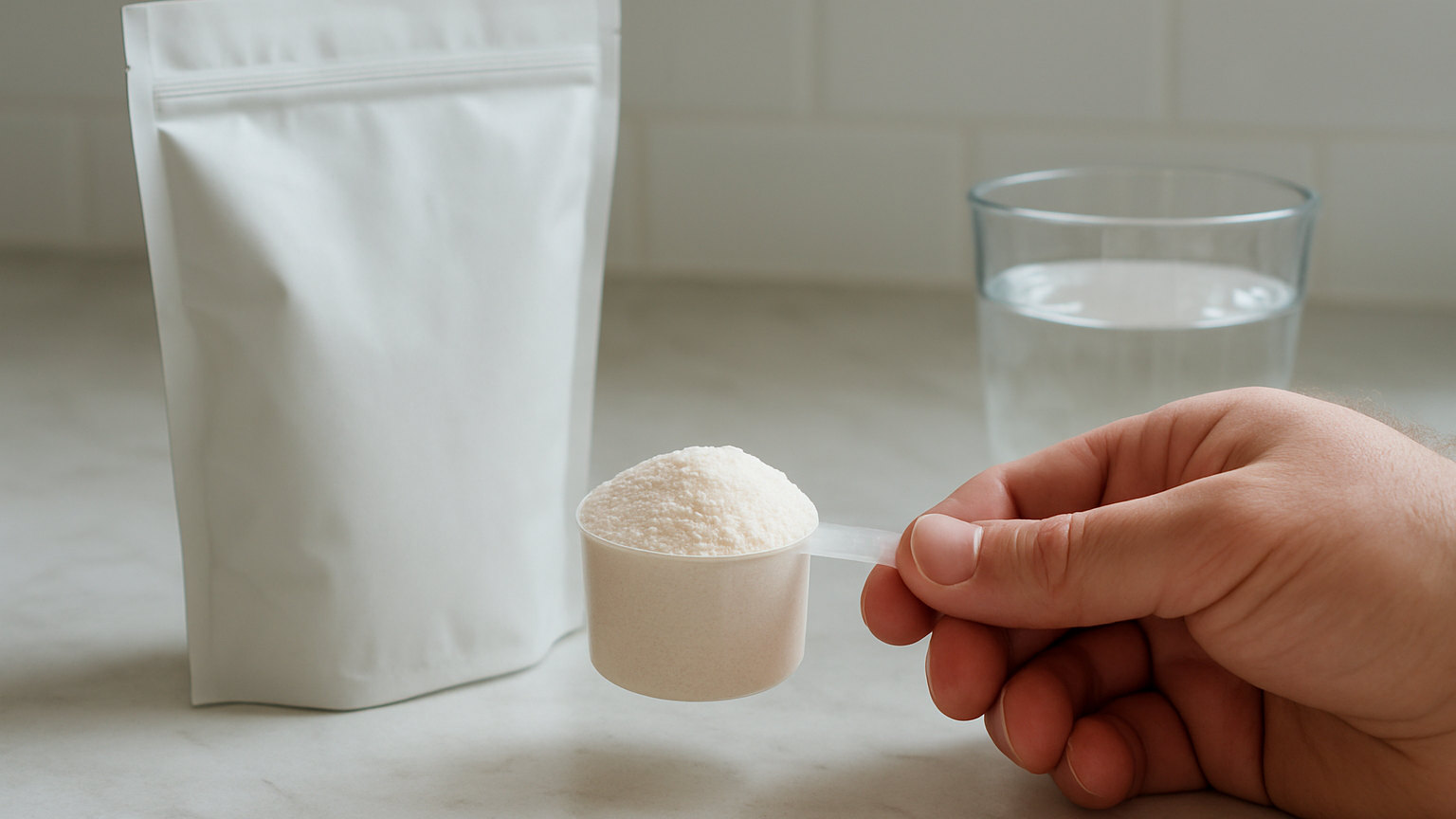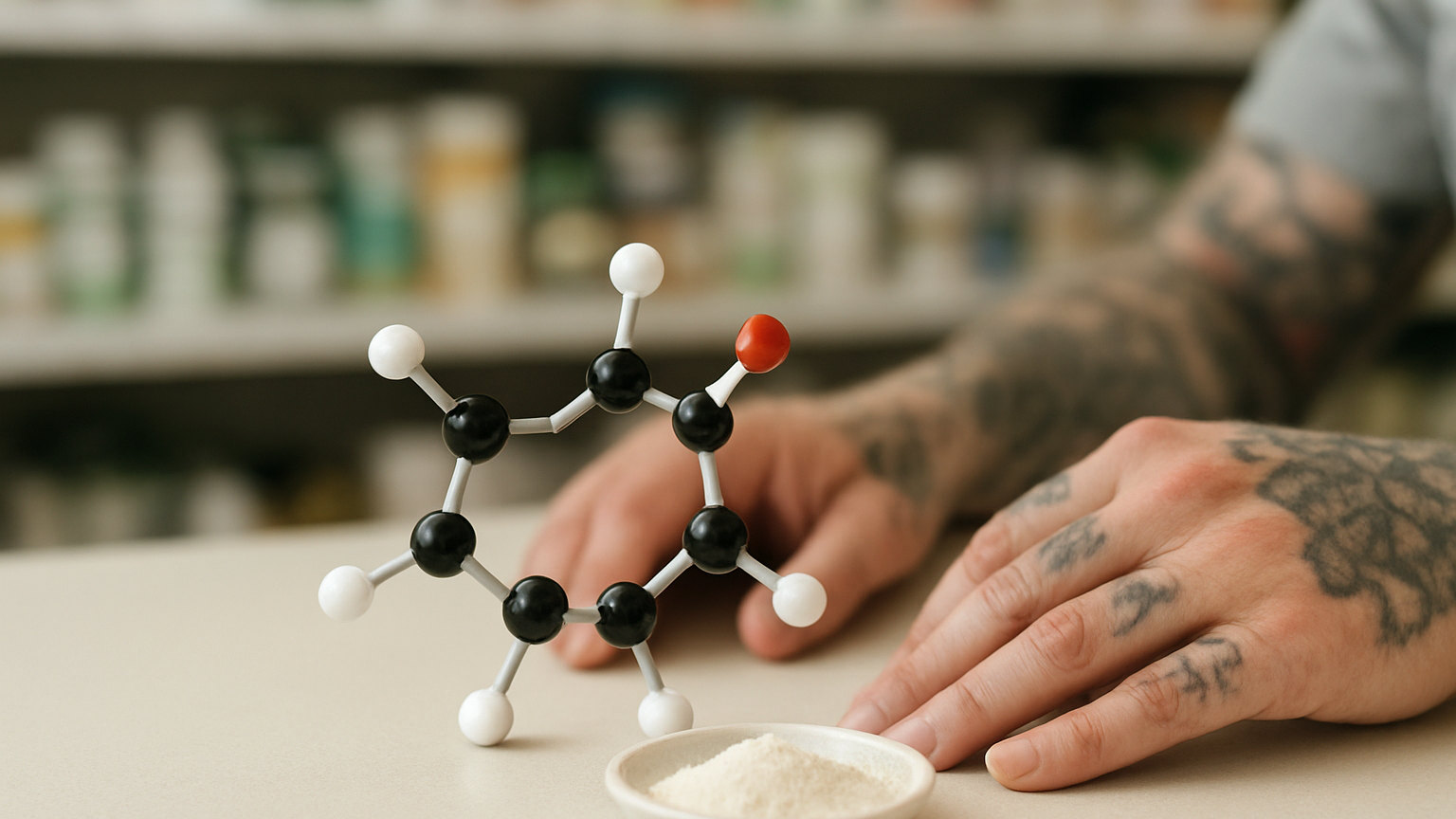
BCAA timing generates a lot of discussion, most of which is secondary to a more basic question. If your protein intake is adequate, the timing of a redundant supplement does not become important.
What are the usual recommendations?
Before training, during training, after training, and between meals are all promoted, sometimes by the same product.
The during-training suggestion is the most common, usually framed around preventing breakdown and providing amino acids while you work.
Does timing have evidence behind it?
Very little specific to BCAAs. The broader protein timing research suggests total daily intake dominates, with distribution across meals mattering somewhat and precise timing around training mattering least.
That hierarchy applies to BCAAs as much as to protein, and BCAAs are a subset of protein rather than a distinct category.
What about during training?
Amino acids consumed during exercise do raise blood levels, and the practical significance for a session lasting an hour is minimal.
A pre-training meal already leaves amino acids elevated in the blood during and after the session, which reduces any urgency.
For sessions lasting several hours, providing amino acids has more rationale, and complete protein or EAAs would serve better than BCAAs.
Does spreading them through the day help?
Distributing protein across meals does appear to stimulate synthesis more effectively than concentrating it, and each protein meal already contains BCAAs.
Adding a BCAA supplement between protein meals raises leucine without the other essentials, producing a signal without materials.
Is there any timing that makes sense?
- Alongside a low protein meal, to raise leucine towards the threshold
- During very long training sessions, though EAAs or protein serve better
- Where protein cannot be consumed for digestive reasons
- As a flavoured drink to encourage fluid intake, which is a hydration benefit
What matters more?
Total daily protein at around 1.6 grams per kilogram for muscle purposes, spread across three or four meals, each containing enough leucine to trigger the response.
Getting that right makes the BCAA timing question largely irrelevant.
What if you enjoy the drink?
That is a legitimate reason to use one. A flavoured drink during training encourages fluid intake and provides a routine some people find helpful.
Framing it that way is more honest than attributing performance effects to it, and it also makes it easier to notice that squash would do the same job.
What is the summary?
Timing is a minor question sitting on top of a larger one. Sort out total protein intake first, at which point the timing of BCAAs stops mattering.
This article is general information and not medical advice.
Does the pre-training meal matter?
More than the supplement. A protein containing meal one to two hours before training leaves amino acids elevated throughout the session and afterwards.
That covers the situation BCAA timing is supposed to address, without requiring a separate product.
What is the honest framing?
Timing questions about a supplement you may not need are a distraction from the question of whether to take it at all.
What is the summary?
Timing barely matters for a supplement that is mostly redundant. Total daily protein spread across meals is the variable worth attending to.
Is there a simple rule?
If you are asking when to take BCAAs, the more useful question is whether your daily protein reaches 1.6 grams per kilogram.
Answering that second question usually removes the need to answer the first.
What about between meals?
Taking BCAAs between protein meals raises leucine without the other essentials, which is the same limitation in a different context.
A protein containing snack achieves more for similar cost.
What is the practical answer?
Take them whenever suits you, if you take them at all, and put the effort into hitting your daily protein target instead.
Attaching protein to meals you already eat is simpler than building a supplement schedule around training, and it produces better results.
Three or four protein containing meals across the day covers everything the research on distribution supports.