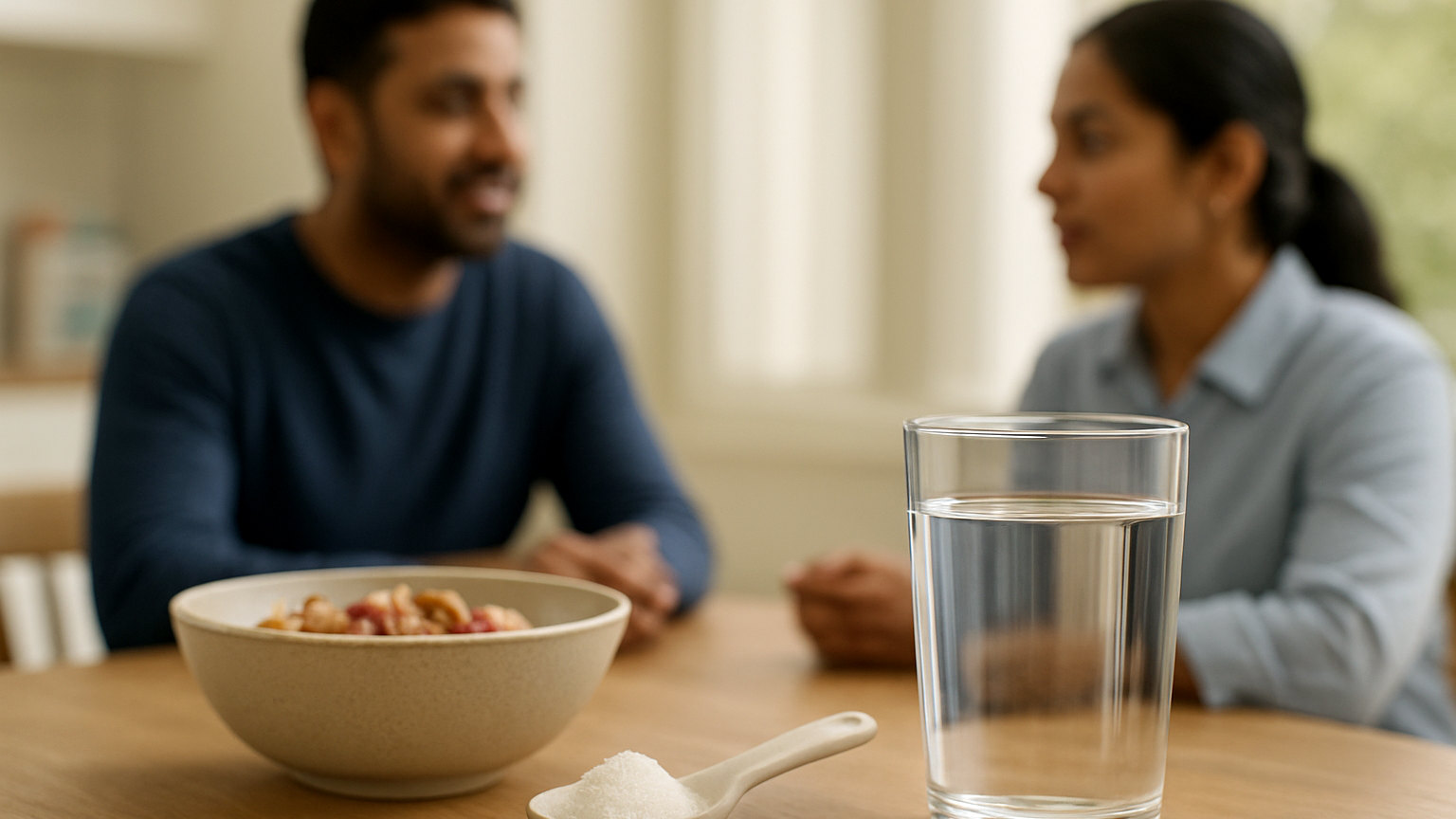
Electrolyte drinks are heavily marketed for hangovers on the reasoning that alcohol dehydrates you. That is true as far as it goes, and dehydration is only one contributor among several to how a hangover feels.
Why does alcohol dehydrate you?
Alcohol suppresses vasopressin, the hormone that tells the kidneys to retain water. Without it, the kidneys excrete more fluid than the alcohol supplied.
The result is net fluid loss, along with sodium and potassium lost in the extra urine. This is the basis of the electrolyte claim, and it is genuine as far as it goes.
What else causes hangover symptoms?
- Acetaldehyde, a toxic breakdown product of alcohol
- Inflammation, with raised inflammatory markers linked to symptom severity
- Disrupted sleep, since alcohol suppresses REM sleep and fragments the night
- Congeners, compounds in darker drinks associated with worse hangovers
- Low blood sugar, since alcohol impairs glucose production
- Stomach irritation from alcohol directly
Rehydration addresses one item on that list, which is why drinking water helps somewhat and does not produce the transformation people hope for.
Do electrolyte drinks beat water?
Marginally, in that sodium aids fluid retention, so a sodium containing drink rehydrates somewhat more efficiently than plain water.
The difference is modest, and a meal containing salt achieves much the same thing. There is no good trial evidence that electrolyte products meaningfully reduce hangover severity compared with water and food.
What about oral rehydration salts?
These are formulated for rehydration during diarrhoeal illness and are more concentrated in sodium than sports drinks.
They will rehydrate you effectively and taste unpleasant, and they still only address the dehydration component. Some people find them helpful for that reason alone.
What actually helps a hangover?
Time, principally. Symptoms resolve as acetaldehyde clears and sleep debt is repaid.
Rehydration helps, eating helps, and simple painkillers can help with headache, though paracetamol should be used cautiously after heavy drinking because of liver considerations and anti-inflammatories can irritate an already irritated stomach.
Sleep is probably the most useful intervention available and the least convenient.
What does not work?
Drinking more alcohol, which delays rather than prevents the hangover. Coffee, which may worsen dehydration slightly, though the effect is small.
Most commercial hangover products have little or no supporting evidence, and reviews of hangover remedies have generally found insufficient evidence for any of them.
What reduces it beforehand?
Drinking less, which is the only reliably effective approach. Eating before and during drinking slows absorption. Alternating alcoholic drinks with water reduces total intake and helps with fluid balance.
Lighter coloured drinks contain fewer congeners and have been associated with milder hangovers in some studies.
UK guidance suggests no more than 14 units a week spread over several days. This article is general information and not medical advice.
Does the type of drink matter?
Darker drinks including whisky, brandy and red wine contain more congeners, compounds produced during fermentation and ageing, and have been associated with worse hangovers in comparison studies.
Clear spirits such as vodka and gin contain fewer. The total amount of alcohol still matters more than the type.
Why does sleep matter so much?
Alcohol suppresses REM sleep and fragments the second half of the night, so even a full night in bed produces poor quality sleep.
Much of what feels like a hangover overlaps with the effects of a badly disrupted night, which is why sleep is often the most effective remedy available.
Do hangovers get worse with age?
Many people report so, and the evidence is mixed. Changes in body composition, liver enzyme activity, medication use and sleep quality may all contribute.
Reduced tolerance for disrupted sleep is probably a substantial part of it, whatever else is going on.
What is the summary?
Electrolyte drinks address one contributor to a hangover among several, so they help a little and cure nothing. Water and a meal achieve much the same at lower cost.
Drinking less remains the only reliable prevention, and sleep the most useful treatment.