Iron content and iron availability are two different things, which is why lists of iron rich foods can be misleading. The form matters as much as the quantity, and the best sources by absorbed iron are not always the highest by weight.
Which foods supply the best absorbed iron?
- Liver and other offal, exceptionally rich in well absorbed iron
- Red meat including beef and lamb
- Shellfish, particularly mussels, clams and oysters
- Sardines and other oily fish
- Poultry and pork, containing less than red meat but still well absorbed
These contain haem iron, the form found in animal tissue, which is absorbed at roughly 15 to 35 per cent and is largely unaffected by what else is in the meal.
Liver comes with a caution: it is very high in vitamin A in retinol form, so it should be eaten no more than once a week and avoided entirely in pregnancy.
Which plant foods contain the most?
Lentils, chickpeas, beans, tofu, pumpkin seeds, cashews, dried apricots and fortified breakfast cereals all contain meaningful amounts.
These supply non haem iron, absorbed at roughly 2 to 20 per cent depending heavily on what accompanies the meal. The same portion can deliver very different amounts of usable iron.
Fortified cereals contribute more to UK iron intake than most people realise, since UK flour is fortified with iron by law and breakfast cereals are commonly fortified further.
Does spinach deserve its reputation?
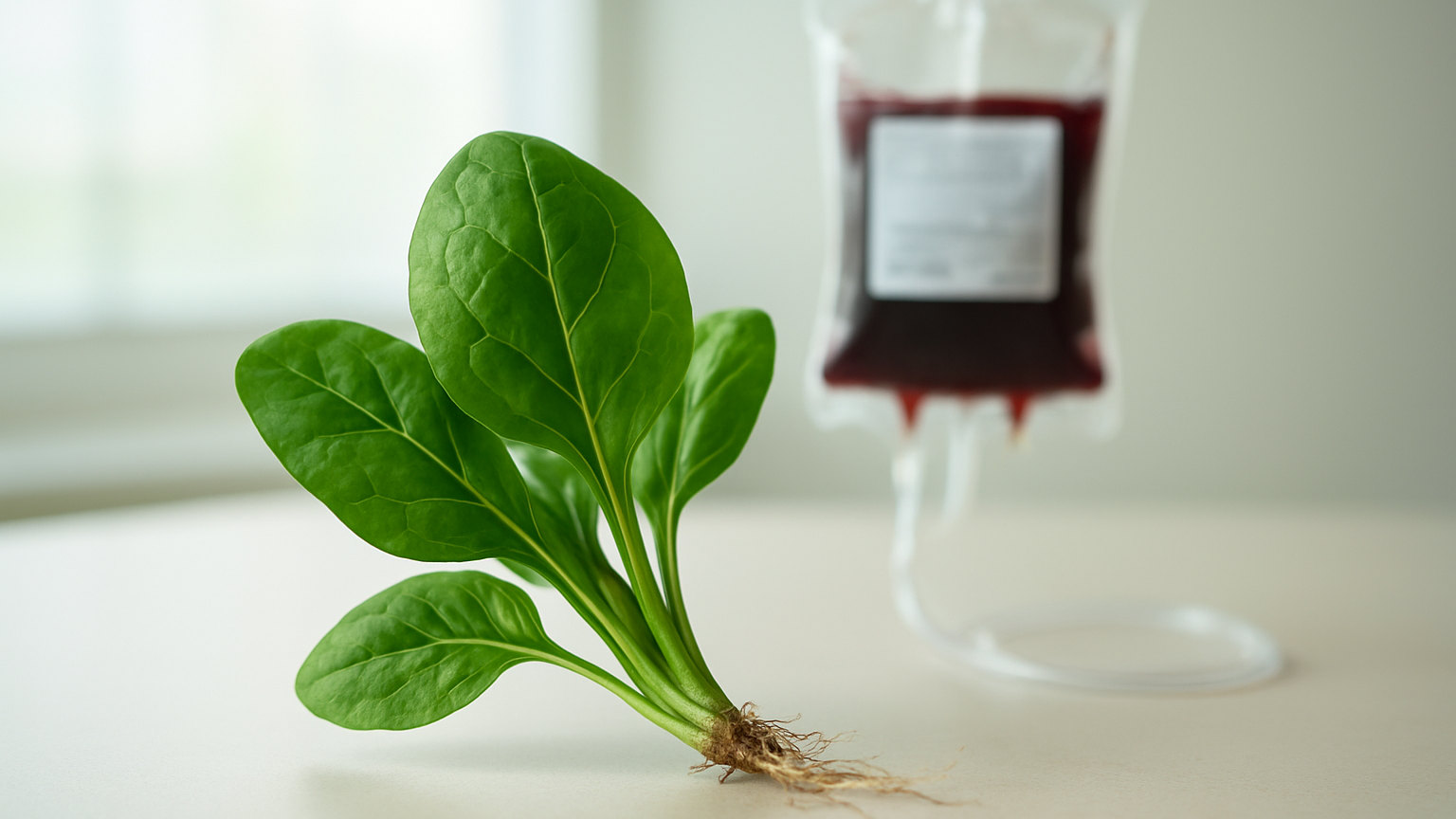
Less than it has. Spinach does contain iron, and it also contains oxalates that bind iron and substantially reduce absorption.
The popular story about a misplaced decimal point inflating spinach iron figures is itself largely a myth, and the underlying point stands: spinach is a mediocre iron source despite its reputation.
Lentils, beans and fortified cereals are considerably more useful plant sources.
How can you get more from plant foods?
Vitamin C is the most effective lever available. Adding a vitamin C source to a meal containing plant iron can increase absorption severalfold by converting the iron to a more absorbable form.
Practical combinations include beans with peppers and tomatoes, lentils with a squeeze of lemon, or fortified cereal with strawberries or orange juice.
Soaking, sprouting and fermenting legumes and grains reduces phytate content, which improves absorption. Cooking in cast iron pans genuinely adds a small amount of iron to food, particularly acidic dishes.
What reduces absorption?
Tea and coffee are the most significant, with tannins substantially reducing non haem iron uptake. A cup of tea with a meal can cut absorption dramatically.
Calcium interferes with both forms of iron, so large dairy servings or calcium supplements alongside an iron rich meal reduce what you get.
Phytates in wholegrains and legumes and polyphenols in some vegetables also inhibit absorption, though these foods remain worth eating.
How much do you need?
The UK reference intake is 14.8 milligrams daily for women aged 19 to 50 and 8.7 milligrams for men and postmenopausal women.
Vegetarians and vegans are often advised to aim higher, since non haem iron is absorbed less efficiently, with some guidance suggesting up to roughly double.
What is the practical approach?
Include some iron rich foods regularly, pair plant sources with vitamin C, and move tea and coffee away from meals by an hour or so.
If you have symptoms of deficiency, get tested rather than trying to eat your way out of it, since diet corrects deficiency slowly at best. This article is general information and not medical advice.
Can you correct deficiency through diet alone?
Rarely, and slowly at best. Once stores are depleted, the amount of iron a normal diet delivers is not enough to rebuild them within a useful timeframe.
Diet is a good way to maintain iron status and a poor way to correct a deficiency. That is what supplements and, where needed, infusions are for.
What about iron in cookware?
Cooking in cast iron genuinely transfers iron into food, particularly with acidic dishes such as tomato sauces cooked for a long time.
The amounts are modest and variable, so it is a useful habit rather than a treatment. The same applies to iron cooking ingots, which have been studied mainly in populations with widespread deficiency.