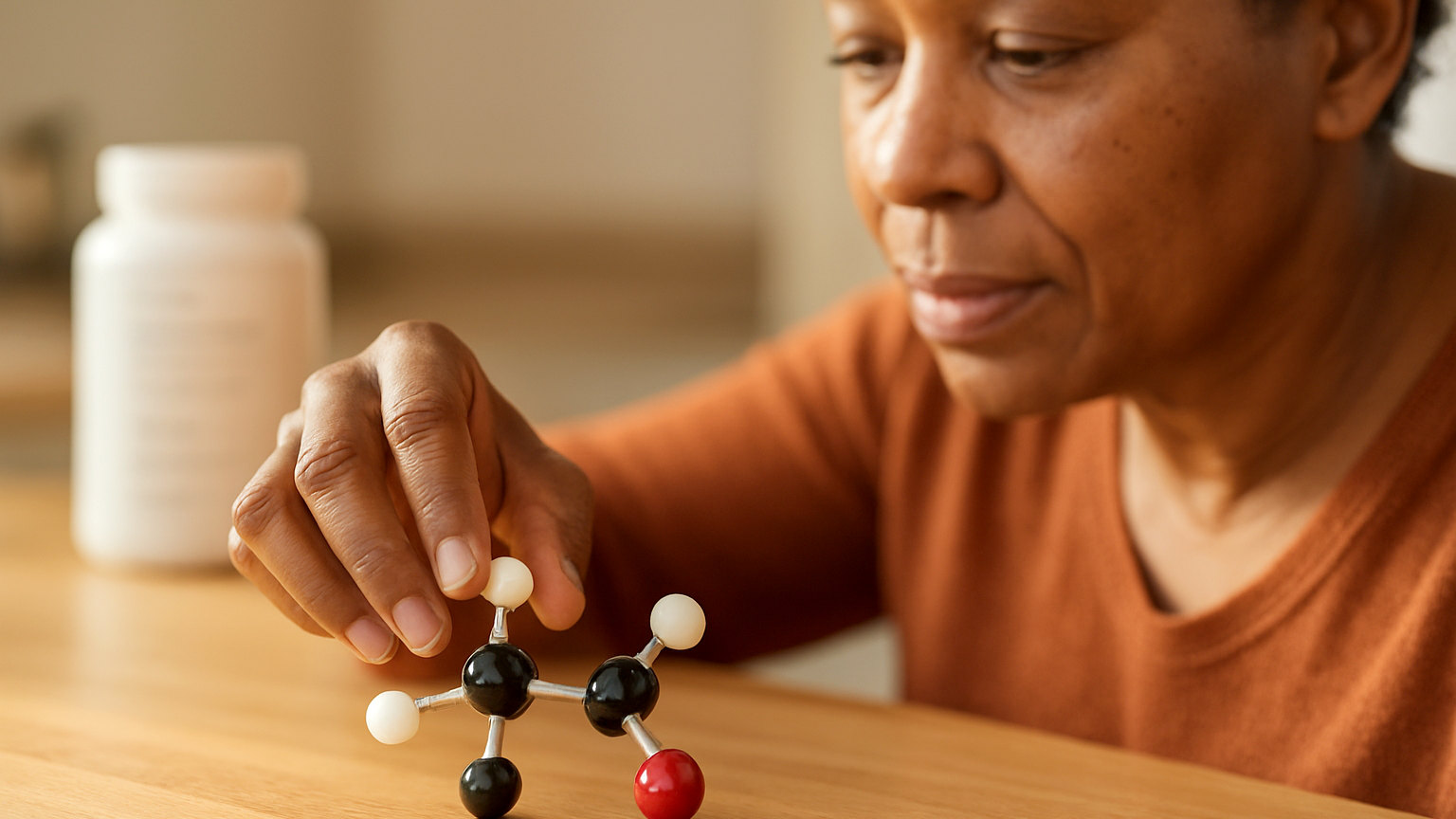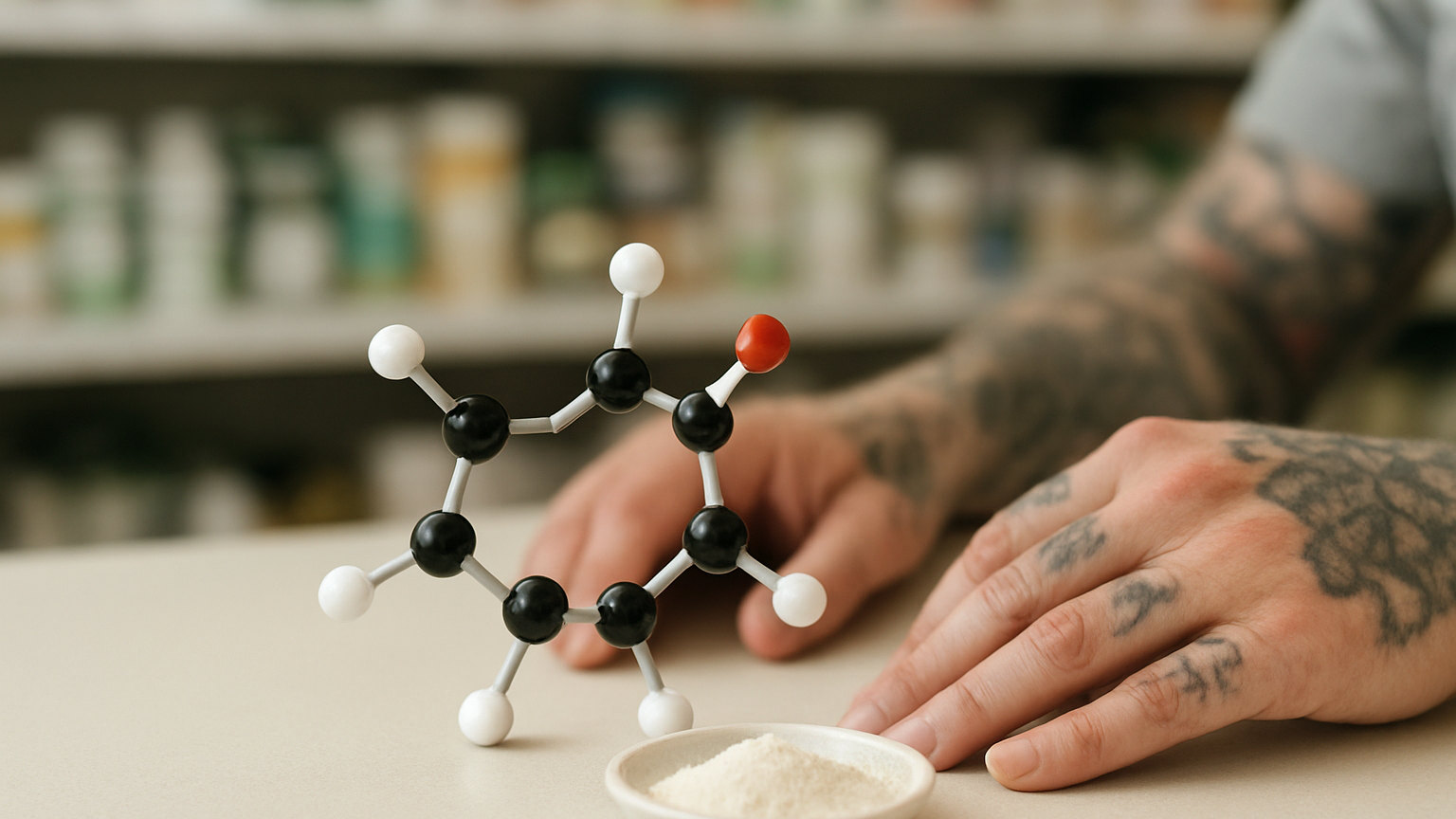
BCAA stands for branched chain amino acids, of which there are three: leucine, isoleucine and valine. They are grouped together because of a shared structural feature and because they are handled differently from other amino acids.
What makes them different?
Two things. Structurally, they have a branched side chain, which is where the name comes from.
More importantly, they are metabolised primarily in skeletal muscle rather than in the liver. Most amino acids pass through the liver first, while BCAAs largely bypass it and reach muscle directly.
This is why they attracted attention as a muscle supplement, since they arrive at the tissue of interest more quickly than other amino acids.
What does each one do?
- Leucine, which triggers muscle protein synthesis through a signalling pathway
- Isoleucine, involved in glucose uptake and energy metabolism
- Valine, contributing to energy production and nitrogen balance
Leucine is the one with the specific signalling role and is present in the largest proportion in most BCAA products for that reason.
How does leucine trigger synthesis?
It activates a pathway involving a protein complex called mTOR, which acts as a nutrient sensor and switches on the machinery for building new muscle protein.
Research suggests a threshold of around two to three grams of leucine is needed to maximally stimulate this response in a single feeding.
Where do they come from in food?
All complete proteins contain them. Whey is around 25 per cent BCAAs by weight, meat and eggs contain substantial amounts, and dairy is rich in leucine.
A 25 gram serving of whey supplies roughly 5 to 6 grams of BCAAs including around 2.5 to 3 grams of leucine, which meets the threshold comfortably.
Why is that significant?
Because it means anyone eating adequate protein is already consuming substantial quantities of BCAAs without any supplement.
A supplement adds to an intake that was already sufficient, which is the central question hanging over the whole category.
Can they build muscle alone?
No, and this is the key limitation. Building muscle protein requires all nine essential amino acids, not three.
Supplying only BCAAs raises the signal without supplying the materials, and research has found the resulting synthesis response is substantially smaller than with a complete protein.
What are they actually used for?
Marketing focuses on muscle preservation, reduced soreness and fasted training support. The evidence for each is weaker than the marketing implies.
What is the summary?
Three amino acids, present abundantly in ordinary protein, with leucine providing a genuine signalling function that requires the other essential amino acids to act on.
This article is general information and not medical advice.
Where did the supplement come from?
BCAAs were used clinically long before they entered sports nutrition, particularly in liver disease where amino acid balance is disturbed and in some metabolic conditions.
Those uses are genuine and distinct from the performance claims that followed, which extended a clinical finding into a very different population.
How much is in a serving?
Typical supplements supply 5 to 7 grams per serving, usually in a 2 to 1 to 1 ratio, giving around 2.5 to 3.5 grams of leucine.
That is comparable to what a serving of whey delivers, which is the comparison worth keeping in mind when assessing value.
Are they essential?
The amino acids are essential in the nutritional sense, meaning the body cannot make them. The supplement is not, since ordinary protein supplies them abundantly.
Confusing those two senses of the word is part of why the category sells as well as it does.
How do they compare with other supplements?
Poorly, in evidence terms. Creatine, caffeine and adequate protein all have stronger support for training outcomes, and all cost less per unit of benefit.
BCAAs occupy an unusual position of being widely sold, biologically real and largely redundant for the people buying them.
How are they made?
Commercial BCAAs are produced either by bacterial fermentation or by extraction and hydrolysis of animal proteins, historically including feathers and hair.
Fermented versions are marketed as vegan suitable. The resulting amino acids are chemically identical whichever route is used.