Beta alanine is one of the better evidenced sports supplements and one of the most specific in what it does. It works through a single mechanism, over a particular timescale, for a narrow range of exercise durations.
How does it work?
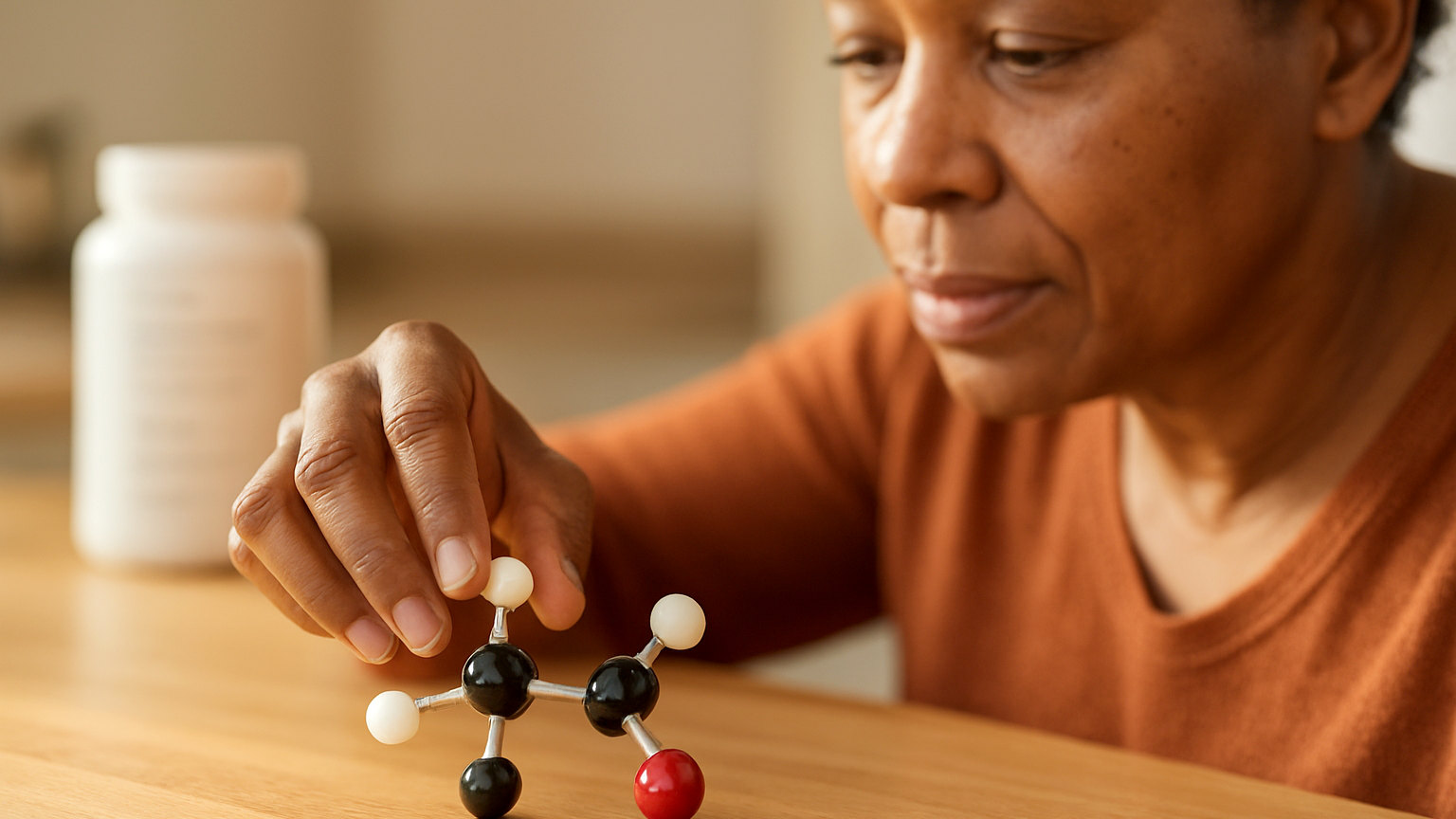
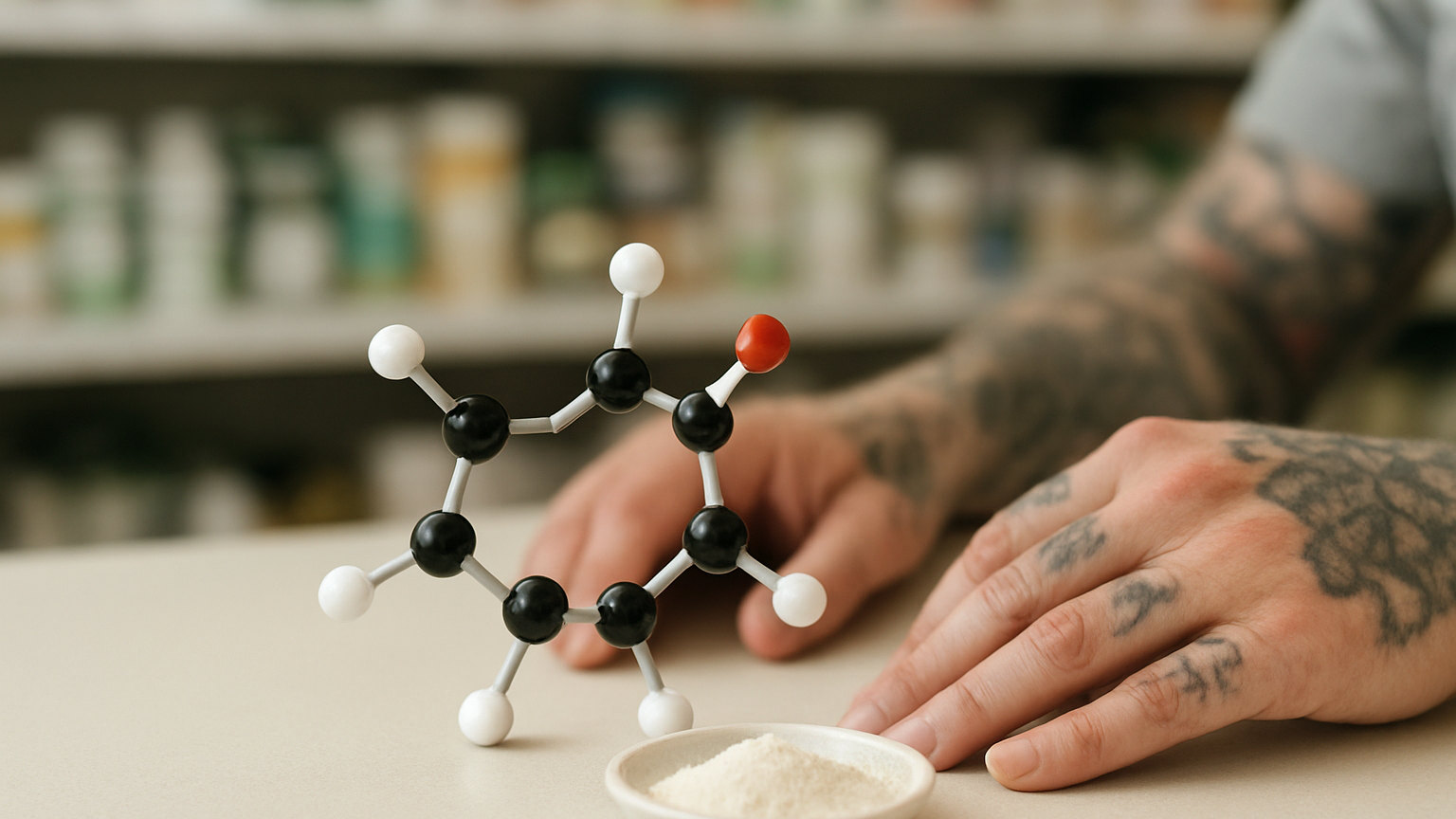
Beta alanine is an amino acid that combines with histidine to form carnosine, which is stored in skeletal muscle.
Carnosine acts as a buffer, mopping up hydrogen ions that accumulate during high intensity exercise. That accumulation contributes to the burning sensation and the drop in force output during hard efforts.
Beta alanine is the rate limiting step, meaning histidine is plentiful and carnosine production is constrained by how much beta alanine is available. Supplementing it therefore raises carnosine directly.
What does carnosine do exactly?
As muscle works hard, glycolysis produces hydrogen ions that lower intracellular pH. That acidity interferes with the enzymes and contractile machinery involved in producing force.
Carnosine binds those hydrogen ions, slowing the fall in pH and allowing the muscle to sustain output for longer before performance declines.
It may also have antioxidant properties and roles in calcium handling, though buffering is the mechanism relevant to performance.
How much does supplementation raise carnosine?
Studies have found increases of around 20 to 40 per cent after four weeks of daily supplementation, rising to 40 to 60 per cent or more after ten weeks.
This is a substantial change, and it takes weeks rather than days because carnosine accumulates gradually rather than responding to individual doses.
What does the performance research show?
A widely cited meta-analysis found beta alanine improved exercise capacity, with the effect concentrated in efforts lasting roughly one to four minutes.
The average improvement was modest, around three per cent, which is meaningful in competition and unlikely to be noticeable to a recreational trainee.
Where does it not help?
- Very short maximal efforts under 60 seconds, where acidity is not yet limiting
- Prolonged endurance beyond about four minutes, where other factors dominate
- Single maximal lifts, which are limited by neuromuscular capacity
- Steady state aerobic exercise
This specificity is what distinguishes it from caffeine, which helps broadly, and creatine, which helps very short efforts.
Is it the same as carnosine?
No, and taking carnosine directly works poorly. Oral carnosine is broken down into its constituent amino acids in the gut and blood by an enzyme called carnosinase.
Supplementing beta alanine bypasses this, allowing muscle to synthesise carnosine locally where the enzyme is absent.
Why does it cause tingling?
Beta alanine activates sensory nerve receptors in the skin, producing paraesthesia. It is harmless, dose related and unrelated to whether the supplement is working.
Splitting doses or using a sustained release form reduces it considerably.
What is the summary?
Beta alanine raises muscle carnosine over weeks, which buffers acidity during efforts lasting one to four minutes. It is specific, modest and reasonably well evidenced.
This article is general information and not medical advice.
How does it compare with other supplements?
It sits alongside creatine and caffeine among the supplements with reasonable evidence, and it is considerably more specific than either.
Caffeine helps almost any hard effort, creatine helps very short maximal ones, and beta alanine helps a defined middle band. Knowing which describes your training determines whether it is worth taking.
Is it worth taking?
For athletes competing in events lasting one to four minutes, yes. For general gym training, the case is weaker and depends on the style of work you do.
It is inexpensive in bulk, which lowers the bar for trying it over a couple of months.
What should you expect?
A modest improvement in your capacity for sustained hard efforts, appearing after about a month, alongside tingling that means nothing.
Set against that, it is cheap, safe and simple to take, which makes the trade reasonable for anyone whose training sits in the right range.
Where does the confusion come from?
Largely from its presence in pre-workout products, which implies an acute effect it does not have. People take it before training, feel the tingle, and assume the two are connected.
Understanding that it works through weeks of accumulation changes how you use it and what you expect from it.