Ginseng is among the oldest and best known herbal supplements, and the name covers several distinct plants with different properties.
Which plants are called ginseng?
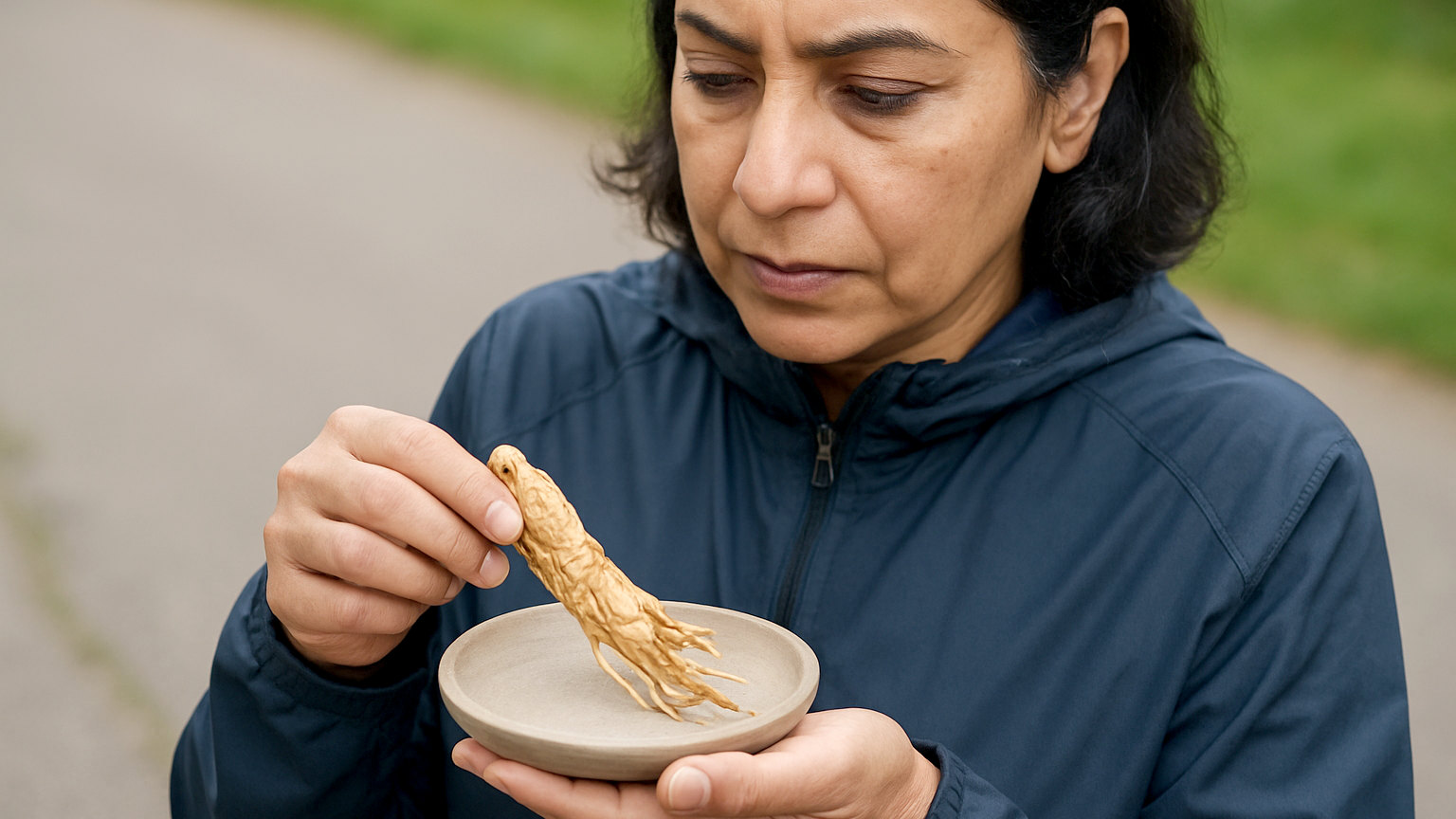
- Panax ginseng, Asian or Korean ginseng, the traditional and most studied form
- Panax quinquefolius, American ginseng, considered milder in traditional use
- Eleutherococcus senticosus, sold as Siberian ginseng, which is not a ginseng at all
Siberian ginseng is a different plant family entirely and contains none of the ginsenosides that define true ginseng.
What do people take it for?
Fatigue and low energy, which is the most common reason.
Mental performance and concentration.
Immune support, exercise performance and erectile function.
What does the research show?
Trials of Panax ginseng for fatigue have reported modest improvements, including in people with chronic illness.
Cognitive findings have been inconsistent, with some short term effects reported.
Small trials in erectile dysfunction have been broadly favourable.
Reviews generally describe the evidence as low to moderate quality throughout.
What are ginsenosides?
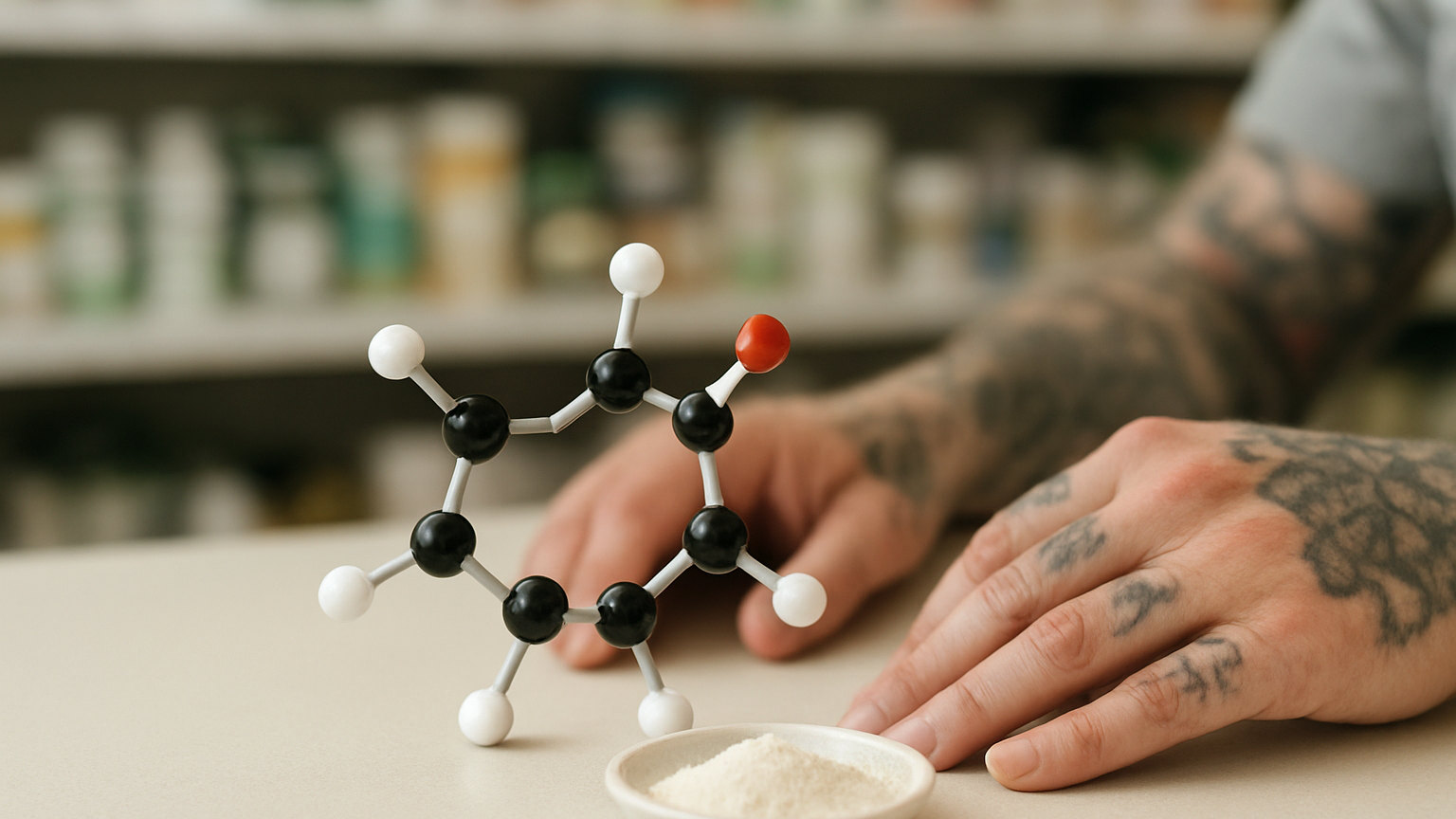
The saponins considered responsible for ginseng activity, with extracts commonly standardised to a percentage of them.
Content varies with the age of the root and how it was processed, which is why red and white ginseng differ.
What are the side effects?
Insomnia is the most commonly reported, which is why ginseng is generally taken in the morning.
Headache, digestive upset and, occasionally, raised blood pressure.
What are the interactions?
Reduced warfarin effect has been reported, which is clinically significant.
Additive effects with diabetes medication, since ginseng may lower blood glucose.
Caution with stimulants and with monoamine oxidase inhibitors.
Should it be cycled?
Traditional use involves courses rather than continuous consumption, and long term safety data is limited.
Taking it for defined periods with breaks is the usual approach.
Who should be careful?
Anyone taking warfarin, diabetes medication or blood pressure treatment.
People with hormone sensitive conditions, given weak oestrogenic activity reported for some preparations.
Pregnant and breastfeeding women.
What should you check on a label?
The botanical name, since ginseng alone does not identify the plant, and the ginsenoside percentage.
Is it worth taking?
For situational fatigue, Panax ginseng has modest supporting evidence and a manageable safety profile for most people.
Persistent fatigue deserves investigation rather than a tonic.
What is the summary?
Ginseng is taken for fatigue and performance, three plants share the name, evidence is modest, and the warfarin interaction matters.
This article is general information and not medical advice.
How long is a course?
Traditional practice and most trials use defined periods of a few weeks to a few months rather than indefinite use.
Long term continuous use has not been well studied.
What does it illustrate?
That a familiar common name can cover unrelated plants, and that the label needs to resolve which one you are buying.
Siberian ginseng is the clearest example of that problem.
Who should be careful?
Anyone on warfarin, since reduced anticoagulant effect has been reported.
People with diabetes, given the glucose lowering effect.
What should you expect?
A modest reduction in fatigue over several weeks, based on the trials, rather than a noticeable lift.
Taking it late in the day is likely to affect sleep.
What about Siberian ginseng?
Eleuthero has its own small literature on fatigue and stress and should not be assessed on ginseng research.
Products using the name Siberian ginseng are borrowing credibility from a different plant.
The botanical name resolves which you are buying.
What should you check on a label?
The botanical name and the ginsenoside percentage, which together identify what you are actually buying.
Red and white ginseng differ in processing and composition.
Both are Panax ginseng.
Ginseng is one of the older herbal supplements and one of the more reasonably evidenced.
That is a relative statement rather than a strong endorsement.
Is it worth cycling?
Traditional practice uses courses rather than continuous consumption, and long term data is limited.
Breaks are a reasonable default.