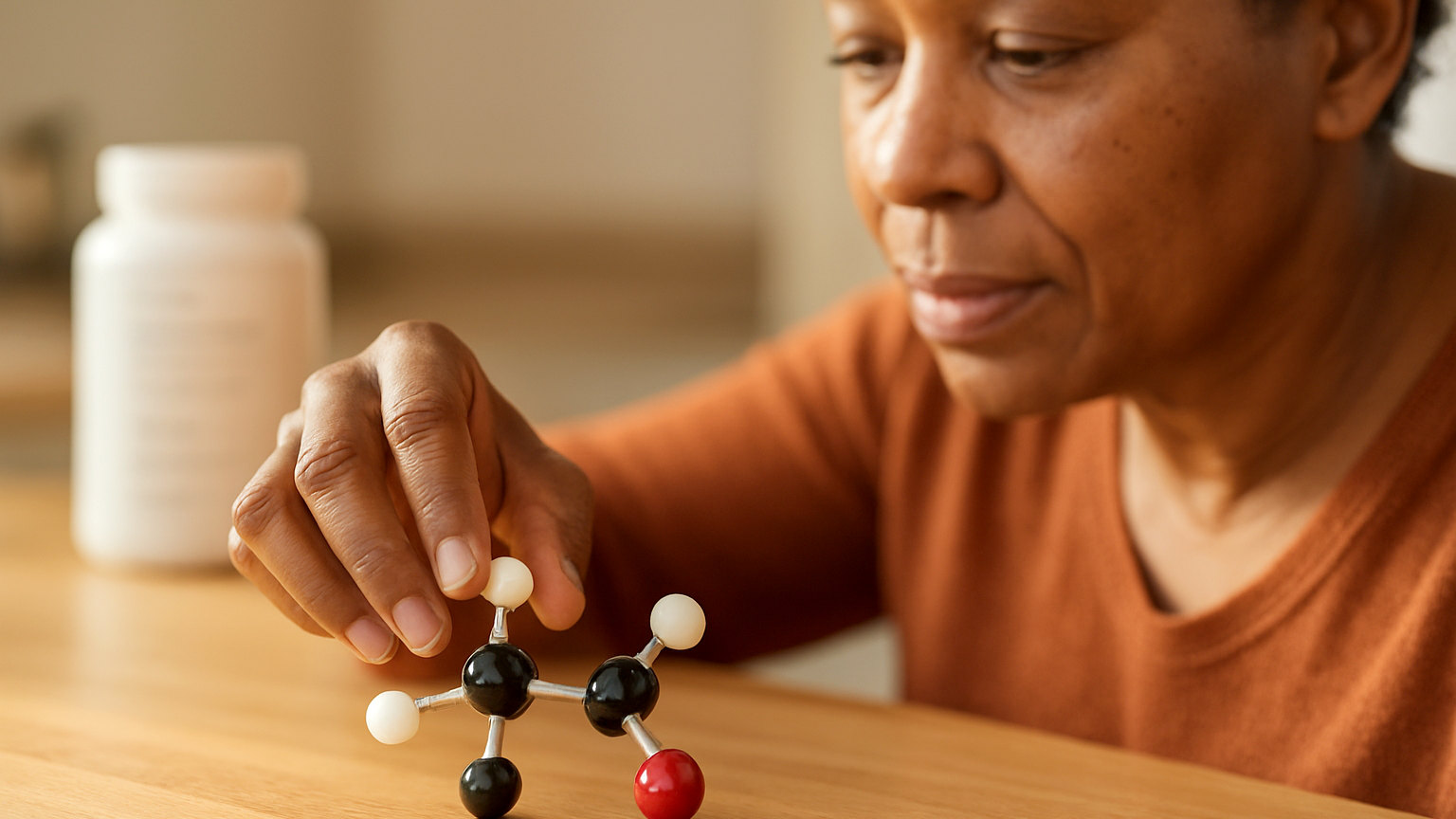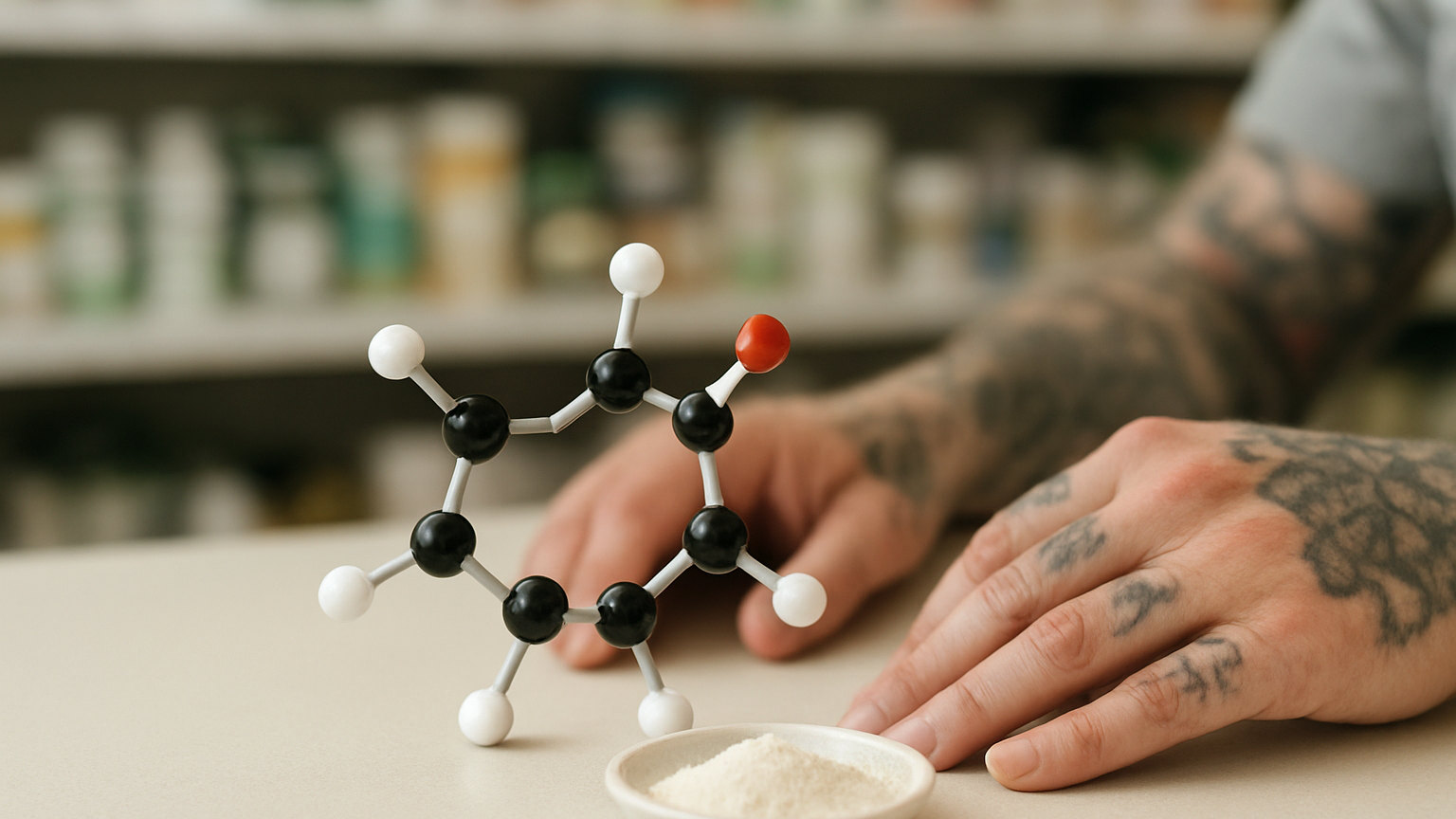
Creatine is unambiguously useful for short, hard efforts and much less so for sustained aerobic work. For endurance athletes the picture depends on what your event actually demands.
Why does it not help steady endurance?
Because the phosphocreatine system supplies energy for roughly the first ten seconds of maximal effort. Beyond that, glycolysis and then aerobic metabolism take over.
An hour of steady running draws almost entirely on aerobic pathways, which creatine does not affect.
Trials of creatine in pure endurance performance have generally found no benefit and occasionally slight impairment.
What is the weight penalty?
The one to two kilograms of water gained is dead weight in any sport where you carry your body.
For a runner, that weight must be lifted and moved with every stride, which costs energy. In cycling it matters mainly on climbs.
The effect is modest and real, and it explains why some endurance athletes avoid creatine deliberately.
Where might it help?
- Repeated high intensity efforts within an event, such as breakaways or hill surges
- Sprint finishes, where the phosphocreatine system does the work
- Interval training sessions, where higher quality work produces better adaptation
- Resistance training performed alongside endurance work
- Team sports with an endurance base and repeated sprints
Many endurance sports are not purely steady state, and creatine may support the intense portions rather than the aerobic base.
Does it help training rather than racing?
This is the more interesting argument. Better quality interval sessions over months could produce greater adaptation, even if creatine offers nothing on race day.
Some athletes take creatine during training blocks focused on intensity and stop before competition to shed the water weight.
What about glycogen storage?
Some research suggests creatine may enhance muscle glycogen storage when combined with carbohydrate loading, which would be relevant for endurance events.
The findings are not consistent, and the practical significance for race performance has not been well demonstrated.
Does it affect heat tolerance?
Older concerns that creatine would worsen dehydration and heat tolerance have not been supported.
Studies examining exercise in heat have generally found no adverse effect, and some have suggested creatine may improve heat tolerance through increased total body water.
What should endurance athletes consider?
Whether their event involves repeated high intensity efforts, whether they do resistance or interval training that would benefit, and whether the weight penalty matters for their discipline.
A cyclist doing hill repeats and gym work has a stronger case than a marathon runner focused on steady mileage.
What is the summary?
Creatine is a poor fit for steady state endurance and a reasonable one for the intense components within endurance sport. The weight gain is the main trade off.
This article is general information and not medical advice.
Should endurance athletes load?
Probably not, since loading produces the fastest weight gain and the weight is the main downside for these athletes.
A standard dose spreads any gain over weeks and allows more time to judge whether the trade off suits your event.
What about triathletes and team sports?
Team sports involving repeated sprints, changes of direction and physical contact are a much better fit than steady endurance, and creatine is widely used in them.
Triathletes fall somewhere between, with the swim and bike less affected by weight than the run.
What is the summary?
Creatine offers little for steady state endurance and something for the intense efforts within endurance sport. The weight gain is the cost to weigh against that.
Athletes doing interval or resistance work alongside their endurance training have the strongest case.
The answer genuinely depends on your event, which is a less satisfying conclusion than a simple yes or no and a more accurate one.
Trying it during a training block rather than in the weeks before a race allows you to judge the benefit without risking the weight gain at the wrong moment.
Discussing it with a coach who knows your event and training pattern is more useful than a general recommendation, since the balance genuinely depends on specifics.