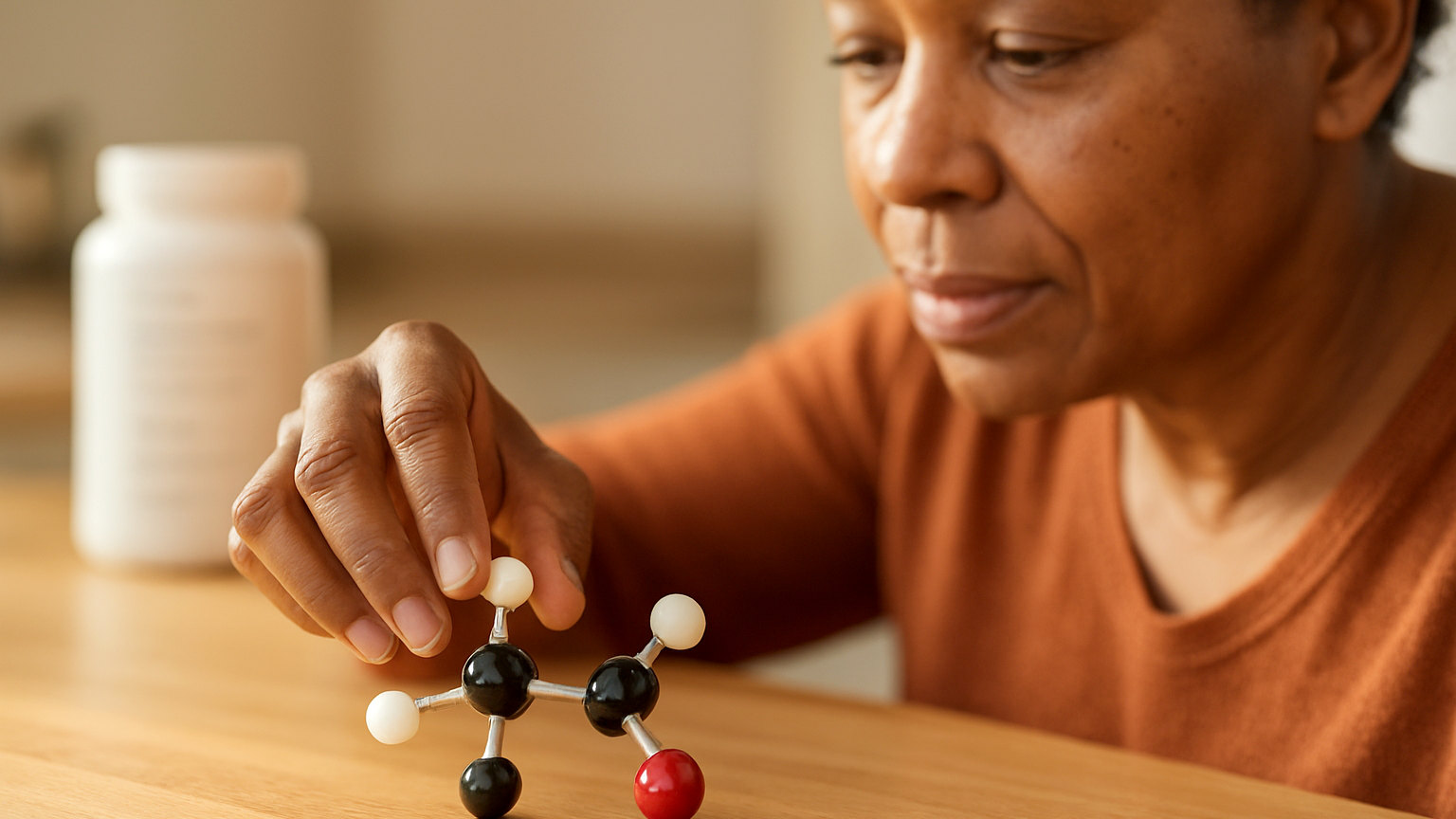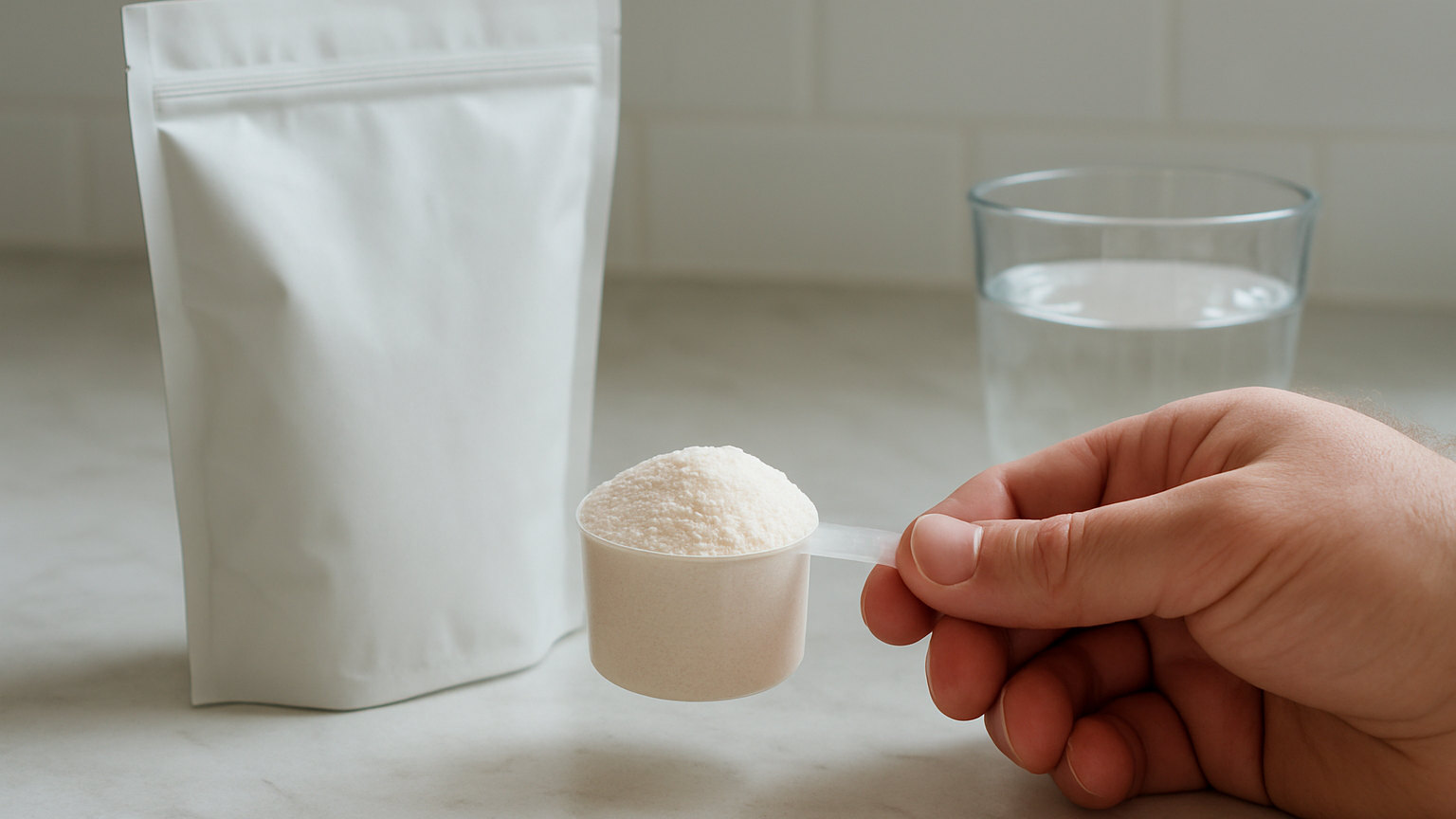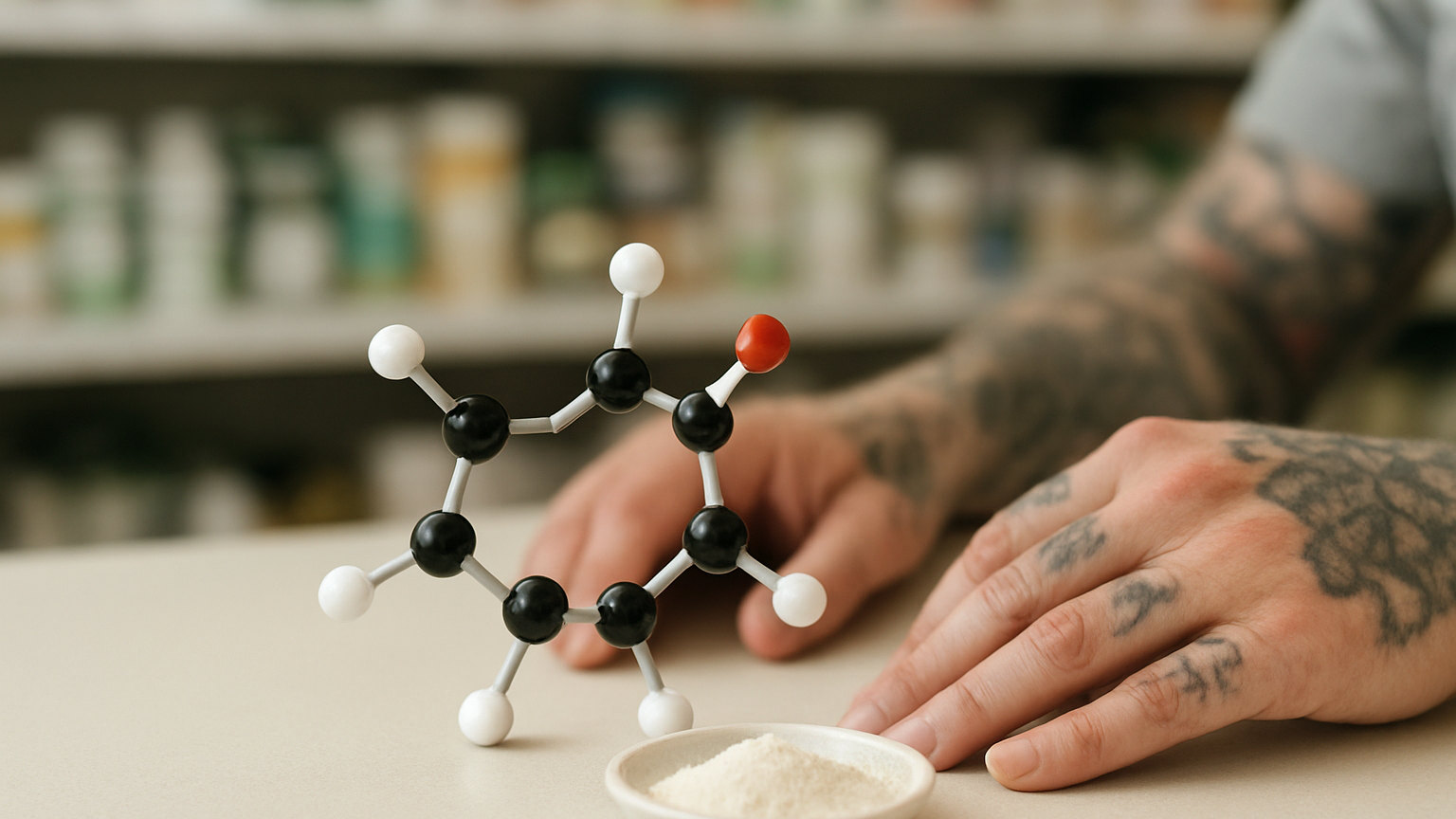
Creatine is among the most studied supplements in existence and one of the few where the mechanism is well understood. It works by extending the duration of a specific energy system used during short, hard efforts.
How does the energy system work?
Muscles run on ATP, and they hold only a few seconds worth at any moment. During intense effort, ATP is broken down to ADP and must be regenerated continuously.
Phosphocreatine stored in muscle donates a phosphate group to ADP, regenerating ATP almost instantly. This is the fastest energy pathway available and it powers the first several seconds of maximal effort.
Phosphocreatine stores are the limiting factor, running down within roughly 10 seconds of all out work. Supplementing creatine increases those stores, extending how long the system can operate.
How much does supplementation change?
Typical muscle creatine content sits around 120 to 140 millimoles per kilogram of dry muscle, with a ceiling around 160.
Supplementation raises stores by roughly 20 to 40 per cent depending on where you started, with the largest increases in people who began lowest.
That translates into a modest but real increase in work capacity: an extra repetition or two per set, or slightly better performance in repeated sprints.
Where does creatine normally come from?
The body makes around one gram a day in the liver, kidneys and pancreas, from the amino acids glycine, arginine and methionine.
Diet supplies roughly one to two grams a day for people eating meat and fish, with red meat and herring among the richer sources.
Vegetarians and vegans obtain essentially none from food, which is why they typically have lower baseline stores and respond more strongly to supplementation.
How does it lead to muscle growth?
Mostly indirectly, through allowing more training volume. Doing slightly more work over months produces a larger training stimulus and therefore more adaptation.
There may be additional direct effects, including increased cell volume acting as a growth signal and effects on satellite cells and gene expression, though these are less well established.
The initial weight gain of one to two kilograms is water drawn into muscle cells rather than muscle tissue.
What does the evidence show?
Creatine has been studied in hundreds of trials and consistently improves performance in short duration high intensity activity, with meta-analyses reporting meaningful increases in strength and lean mass alongside resistance training.
Position stands from sports nutrition bodies describe it as the most effective legal supplement available for increasing high intensity exercise capacity.
What does it not do?
- Improve pure endurance performance meaningfully
- Build muscle without a training stimulus
- Work equally well in everyone, since baseline stores vary
- Burn fat or affect body composition beyond its effect on training
What is the standard dose?
Three to five grams daily of creatine monohydrate, taken consistently. A loading phase of around 20 grams daily for five to seven days saturates stores faster but is not necessary.
Larger individuals with more muscle may benefit from the upper end of that range.
What is the summary?
Creatine extends a specific energy system, allowing modestly more work during hard training. The muscle comes from the training, and creatine makes slightly more of it possible.
This article is general information and not medical advice.
Does it help beyond the gym?
Research has expanded into brain function, where the same energy system operates, with effects appearing clearest under stress such as sleep deprivation and in people with low baseline stores.
Studies in older adults combining creatine with resistance training have also reported improvements in lean mass and strength, which has practical relevance for maintaining independence.
How does it compare with other supplements?
Favourably. Position stands consistently rank creatine monohydrate among the few supplements with strong evidence for performance, alongside caffeine and a small number of others.
It is also among the cheapest, which is an unusual combination in a market where price and evidence rarely correlate.
Creatine remains one of the few supplements where the evidence, the price and the safety record all point the same way, which is worth remembering when comparing it against far more expensive products with far less behind them.