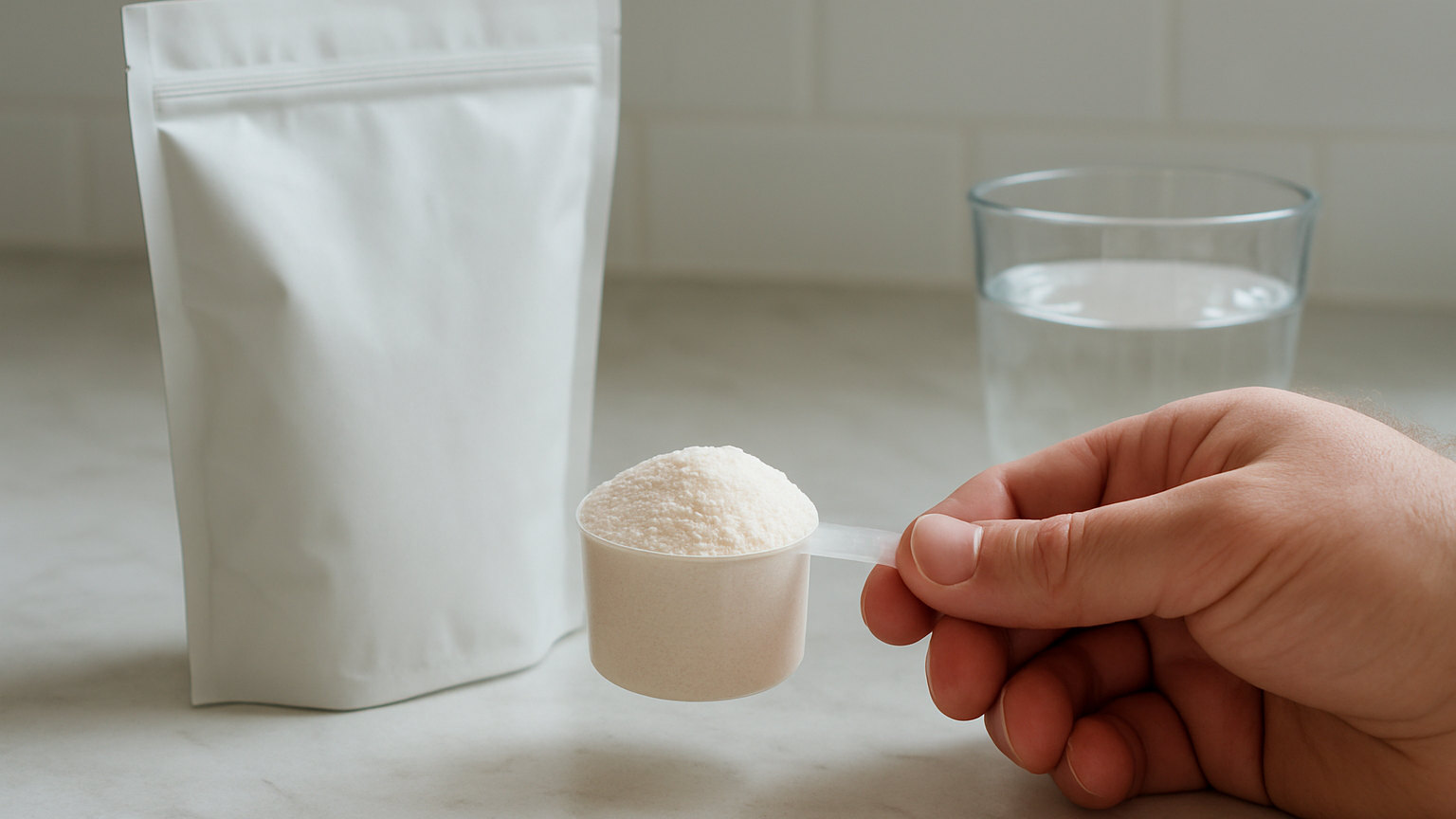
The anabolic window is one of the most repeated ideas in gym culture and one of the most substantially revised by research. It is not a myth, and the narrow version most people believe in has not held up.
What was the original claim?
That there is a limited period after resistance training, often stated as 30 to 60 minutes, during which protein must be consumed to maximise muscle growth.
Miss it, the argument went, and the training session was substantially wasted. This drove the sight of people drinking shakes in changing rooms with some urgency.
What does the research show?
A widely cited review examining protein timing concluded that the window is considerably wider than claimed, likely extending several hours after training.
Muscle remains sensitised to protein for a prolonged period after resistance exercise, with elevated protein synthesis rates measurable for 24 hours or more after a session.
A meta-analysis examining protein timing found that apparent timing effects largely disappeared once total daily protein intake was controlled for.
Why did the effect seem real?
Because studies giving protein after training compared with no protein found benefits, which is unsurprising. The comparison was protein versus nothing rather than protein now versus protein later.
Once studies matched total daily protein and only varied timing, the differences became small or absent.
Does the pre-training meal matter?
Considerably, and this is the part most often overlooked. Amino acids from a meal eaten one to two hours before training remain elevated in the blood during and after the session.
Someone who ate a protein containing meal before training is already supplied, which reduces any urgency about eating immediately afterwards.
If you train fasted, having protein reasonably soon afterwards makes more sense, since there is nothing circulating.
Is there any situation where timing matters more?
- Training fasted, where post-training protein has more to do
- Two training sessions in one day, where recovery time is compressed
- Endurance events where glycogen replenishment is time critical
- Older adults, who may benefit from reaching a protein threshold at each feeding
For a typical person training once a day with reasonable meals around it, timing is a minor consideration.
What about carbohydrate timing?
Carbohydrate timing has clearer relevance for endurance athletes needing to restore glycogen quickly between sessions.
For resistance training with a day between sessions, glycogen replenishment happens comfortably within normal eating patterns.
Why does the belief persist?
Because it is simple, actionable and sells products. A rule that requires buying and consuming something immediately after exercise is commercially useful.
It also provides a sense of control over a process that is otherwise slow and difficult to observe.
What should you actually do?
Eat enough protein daily, spread across meals, with one of those meals reasonably near your training. That captures everything the research supports.
If a post-training shake is convenient, use it. If eating a meal an hour later suits you better, that works equally well.
This article is general information and not medical advice.
Does it apply to endurance training?
Carbohydrate timing matters more for endurance athletes, particularly those training twice a day, since glycogen restoration is time sensitive.
Protein timing follows similar principles to resistance training, with total intake dominating and the window being wider than traditionally claimed.
Has anything survived from the original idea?
The general principle that eating protein around training is sensible, which nobody disputes. What has been revised is the urgency and the narrowness of the window.
Anyone who has been rushing a shake down within minutes can relax without losing anything measurable.
What should you take from this?
That the window is wide enough to accommodate normal eating patterns, and that anxiety about timing is misplaced for almost everyone.
Total daily protein remains the variable worth attending to.
The wider point is that a plausible mechanism repeated often enough becomes accepted, and that checking what the trials actually measured is usually more informative than checking what everyone says.