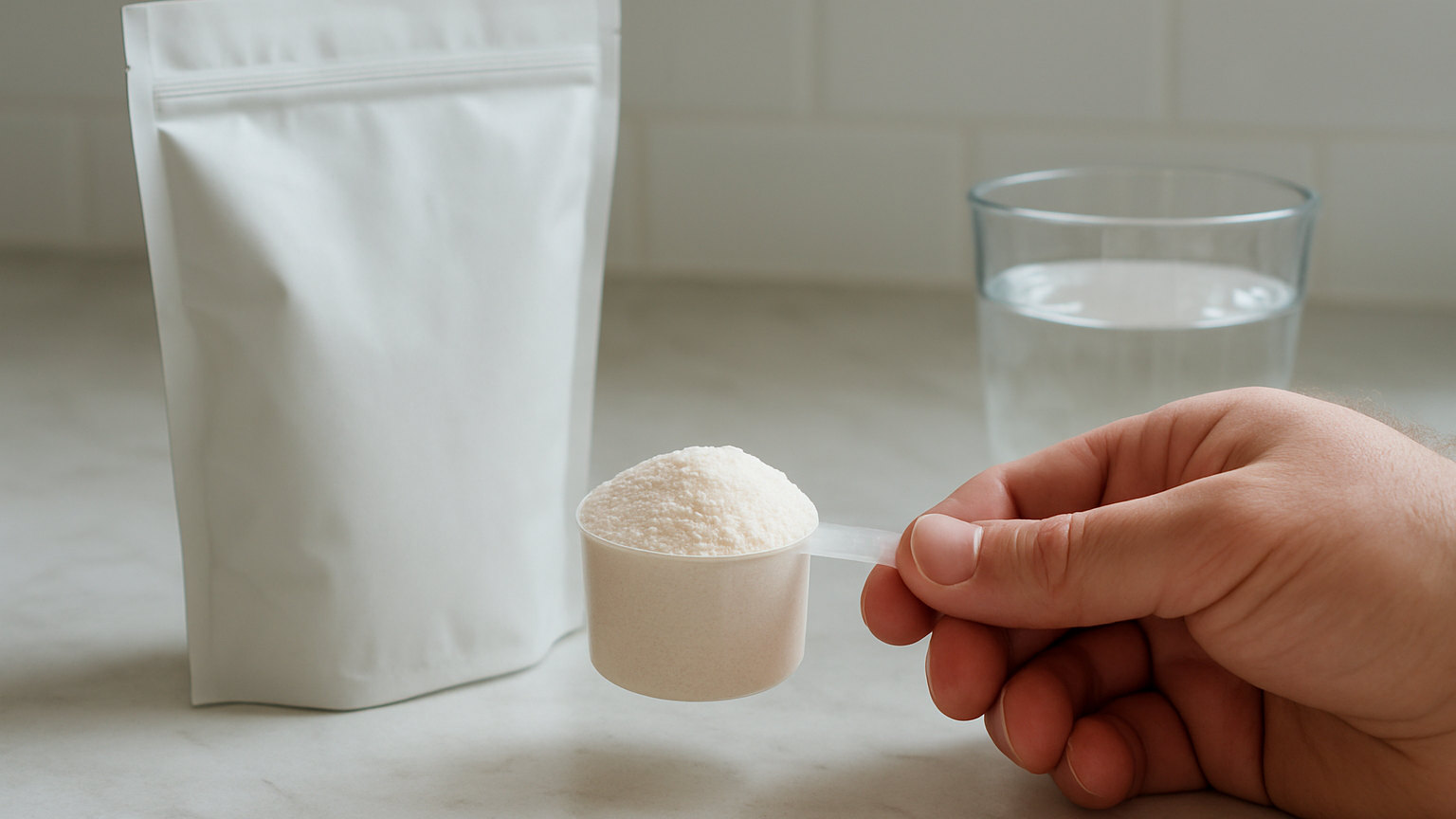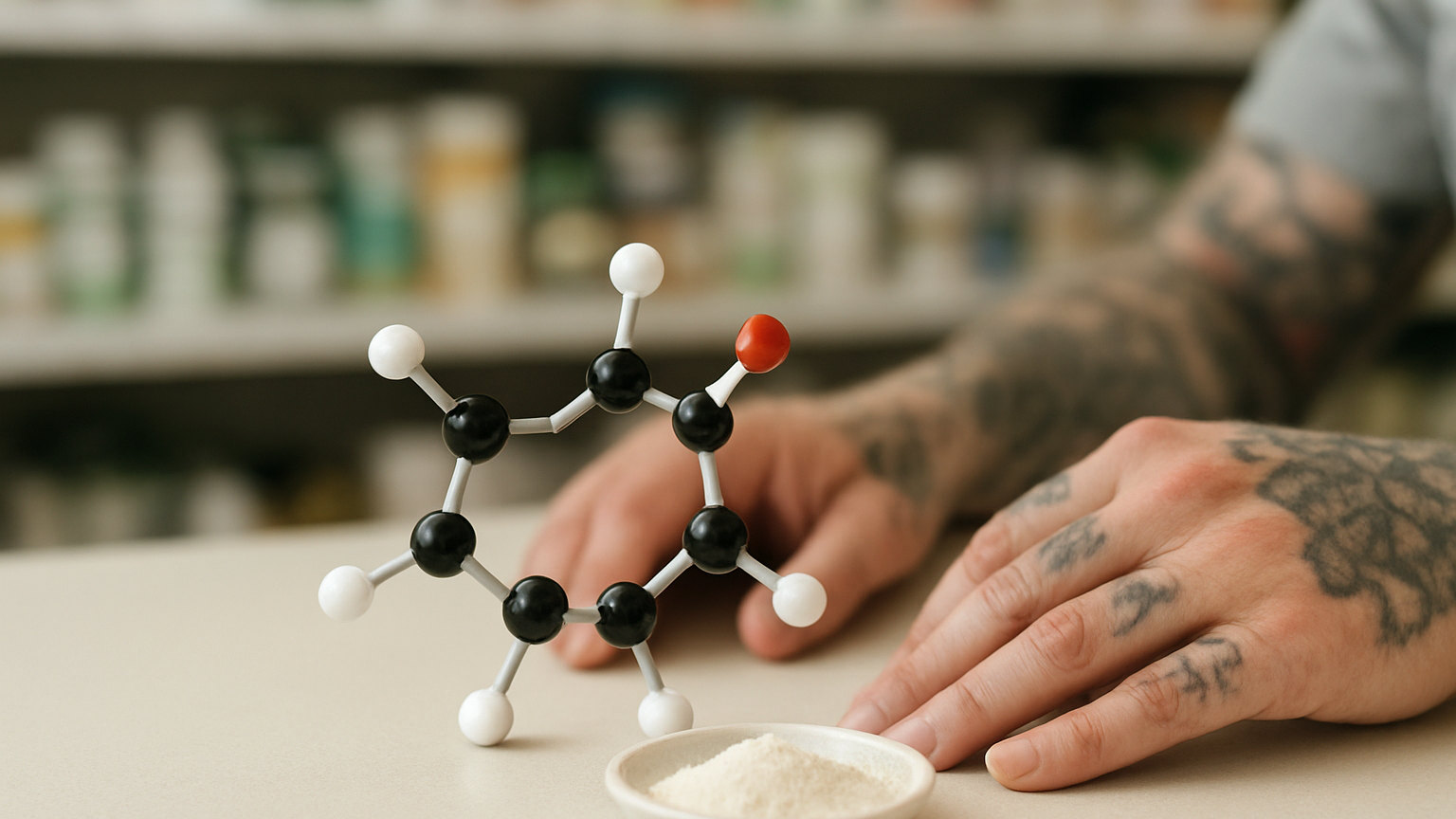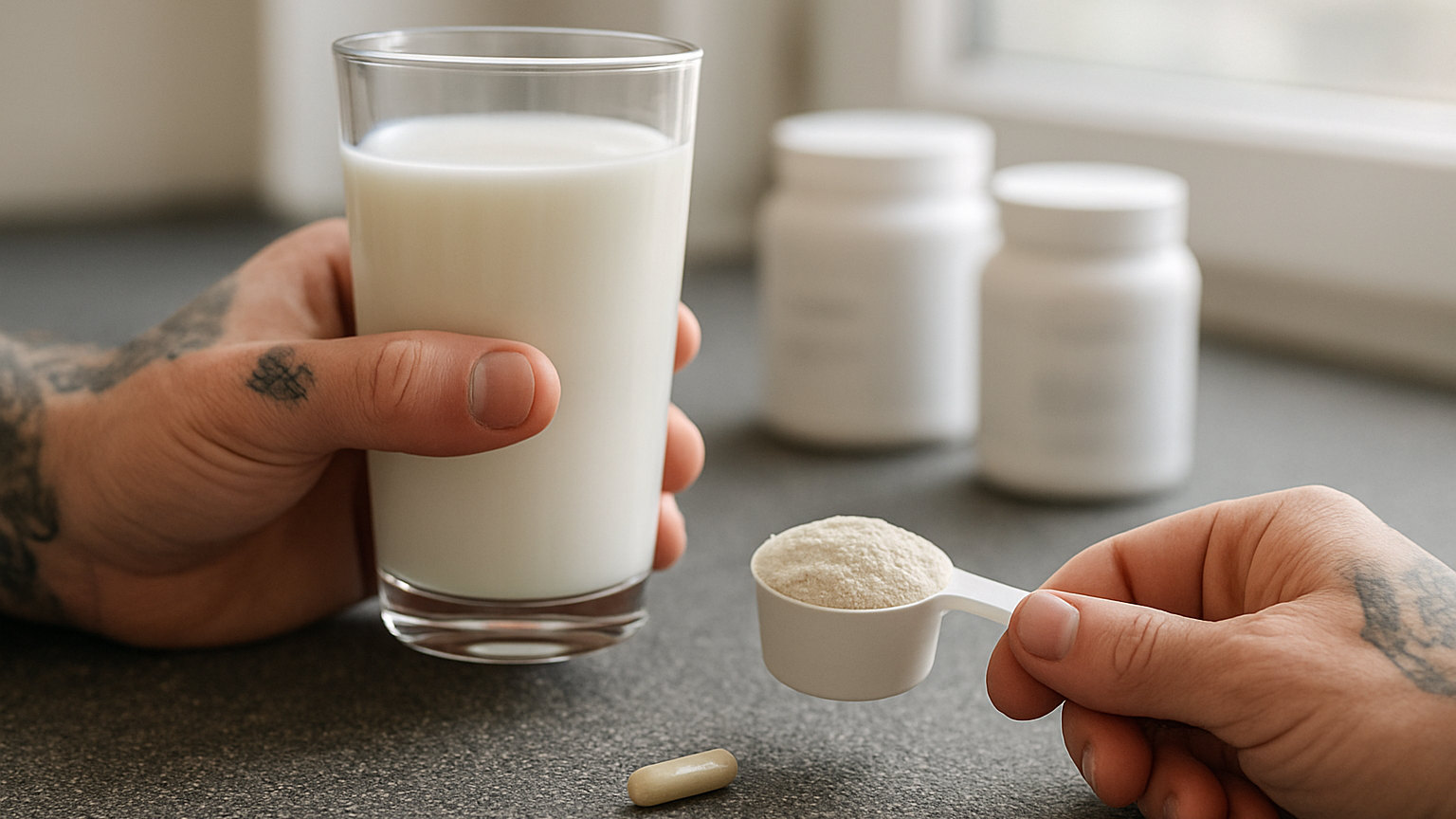
Whey comes in three main forms that differ in how much processing they have undergone. The differences are real and matter less than the price gap between them suggests for most people.
What is whey concentrate?
Whey concentrate is produced by filtering liquid whey, a by-product of cheese making, to remove water and some lactose.
It typically contains around 70 to 80 per cent protein by weight, with the remainder being lactose, fat and minerals. It is the least processed and cheapest form.
Those remaining components are not waste. The fat and immunoglobulins in concentrate may have their own value, though the evidence for practical benefit is limited.
What is whey isolate?
Isolate undergoes further filtration, usually by microfiltration or ion exchange, removing most of the remaining lactose and fat.
It typically contains 90 per cent protein or more, with minimal lactose, which makes it suitable for many people with lactose intolerance.
The additional processing costs money, which is reflected in the price per kilogram.
What is hydrolysate?
Hydrolysed whey has been partially broken down into shorter peptide chains using enzymes, effectively pre-digesting it.
It absorbs marginally faster, tastes noticeably more bitter and costs considerably more. The evidence that it produces better results for muscle building is weak.
Its genuine applications are in clinical nutrition and in some infant formulas where reduced allergenicity matters.
Does the protein content difference matter?
Less than the percentages suggest. A 30 gram scoop of concentrate at 75 per cent supplies around 22 grams of protein, while isolate at 90 per cent supplies around 27.
Adjusting the scoop size closes that gap entirely, and concentrate is usually cheaper per gram of actual protein even accounting for the difference.
Who should choose isolate?
- People with lactose intolerance who find concentrate causes bloating or discomfort
- Anyone minimising fat and carbohydrate for a specific reason
- People who find concentrate sits heavily
- Those in a calorie deficit wanting maximum protein per calorie
Note that whey isolate still contains trace lactose and is not suitable for anyone with a milk protein allergy, which is a different condition entirely.
Who should choose concentrate?
Most people. It is cheaper, tastes better to many, and the nutritional difference is trivial once total daily protein is accounted for.
If you tolerate dairy and are not counting every calorie, concentrate is the better value option by a clear margin.
What about blends?
Many products blend concentrate and isolate, listing both on the ingredients. This is a reasonable compromise, and check which is listed first since ingredients appear in descending order by weight.
A product listing concentrate first is mostly concentrate, whatever the isolate on the label implies.
What should you check?
Protein grams per serving rather than the percentage, the serving size, and the price per kilogram of protein rather than per tub.
That last calculation frequently reverses which product looks better value. This article is general information and not medical advice.
What about lactose intolerance specifically?
Isolate contains substantially less lactose than concentrate, and many people who react to concentrate tolerate isolate without difficulty.
It is not lactose free, so anyone with severe intolerance may still react. A plant protein avoids the question entirely.
Does grass fed whey differ?
Marginally in fatty acid composition, and not in protein content or amino acid profile, which is what you are buying it for.
The premium generally reflects positioning rather than a nutritional difference in the finished protein.
What is the practical recommendation?
Start with concentrate unless you have a specific reason not to. Switch to isolate if it causes bloating or if you are counting calories closely.
Skip hydrolysate unless a clinician has recommended it, since the evidence does not justify the cost for ordinary use.
What is the summary?
Concentrate for most people, isolate for lactose sensitivity or strict calorie control, hydrolysate rarely. Compare on protein per serving rather than on the percentage claimed.
The difference between the three forms is real and smaller in practice than the price gap implies, which is worth remembering when a premium product promises a transformation.