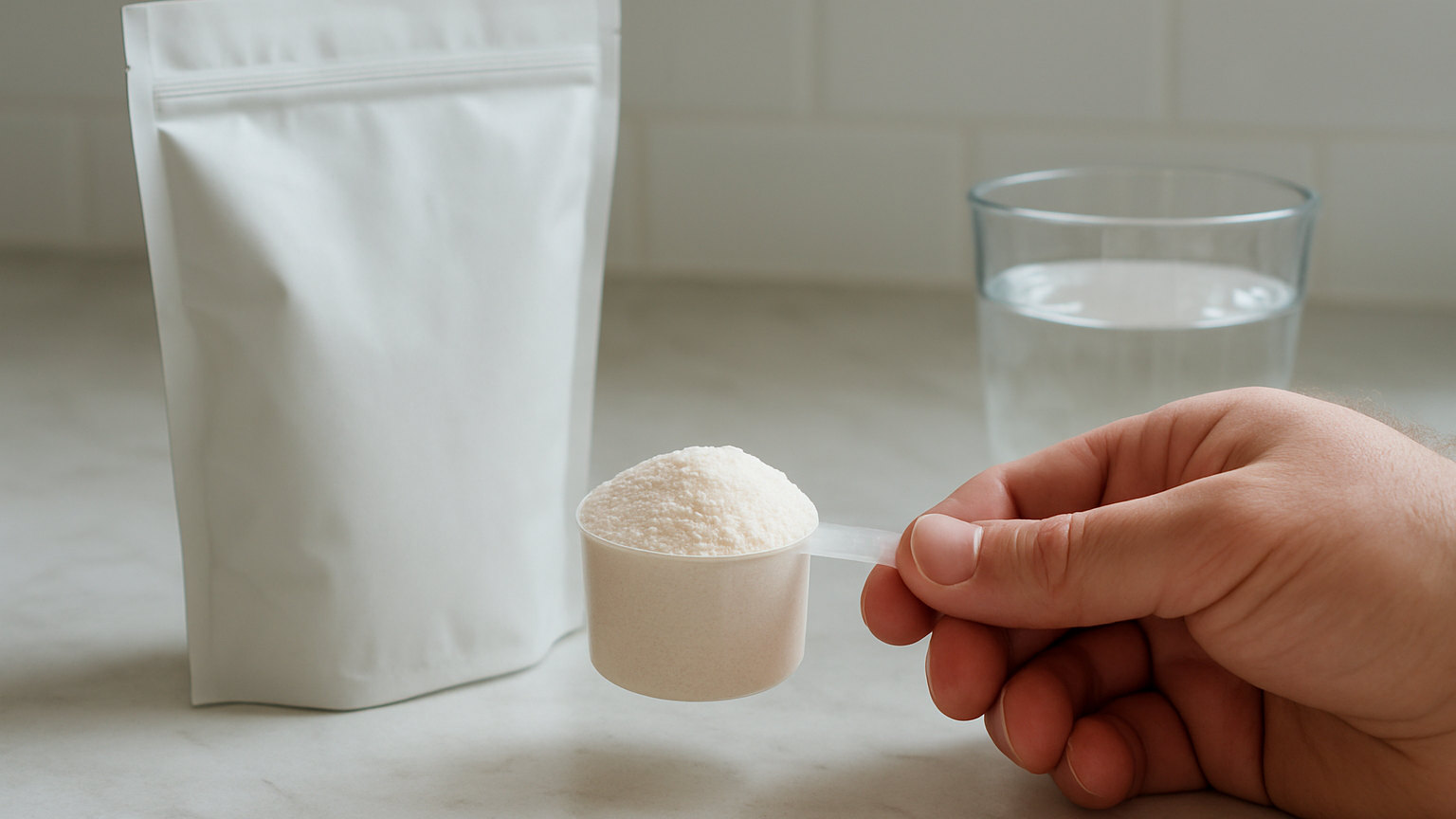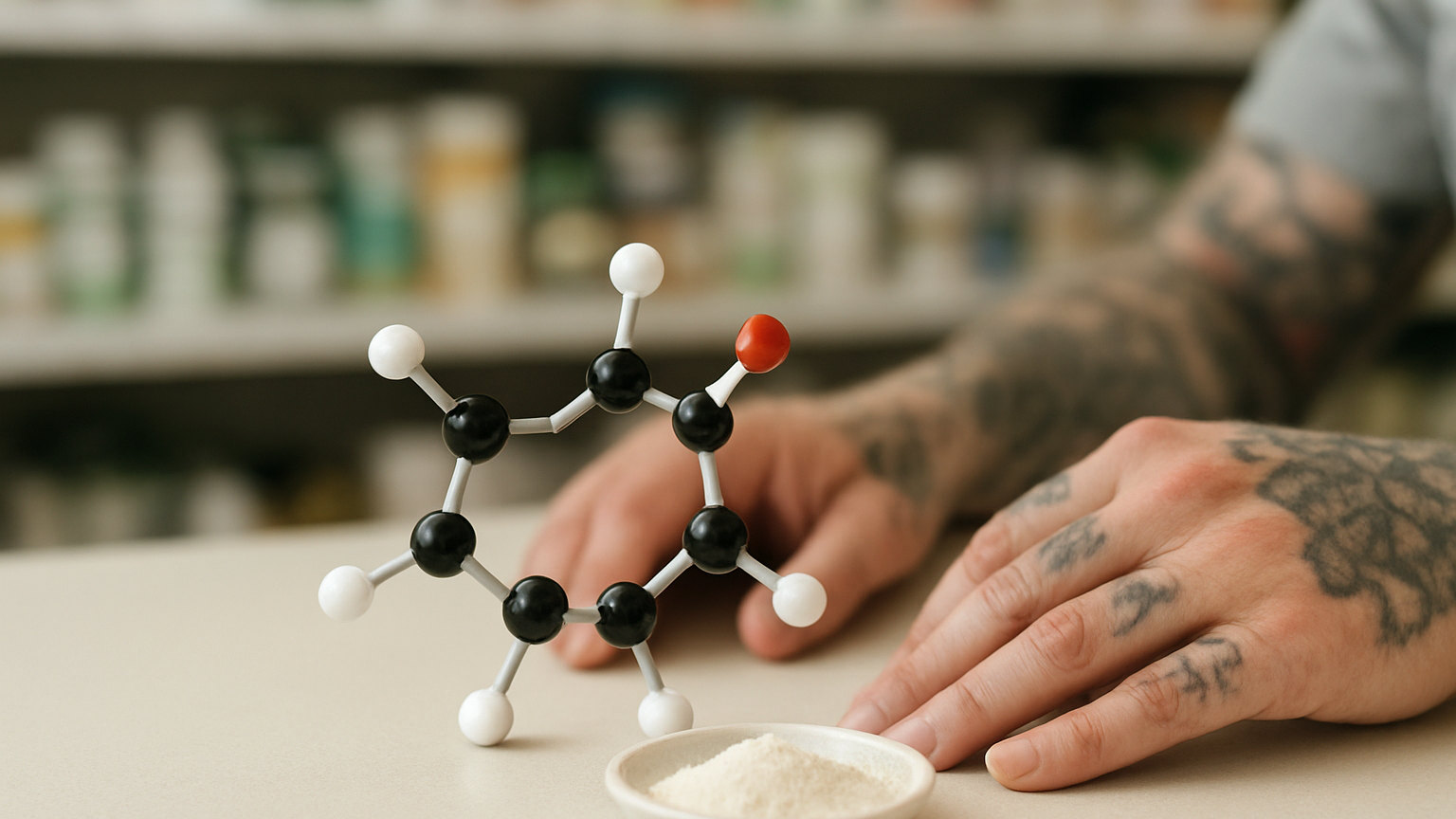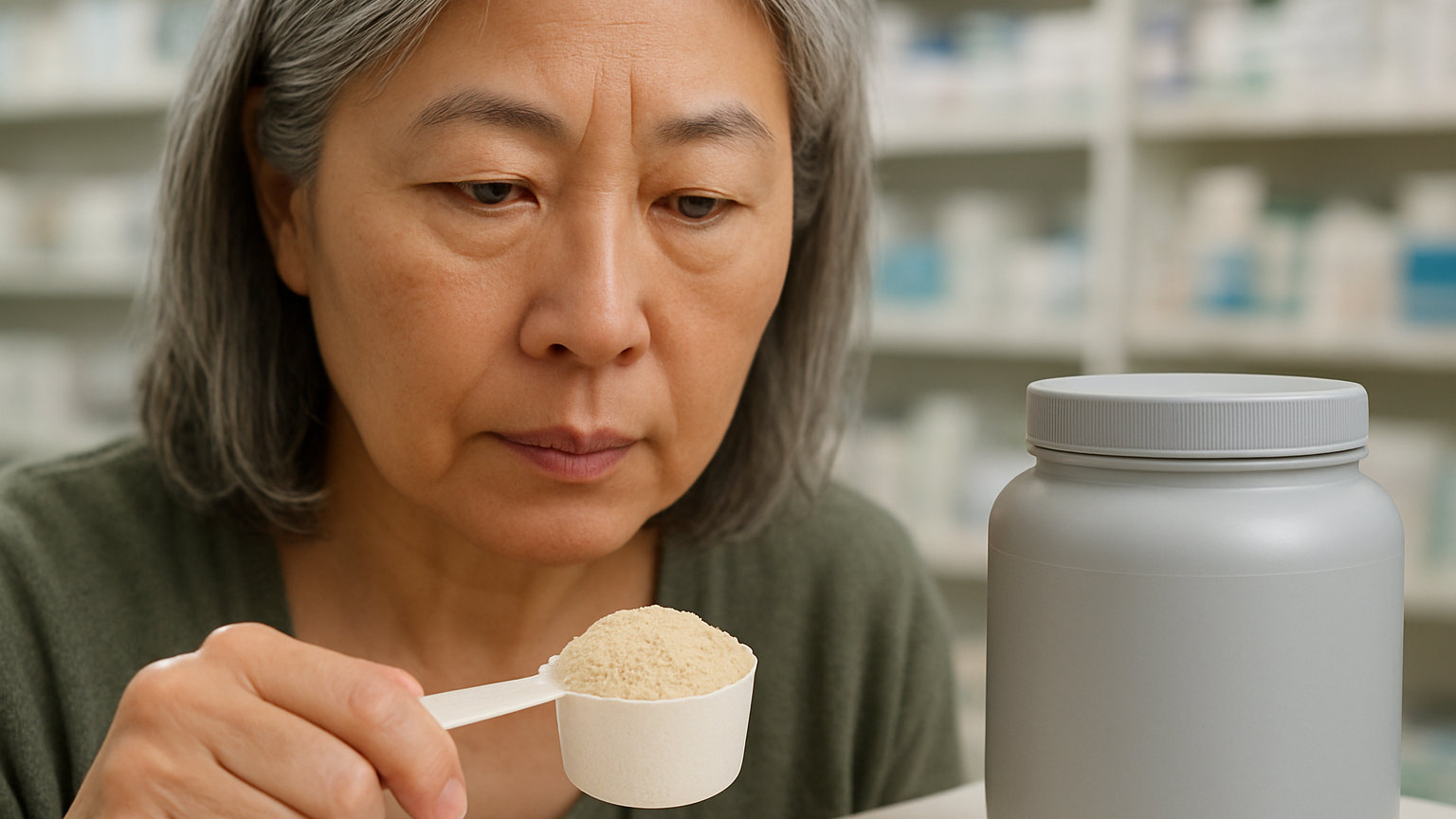
Plant protein powders have improved considerably, and the differences between sources are genuine. The main consideration is amino acid profile, since most individual plant proteins are short in one essential amino acid.
What are the main options?
- Soy protein isolate, complete and closest to whey in profile
- Pea protein isolate, high in lysine, relatively low in methionine
- Rice protein, higher in methionine, relatively low in lysine
- Pea and rice blends, which complement each other
- Hemp protein, lower in protein percentage and higher in fibre
- Pumpkin seed and sunflower protein, less common and generally blended
Why is soy the strongest single source?
Because it contains all essential amino acids in reasonable proportions and has decent leucine content at around 8 per cent.
It also has good digestibility scores, comparable to animal proteins on standard measures.
Trials comparing soy with whey have found somewhat smaller acute responses and broadly comparable muscle gains over longer periods when total protein was adequate.
What about the soy concerns?
Soy contains isoflavones, plant compounds with weak oestrogen-like activity, which has generated concern about hormonal effects in men.
Meta-analyses examining soy and testosterone in men have generally found no significant effect at ordinary intakes. The concern appears considerably overstated relative to the evidence.
Anyone with a thyroid condition should note that soy may reduce levothyroxine absorption, so spacing the two apart by several hours is sensible rather than avoiding soy altogether.
Why do pea and rice work together?
Because their limiting amino acids differ. Pea is relatively low in methionine and rice is relatively low in lysine, so combining them produces a more complete profile than either alone.
Most commercial plant blends use this pairing for exactly this reason, often in roughly a 70 to 30 ratio of pea to rice, which produces a profile close to complete.
Does the dose need to be higher?
Slightly. Lower leucine content and marginally lower digestibility mean a somewhat larger serving may be needed to produce a comparable response.
Increasing a 25 gram serving to 30 or 35 grams is a reasonable adjustment, and some products add leucine directly.
What about taste and texture?
This is where plant powders have historically lost out, being chalkier and grittier than whey.
Formulations have improved substantially, and pea protein in particular can have an earthy taste that some people dislike. Trying a sample before buying a large tub is worthwhile.
Are there other considerations?
Plant proteins have been found to contain higher levels of heavy metals than whey in some independent testing, reflecting uptake from soil.
Products carrying third party certification such as Informed Sport have been batch tested, which offers some reassurance.
Which should you choose?
Soy if you tolerate it and want the most complete single source. A pea and rice blend if you prefer to avoid soy. Either at a slightly higher serving than you would use for whey.
Total daily protein matters more than the specific source. This article is general information and not medical advice.
Are plant powders more filling?
Often, since many contain more fibre than whey, particularly hemp and less refined products.
That can be useful in a calorie deficit and unhelpful if you are trying to consume a lot of protein without feeling full.
What about protein content per scoop?
Plant powders frequently contain less protein per 100 grams than whey isolate, since they are less refined. Comparing on protein per serving rather than scoop size matters here.
Calculating cost per kilogram of actual protein rather than per tub is the reliable comparison, and it often changes which product looks better value.
What is the summary?
Soy for the most complete single source, pea and rice blends as the main alternative, and a slightly larger serving than you would use for whey.
Plant protein powders have improved enormously in the past decade, and the choice is now genuinely about preference rather than about accepting a compromise.