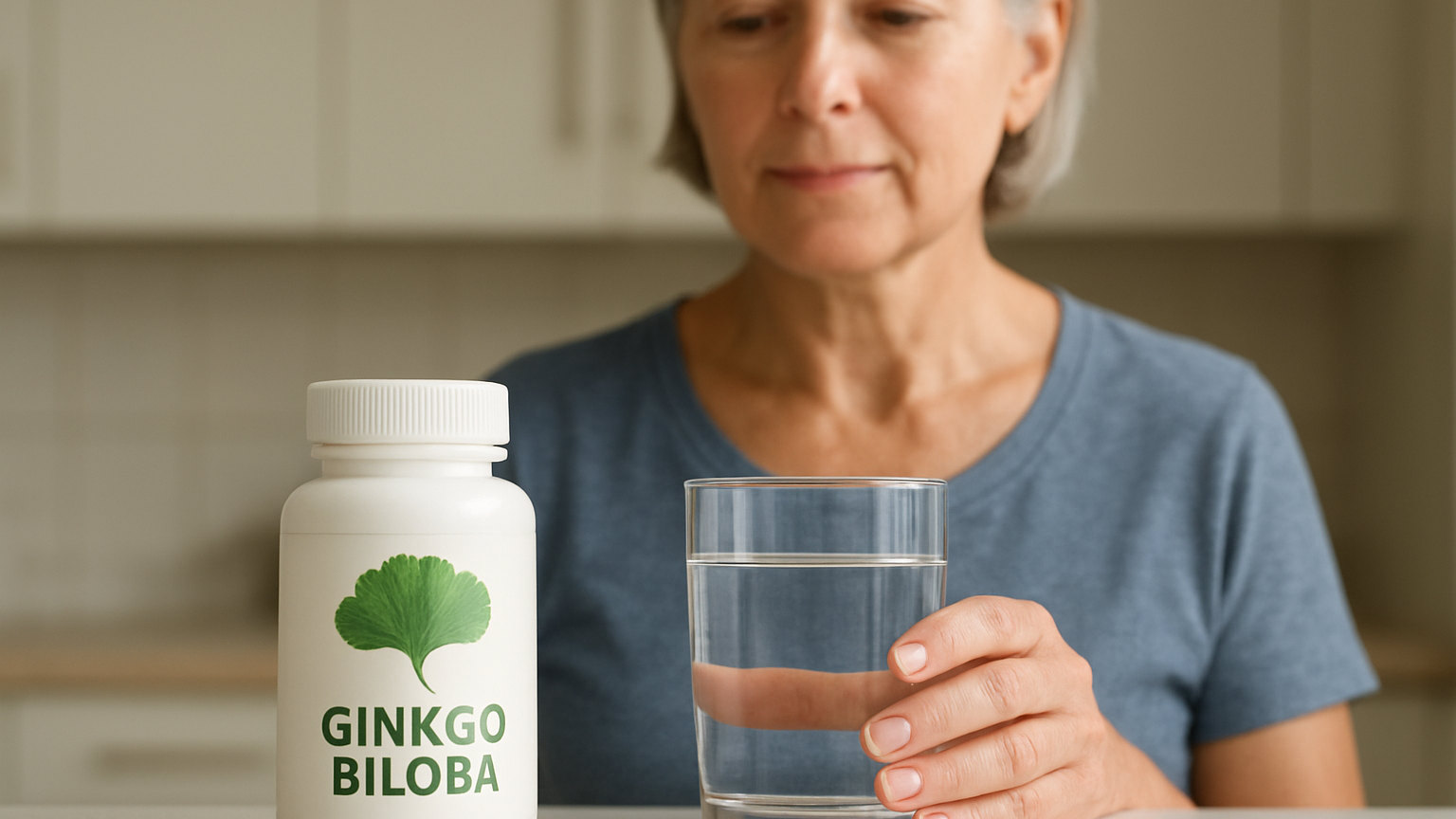
Ginkgo biloba is among the most widely sold herbal supplements and one of the most relevant to anyone taking medication that affects bleeding.
What is ginkgo biloba?
An extract of the leaves of the ginkgo tree, standardised in research preparations to flavone glycosides and terpene lactones.
Ginkgo biloba leaf extract is the supplement, while the seeds are a different matter and contain a compound that can cause seizures.
What do people take it for?
Memory and cognitive function, which is the main reason it is bought.
Circulation, including cold hands and feet and leg pain on walking.
Tinnitus and dizziness, both with limited supporting evidence.
What does the research show?
A large trial examining ginkgo biloba for preventing dementia in older adults found no reduction in incidence.
Reviews of its use in existing cognitive impairment have reported inconsistent results, with some suggesting modest benefit at higher doses.
Evidence for memory improvement in healthy adults is weak.
Why does it affect bleeding?
Ginkgo biloba inhibits platelet activating factor, which reduces the tendency of platelets to clump together.
Case reports have described bleeding events including bleeding within the skull in people taking it, sometimes alongside other agents affecting clotting.
What does that mean practically?
- Anyone taking warfarin or a direct oral anticoagulant should avoid it without advice
- Anyone on aspirin or other antiplatelet medicines should check first
- It should be stopped one to two weeks before surgery or dental procedures
- Combining it with other supplements affecting bleeding compounds the effect
What other interactions exist?
Ginkgo biloba affects drug metabolising enzymes and has been reported to reduce levels of some medicines, including certain HIV treatments.
It may also lower the seizure threshold, which matters for anyone with epilepsy.
What are the side effects?
Headache, dizziness, stomach upset and palpitations are reported, generally mild.
Allergic skin reactions occur occasionally.
What dose is used?
Trials have generally used 120 to 240 milligrams daily of standardised extract, split into doses.
Products vary, and standardisation to flavone glycosides and terpene lactones is what allows comparison.
What should you do about memory concerns?
See a GP, since several causes of memory problems are treatable and early assessment is worthwhile.
Physical activity, treating hearing loss and managing blood pressure all appear in dementia risk guidance while supplements do not.
Is it worth taking?
The evidence for the main claims is weak, and the bleeding interaction is real.
Anyone taking it should tell their GP and stop before any procedure.
What is the summary?
Ginkgo biloba is taken for memory and circulation, has disappointing trial results, and affects platelets enough to matter clinically.
This article is general information and not medical advice.
What about circulation claims?
Some trials have examined ginkgo biloba in peripheral arterial disease, with small and inconsistent effects on walking distance.
Supervised exercise programmes have considerably better evidence for that condition.
What should you tell your GP?
That you take it, particularly before any procedure and if you are on anything affecting clotting.
It is frequently omitted from medication lists because people think of it as a memory supplement rather than an active compound.
Who should avoid it?
Anyone on anticoagulants or antiplatelets, anyone with epilepsy, and anyone due for surgery within two weeks.
That is a substantial group among the older adults who most often buy it.
What should you expect?
Very little, based on the larger trials, and a real interaction risk if you take anything affecting clotting.
What does ginkgo illustrate?
That a popular supplement can fail its main claim in a large trial and continue selling strongly regardless.
It also shows that herbal products can carry clinically significant interaction risk.
Both facts are worth knowing before buying.
Ginkgo biloba should be included on any list of what you take, particularly before procedures.
It is among the most commonly omitted supplements from medication lists.
Ginkgo biloba is a good example of a herb whose risks are better established than its benefits.
That balance is worth weighing before buying.