Grape seed extract is one of the more common antioxidant supplements, and it is regularly confused with a different grape derived compound.
What is grape seed extract?
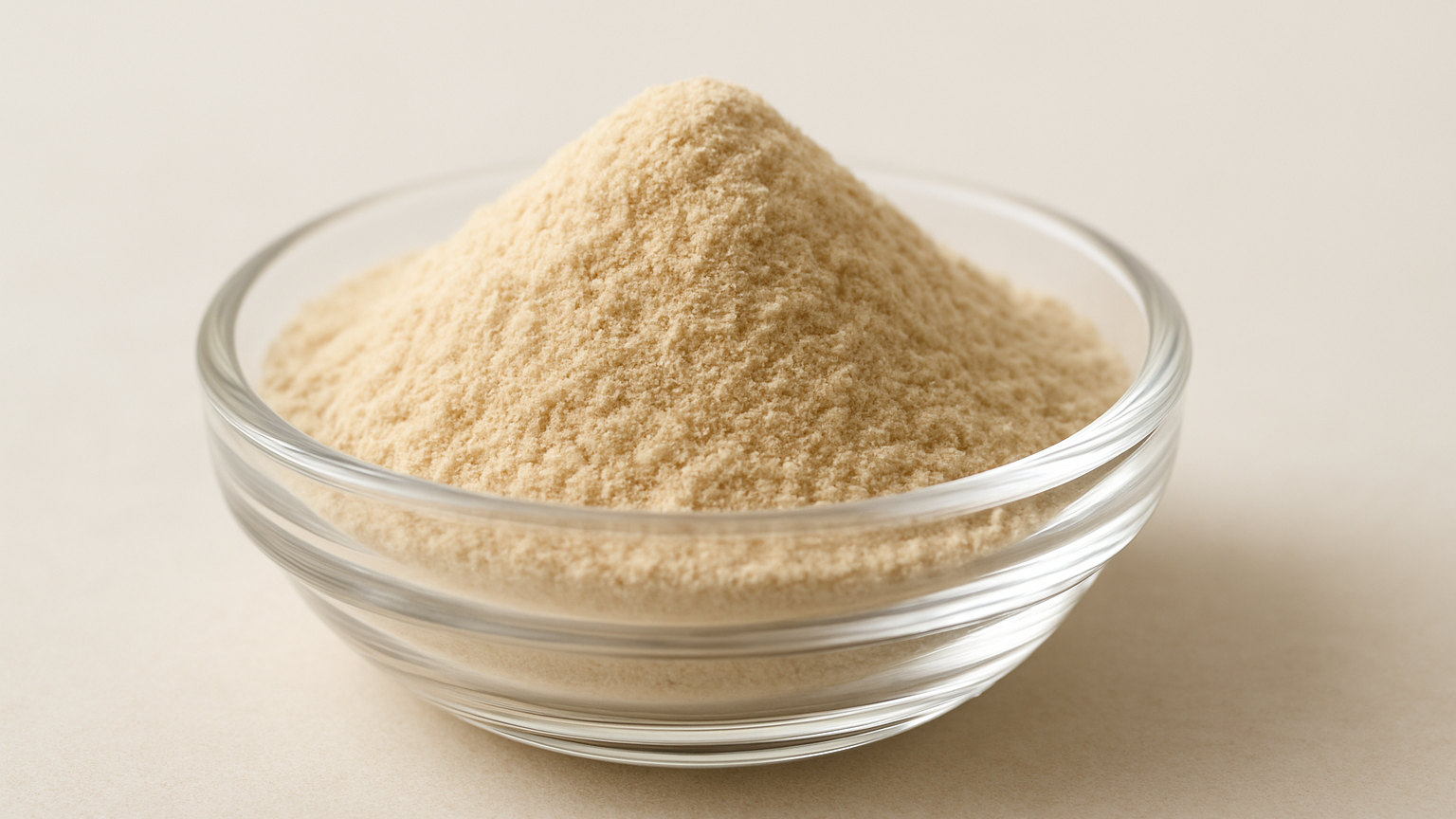
An extract of the seeds left over from winemaking, rich in oligomeric proanthocyanidins, usually shortened to OPCs.
Grape seed extract is not resveratrol, which comes mainly from the skin and is sold as a separate supplement with its own claims.
What do people take it for?
Circulation problems, particularly leg swelling and varicose vein symptoms.
Blood pressure and general cardiovascular health.
As a general antioxidant, which is the vaguest of the claims attached to it.
What does the research show?
Meta-analyses have reported small reductions in blood pressure with grape seed extract, larger in younger participants and those with metabolic problems.
Trials in chronic venous insufficiency have reported improvements in leg symptoms.
Studies have generally been small and short, and effects are modest.
What does antioxidant mean in practice?
Compounds that neutralise reactive molecules in laboratory conditions, which is easy to demonstrate and difficult to translate.
Large trials of antioxidant supplements have generally failed to show the health benefits that laboratory findings predicted.
What dose is used?
Trials have commonly used 100 to 300 milligrams daily of standardised extract.
Products should state the proanthocyanidin or polyphenol percentage, since that is what allows comparison.
What are the cautions?
- Effects on bleeding, relevant alongside anticoagulants and antiplatelets
- Stopping before surgery
- Possible effects on blood pressure alongside medication
- Limited safety data in pregnancy
What are the side effects?
Headache, dizziness, nausea and dry scalp have been reported, generally mild.
It is well tolerated by most people at the doses used.
How does it compare with horse chestnut?
Both are used for venous leg symptoms, and horse chestnut has the more consistent supporting evidence.
Compression remains the intervention with the strongest evidence for that condition.
Does drinking wine do the same?
No. Wine contains different compounds in different proportions, alongside alcohol, which carries its own risks.
Nothing about grape derived supplements justifies drinking more.
Is it worth taking?
For venous symptoms or modest blood pressure support it has some evidence, and neither effect is large.
Anyone with raised blood pressure should have it measured and treated properly.
What is the summary?
Grape seed extract is taken for circulation and blood pressure with modest supporting trials, and it is a different product from resveratrol.
This article is general information and not medical advice.
Who might it suit?
Someone with venous leg symptoms or mildly raised blood pressure who is not on anticoagulants.
Anyone due for surgery should stop it beforehand.
What should you check on a label?
The proanthocyanidin or polyphenol percentage and the botanical source.
Products stating only grape seed extract are giving you less than you need to compare them.
What about grape seed oil?
Grape seed oil is a cooking oil pressed from the same seeds and contains almost none of the proanthocyanidins the extract is made for.
The two products share a source and little else.
Cooking oil is not a supplement.
What should you expect?
A small reduction in blood pressure and modest improvement in leg symptoms, based on the trials.
Neither effect is large enough to replace established treatment.
Measurement remains the priority for blood pressure.
What about antioxidant supplements generally?
Large trials of antioxidant vitamins have repeatedly failed to show the benefits laboratory findings predicted, and in some cases found harm.
That history is worth remembering when assessing any antioxidant claim.
Plant polyphenols have not been tested at the same scale.
What is the honest position?
Small measurable effects on blood pressure and leg symptoms, with the antioxidant framing doing most of the marketing work.
The measurable effects are the ones worth judging it on.
Neither is dramatic.
Anyone on anticoagulants should check before starting it.
A pharmacist can confirm in moments.
Standardisation is what makes any meaningful comparison between products possible here.