The short answer is that no unfortified plant food is a reliable source of vitamin B12. This is one of the few genuinely settled questions in supplement nutrition, and it matters because the alternatives that circulate online are not merely weak, they can be actively misleading.
Why do plants not contain B12?
B12 is synthesised only by certain bacteria and archaea. Plants have no requirement for it and no mechanism to make it, so they contain none unless contaminated with bacteria or grown in a medium containing it.
Animals accumulate B12 either by eating other animals or, in ruminants, from bacteria in their own digestive systems. This is why B12 concentrates in meat, fish, eggs and dairy and is absent from the plant kingdom.
What is a B12 analogue?
This is the crucial concept. Several plant foods contain corrinoids, molecules structurally similar to B12 that the human body cannot use.
The problem is twofold. Standard laboratory assays often cannot distinguish analogues from active B12, so a food can test as containing B12 while supplying none that works. Worse, there is evidence that analogues can compete with genuine B12 for absorption and transport, potentially making status worse rather than better.
A label stating a B12 content is not evidence that the B12 is usable. This applies particularly to algae products.
What about spirulina and chlorella?
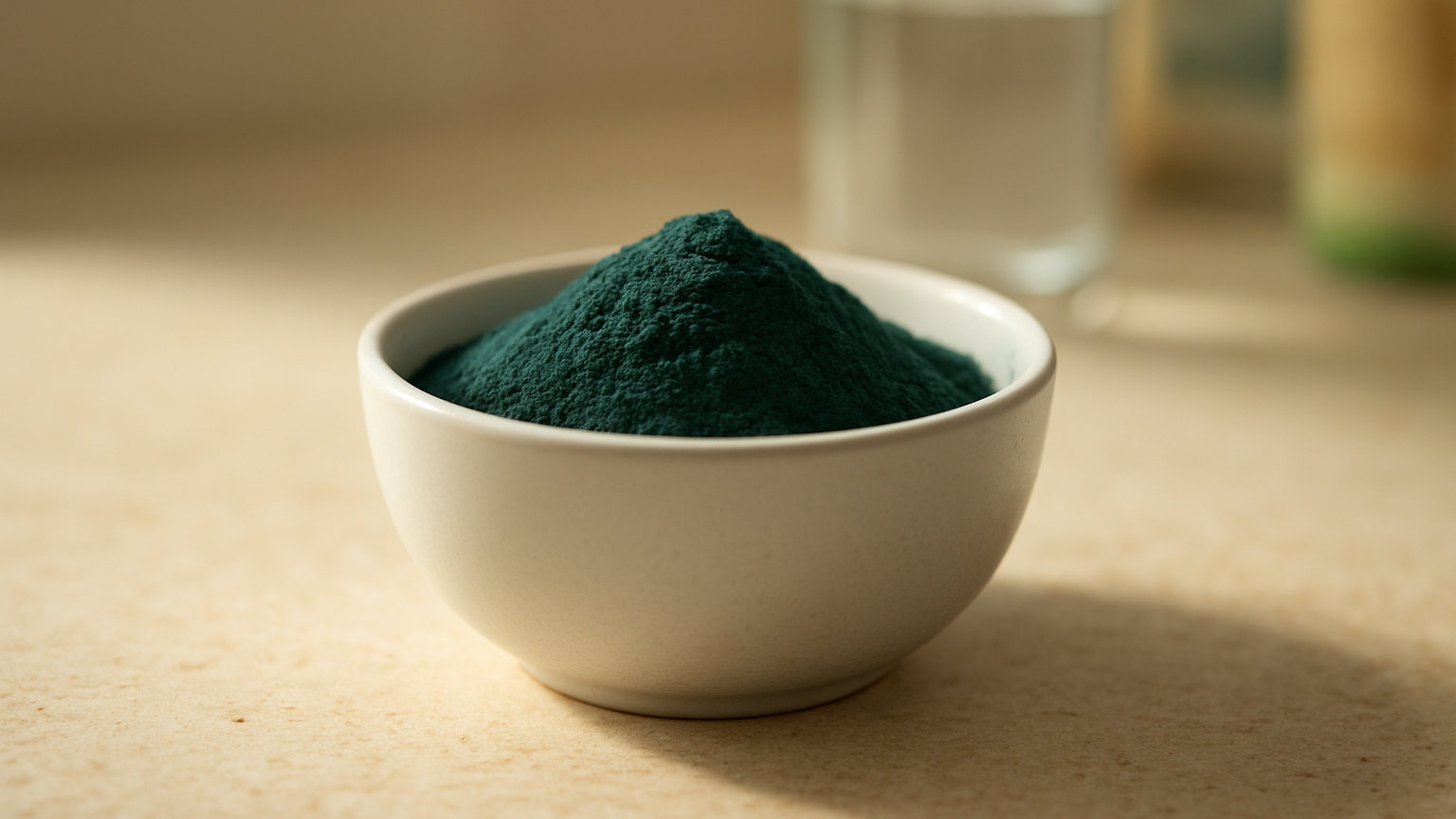
Spirulina is the classic example and is frequently marketed as a vegan B12 source. Analysis has repeatedly shown that the great majority of what it contains is pseudovitamin B12, an analogue with no activity in humans.
Studies in which people relied on spirulina found it did not correct deficiency, and some suggested it may have interfered. Major dietetic bodies advise against relying on it.
Chlorella is more variable. Some samples have been shown to contain genuine B12, apparently from bacteria associated with the growing process, and the content is inconsistent between batches and producers. Inconsistency is disqualifying for something as important as this.
Is nori any better?
Dried purple laver, sold as nori, is the most interesting candidate. Analyses have found it contains meaningful quantities of genuine active B12, and some studies in vegetarian populations have suggested it may contribute to status.
The caveats remain significant. Content varies considerably with species, harvest and processing, drying methods affect it, and the quantities needed daily are substantial. There is not enough evidence to recommend it as a sole source.
What about mushrooms and fermented foods?
- Most mushrooms contain negligible B12, though some varieties show small amounts from associated bacteria
- Tempeh contains variable trace quantities depending on the fermentation organisms present
- Miso, sauerkraut and kimchi are not reliable sources despite frequent claims
- Unwashed organic vegetables contain trace amounts from soil bacteria, in quantities far too small and too unhygienic to depend on
The recurring theme is variability. Foods that sometimes contain a little B12 are not sources in any useful sense, because you cannot know what you are getting.
What actually works?
Fortified foods and supplements, both of which use B12 produced by bacterial fermentation and are therefore suitable for vegans.
Fortified plant milks, breakfast cereals, nutritional yeast and some meat substitutes commonly contain added B12. Check the label, since fortification is voluntary and varies between products and countries.
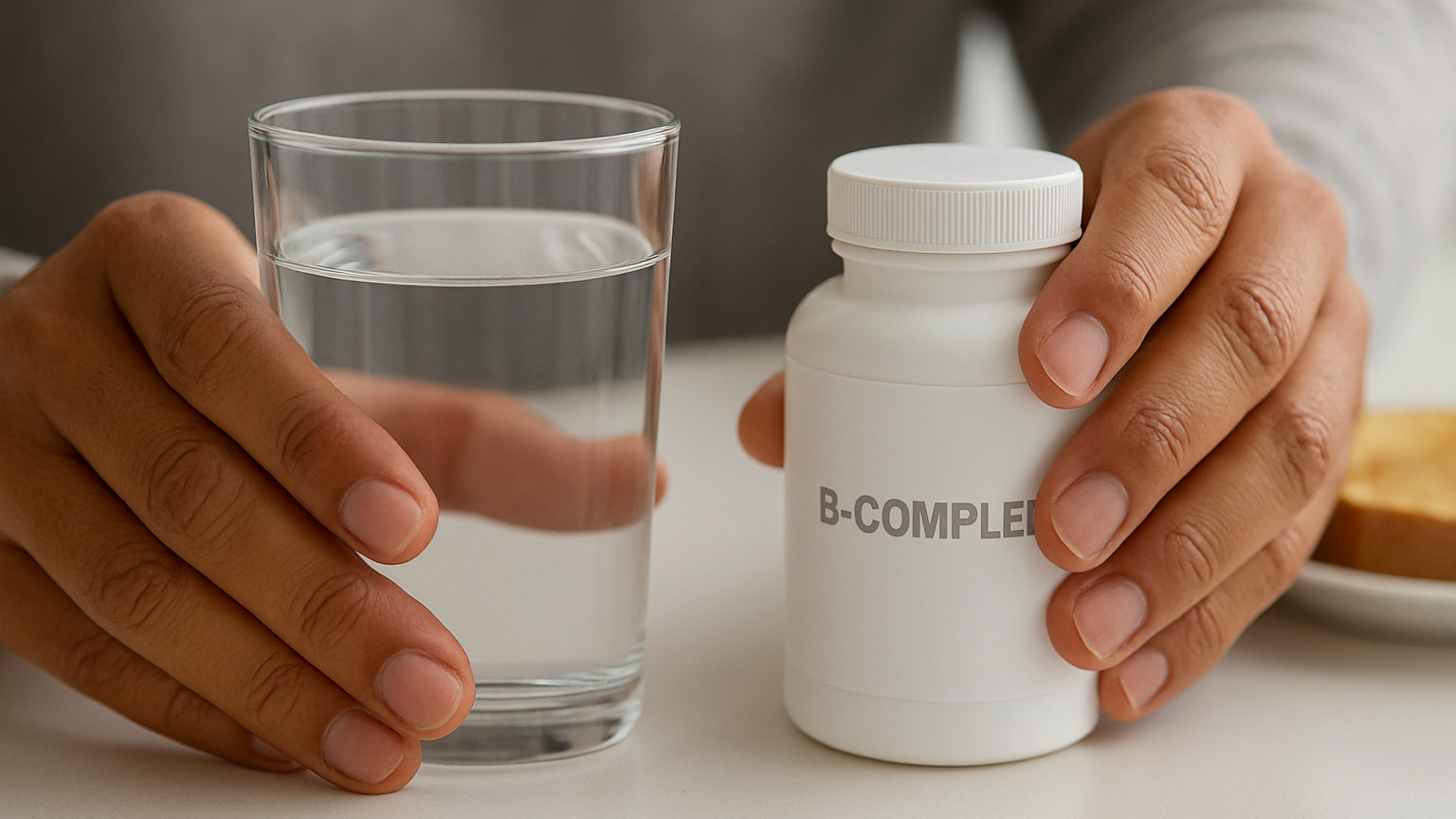
A supplement of around 10 micrograms daily, or 2000 micrograms weekly, removes the uncertainty entirely and costs very little. Cyanocobalamin is the cheapest and best studied form, and it is suitable for vegans.
Why does this matter so much?
B12 deficiency causes nerve damage that can become permanent if untreated, and it develops silently over years while liver stores are depleted. Relying on an unreliable source means finding out too late.
Vegan dietetic guidance from every major body is unambiguous on this point, and unusually so for a field that disagrees about most things. It is the one supplement a plant based diet genuinely requires.
This article is general information and not medical advice. See a GP if you have symptoms of deficiency.