Which Foods Are Highest in Vitamin C?
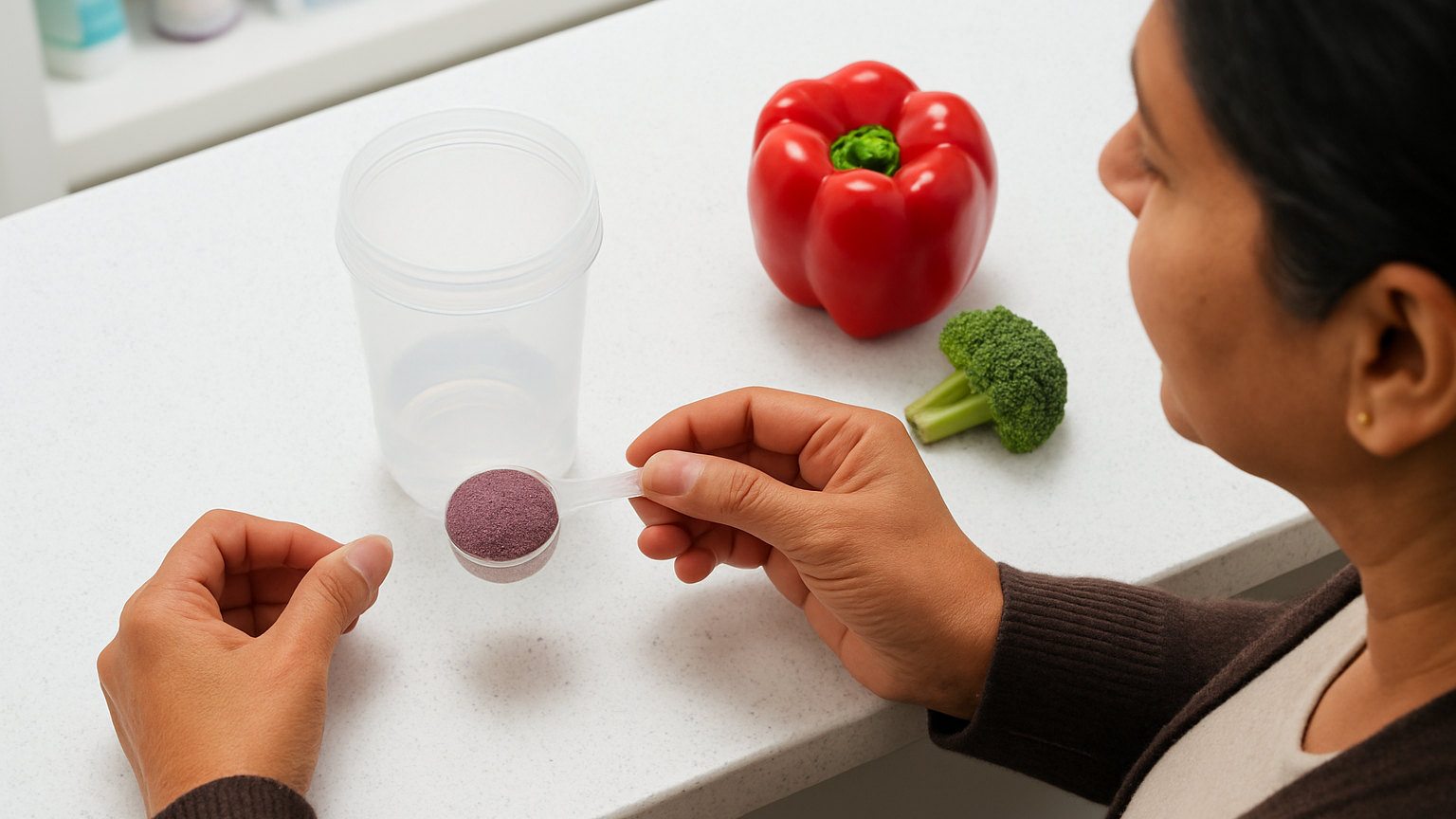
Peppers, blackcurrants and brassicas beat oranges comfortably. How you store and cook them affects the final amount more than most people expect.
By Supplements Guide
23 Feb 2026

What forty years of cold research really concluded, why the body caps what it absorbs, and what a gram a day achieves.
Peppers, blackcurrants and brassicas beat oranges comfortably. How you store and cook them affects the final amount more than most people expect.
Excess vitamin C is excreted rather than stored, so serious toxicity is rare. Stomach upset is the usual result, with kidney stones and iron overload the risks that matter for some people.
UK guidance sets 40mg a day, which is enough to prevent deficiency comfortably. Research doses sit far higher, and the gap between the two explains most supplement labels.
Bilberry is taken for eye health on the back of a wartime story that turns out to be untrue. Its other uses have slightly better support.
Decades of trials give a clear answer: regular vitamin C does not stop most people catching colds, but it shortens them slightly. Starting it once symptoms appear does almost nothing.
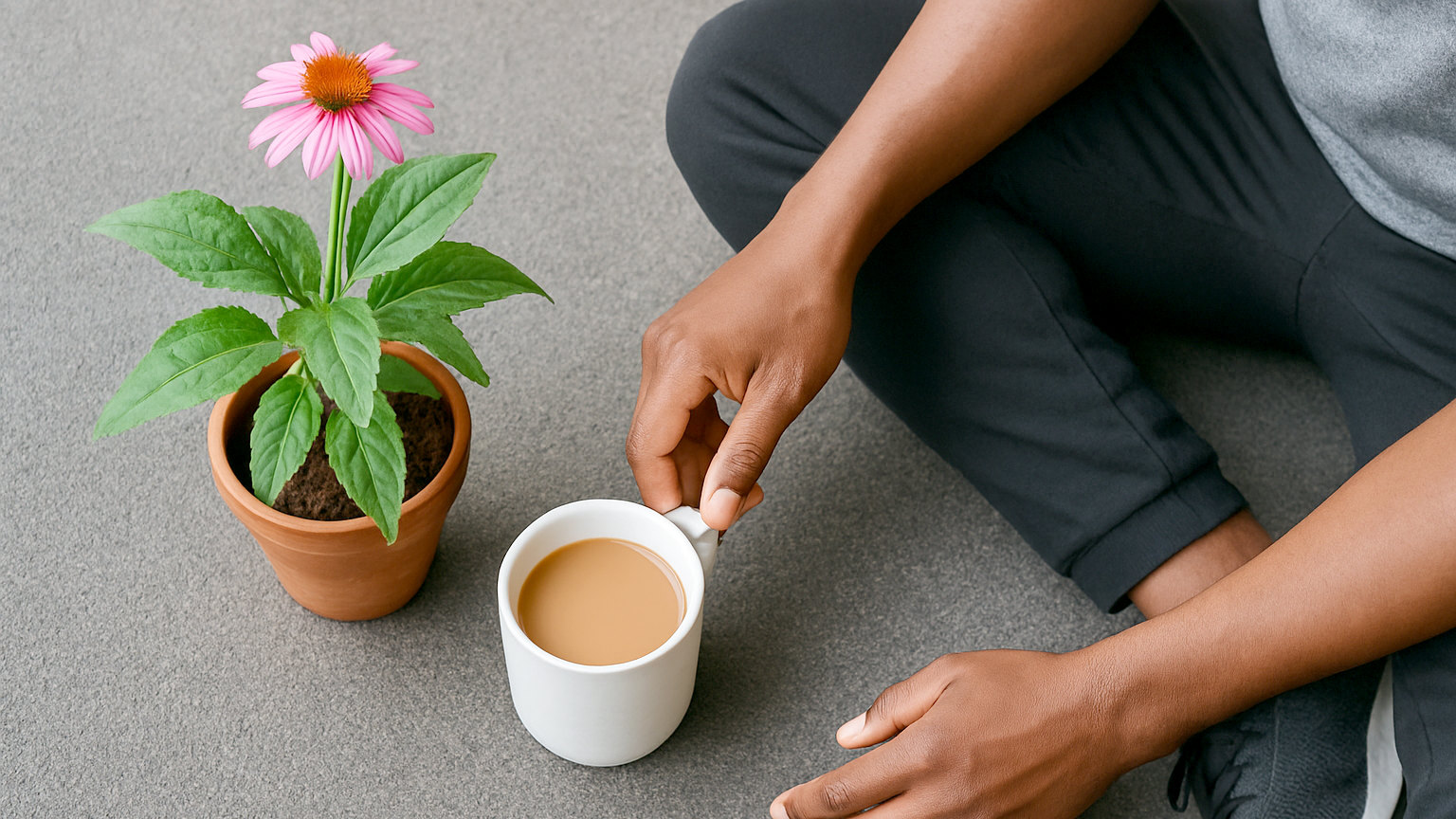
Echinacea is taken almost entirely for colds. Reviews find weak and inconsistent evidence, partly because products differ so much from each other.