Do Calcium Supplements Raise Heart Risk?
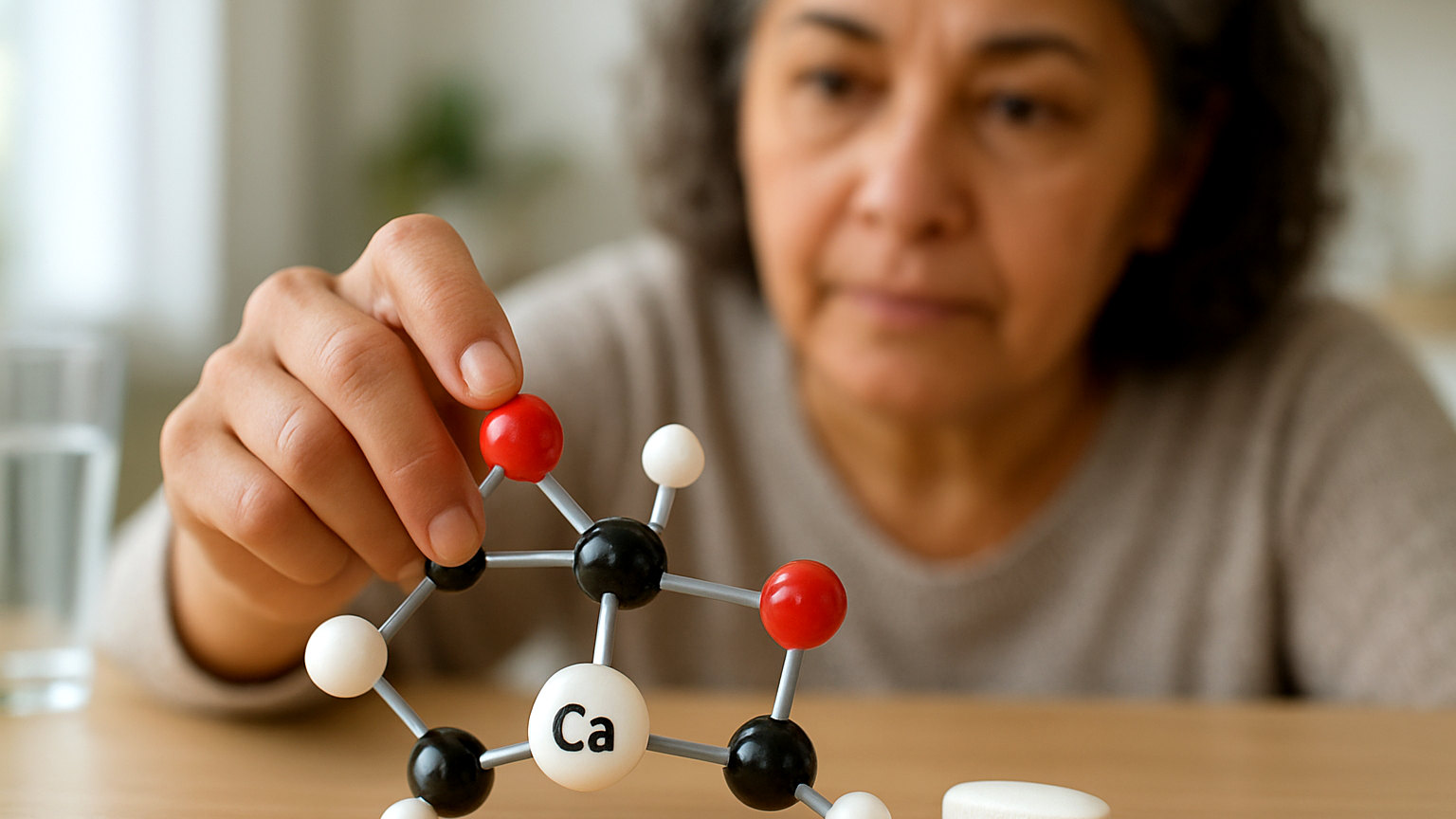
Some analyses suggested a modest increase in heart attacks with calcium supplements, and the question remains genuinely unresolved. Dietary calcium shows no such association.
Minerals are where the marketing gets specific: this form absorbs better, this one is gentler on the stomach, this one is bioavailable. Some of that is true and most of it does not justify the premium. These guides cover what each mineral does, how you would actually know if you were short, which forms have evidence behind them, and where the safe upper limits sit.
Some analyses suggested a modest increase in heart attacks with calcium supplements, and the question remains genuinely unresolved. Dietary calcium shows no such association.
Red clover supplies isoflavones and is taken for hot flushes and bone health. Meta-analyses have found small and inconsistent effects.
UK guidance sets 300mg for men and 270mg for women, and average intakes sit close to or slightly below that. The supplement upper limit is lower than most people assume.
Oxide absorbs poorly and appears in many cheap products. Picolinate, citrate and gluconate all perform reasonably, and the differences between them are smaller than claimed.
Oregano oil is taken for gut infections and candida. It is a concentrated essential oil, and taking it undiluted can damage tissue.
Ferritin is the protein that stores iron, and blood levels broadly reflect how much is in reserve. Inflammation raises it independently, which is the catch.
Goldenseal is taken for colds and digestive complaints. It is among the strongest inhibitors of drug metabolising enzymes of any herbal supplement.
Potassium balances sodium, supports nerve and muscle function and helps lower blood pressure. UK intakes commonly fall below the reference figure.
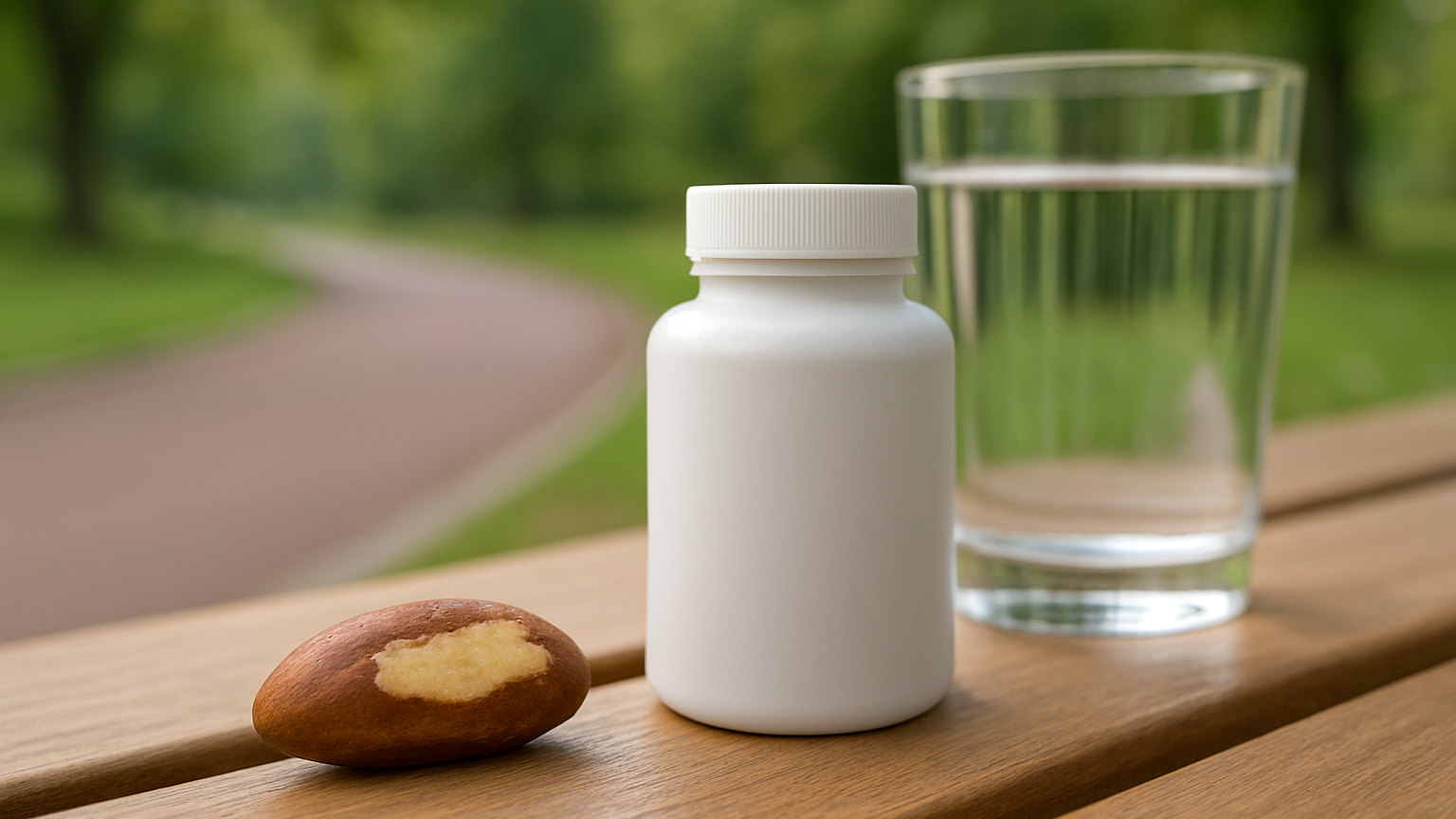
They are the richest food source by a wide margin and wildly variable. Two nuts might supply the daily requirement or several times the upper limit, depending on where they grew.
Passionflower is taken for anxiety and sleep. Small trials are mildly encouraging and it is sedating enough to matter alongside other things.
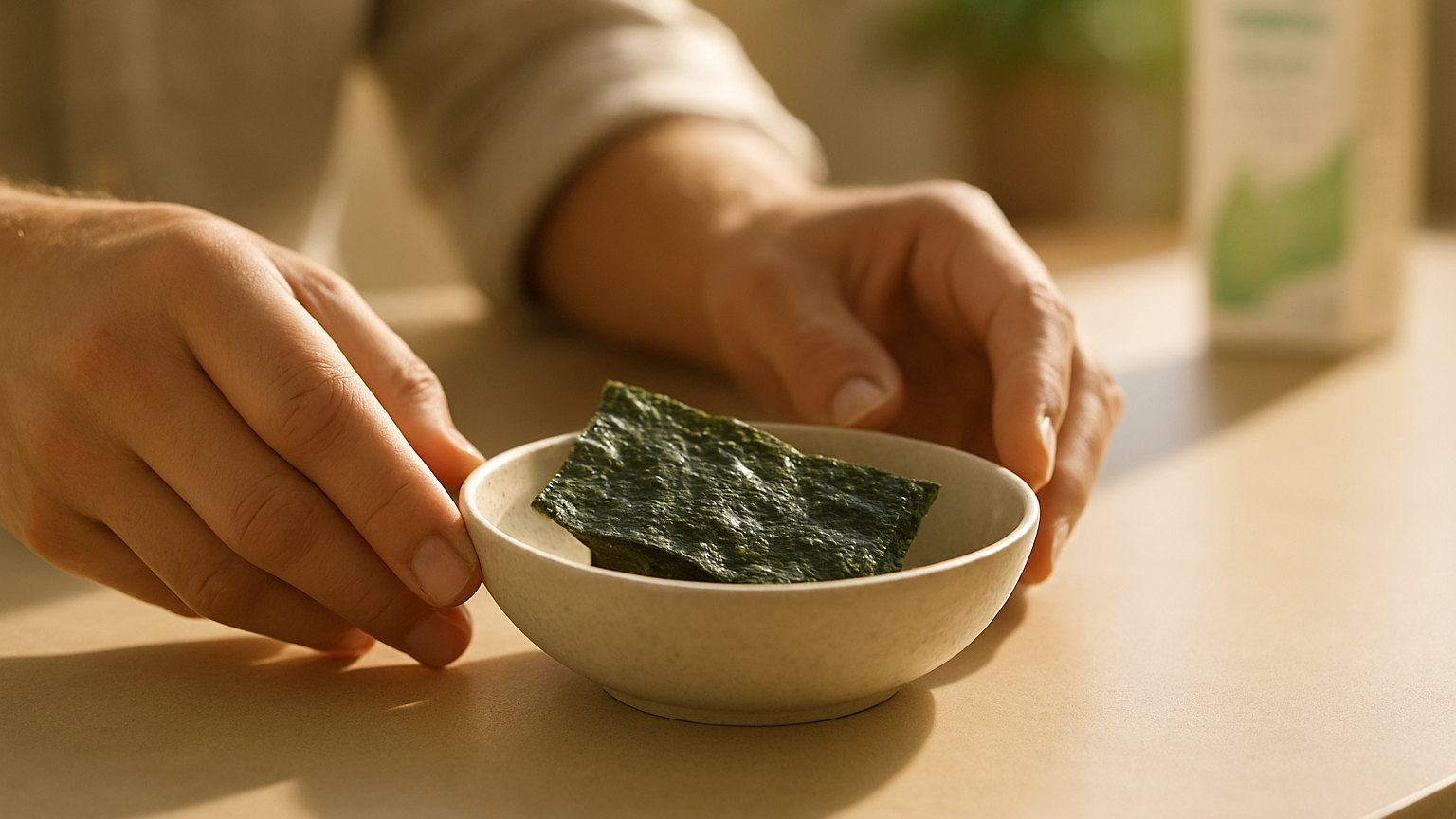
The main UK sources are dairy and fish, so removing both leaves very little. Most plant milks are not fortified with iodine, which catches people out.
The trials are less encouraging than the marketing. Benefits appear mainly in older adults with low intakes taking calcium alongside vitamin D, rather than in the general population.