What Is Lemon Balm and Does It Help Anxiety?
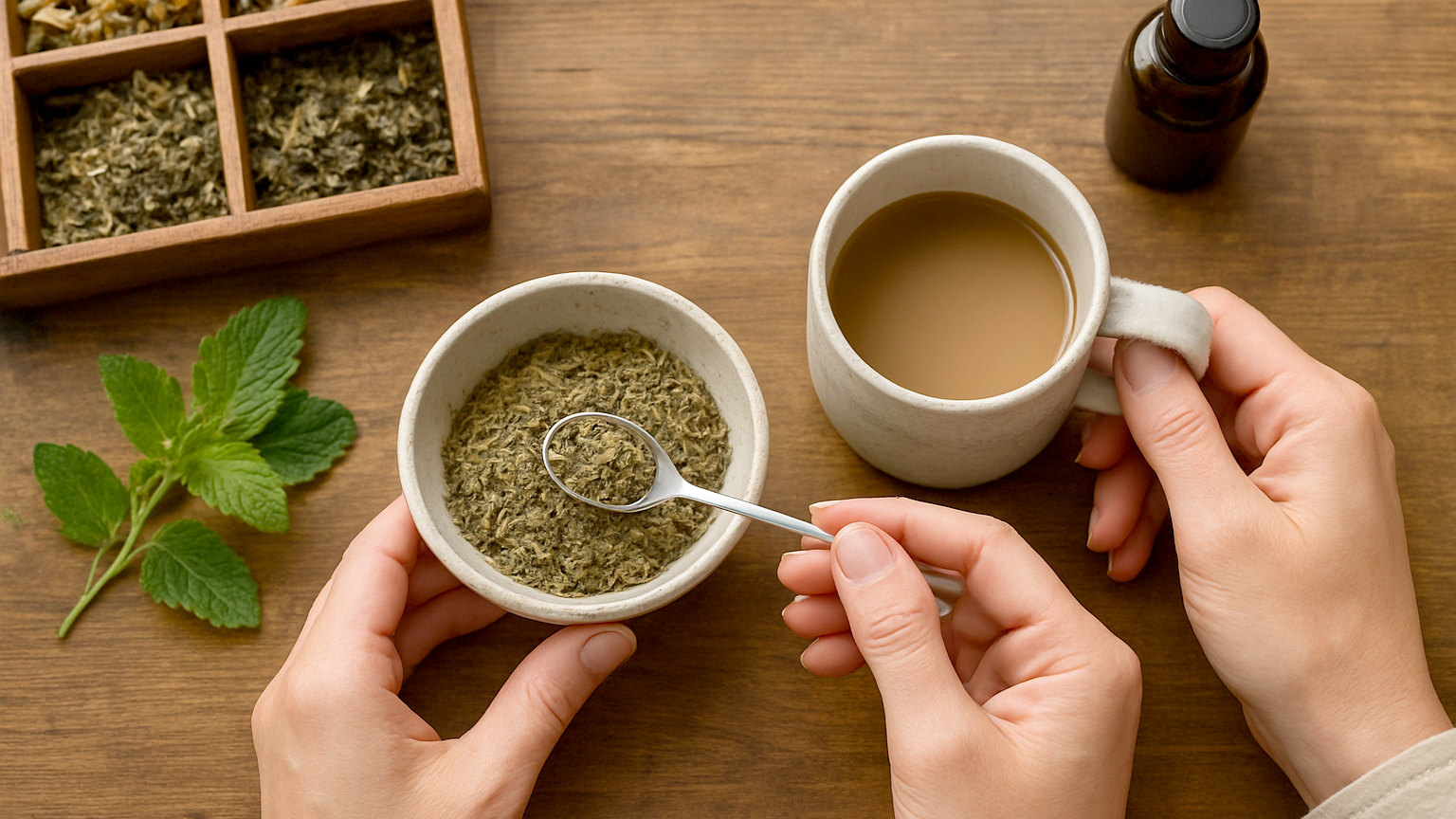
Lemon balm is taken for anxiety, sleep and digestion. It has small supporting trials and a thyroid caution that is rarely mentioned.
By Supplements Guide
16 Feb 2026

Minerals are where the marketing gets specific: this form absorbs better, this one is gentler on the stomach, this one is bioavailable. Some of that is true and most of it does not justify the premium. These guides cover what each mineral does, how you would actually know if you were short, which forms have evidence behind them, and where the safe upper limits sit.
Lemon balm is taken for anxiety, sleep and digestion. It has small supporting trials and a thyroid caution that is rarely mentioned.
Muscle twitching, cramps and fatigue are typical, and the blood test most people are given is a poor measure of magnesium status.
Yes, and it is the main reason zinc has a low upper limit. The resulting neurological damage can be permanent, and the cases are usually caused by well intentioned supplementation.
Burdock root is taken as a blood purifier and for skin complaints. The evidence is minimal, and a historic poisoning episode is worth knowing about.
Ferritin is the key measurement and a full blood count alone is not enough. Inflammation raises ferritin, which is the main thing that complicates the interpretation.
Nettle leaf is taken for hay fever, joint aches and as a supposed iron source. The iron claim does not survive much examination.
Far less than most people consume. UK guidance caps salt at 6 grams a day and average intake exceeds it, which makes deliberate sodium supplementation unusual.
UK guidance sets 75 micrograms for men and 60 for women, and average intakes fall below both. The upper limit is only a few times the requirement.
White fish, dairy and eggs lead in the UK, and seaweed dwarfs everything else to the point of being risky. Plant foods vary with soil and cannot be relied upon.
Dairy leads on both quantity and absorption, and several non dairy sources compete well. Spinach is the classic example of high content and poor availability.
Oxide is cheap and poorly absorbed, citrate is the sensible default, and glycinate is gentler. Threonate is expensive and rests on very limited evidence.
UK guidance sets 9.5mg for men and 7mg for women, with a supplement ceiling of 25mg that is lower than many products contain.