When Should You Take Caffeine Before Exercise?
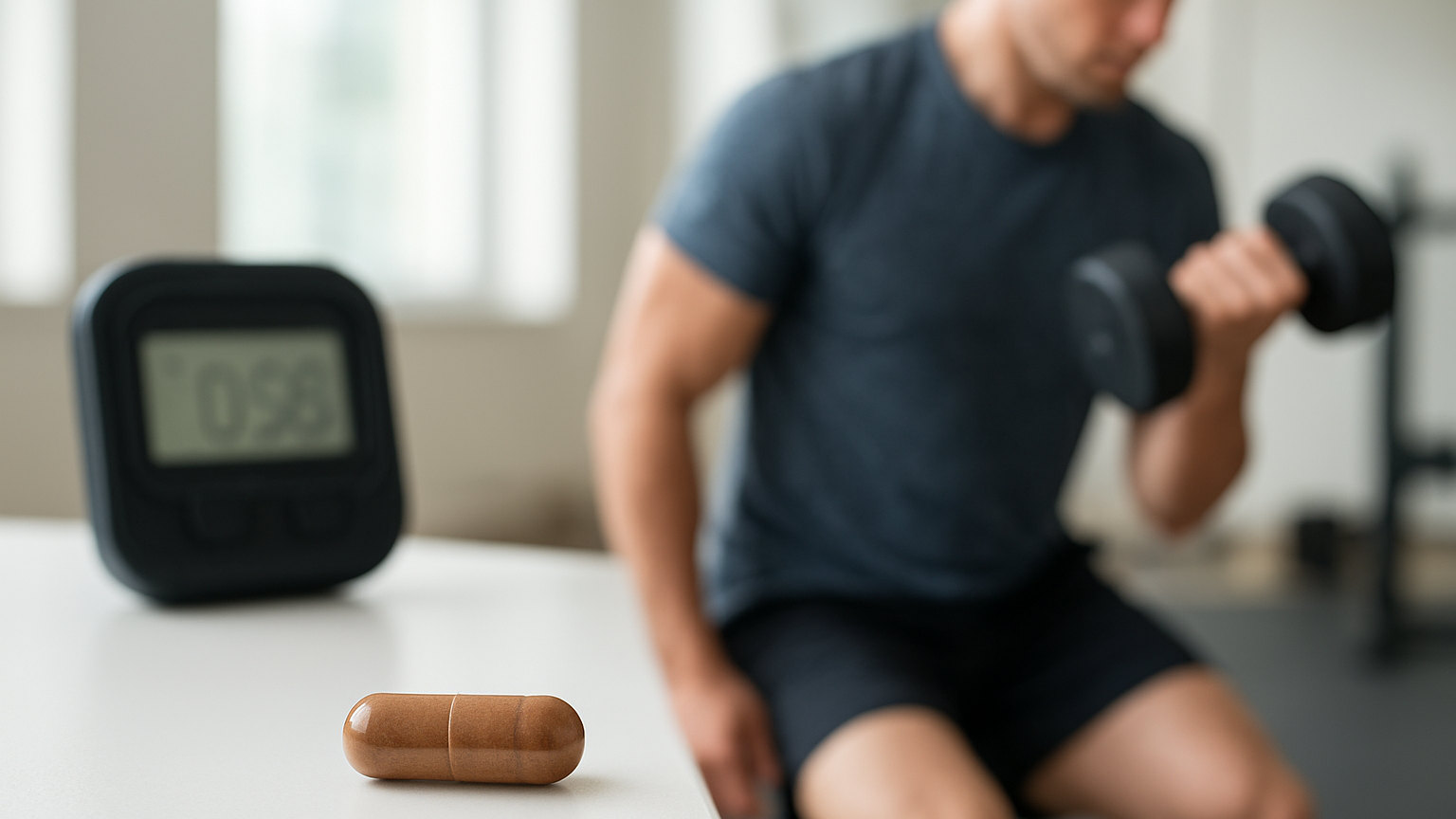
Around 45 to 60 minutes before, which is when blood levels peak. Individual variation is considerable, and the window of benefit is wider than the peak suggests.
Sports supplements are both the most heavily marketed and the most thoroughly studied, which is a useful combination, because the evidence is there if you go and look. A very short list works well, a much longer list does nothing measurable, and one or two earn their money only in specific circumstances. These guides say which is which, and at what dose.
Around 45 to 60 minutes before, which is when blood levels peak. Individual variation is considerable, and the window of benefit is wider than the peak suggests.
Beta-alanine causes it by activating sensory nerve receptors in the skin. It is harmless, dose related, and unrelated to whether the product is working.
Isolate is filtered further, containing more protein and less lactose and fat per scoop. For most people concentrate is the better value, and isolate suits those sensitive to lactose.
They reduce soreness and appear to blunt strength and muscle adaptations when used routinely after resistance training. Timing and purpose determine whether they help.
Research uses 4 to 6 grams daily, split across the day. Total daily intake determines the result, since carnosine accumulates rather than responding to single doses.
Almost certainly not. Complete proteins already contain substantial BCAAs, so a supplement adds to an intake that was already sufficient.
Loading saturates muscle stores in about a week rather than a month. The end point is identical either way, so it is a question of speed rather than effectiveness.
Research doses sit around 3 to 6mg per kilogram of body weight, and lower doses work for many people. More is not better, and the side effects arrive before the extra benefit.
They produce a noticeable effect, and most of it comes from caffeine. Whether the rest of the formula adds anything depends entirely on the doses used.
Whey has a better amino acid profile and more leucine gram for gram. At sufficient total intake, trials comparing muscle gains have found the difference small or absent.
By a considerable margin. Sleep restriction impairs muscle protein synthesis, raises injury risk and reduces performance in ways no product addresses.
It raises muscle carnosine, which buffers the acidity that builds during hard efforts. The benefit is specific to a narrow band of exercise durations.