Do Collagen Supplements Improve Skin?
Meta-analyses report improvements in hydration and elasticity, and much of the research is industry funded and uses subjective measures.
By Supplements Guide
18 Feb 2026

These are the supplements you have seen advertised, and they are where the gap between the claim and the evidence is widest. A few hold up better than their reputation suggests. Several are sold on studies that do not say what the label implies. Some have nothing behind them at all beyond a good-looking tub. We say which, and show our working.
Meta-analyses report improvements in hydration and elasticity, and much of the research is industry funded and uses subjective measures.
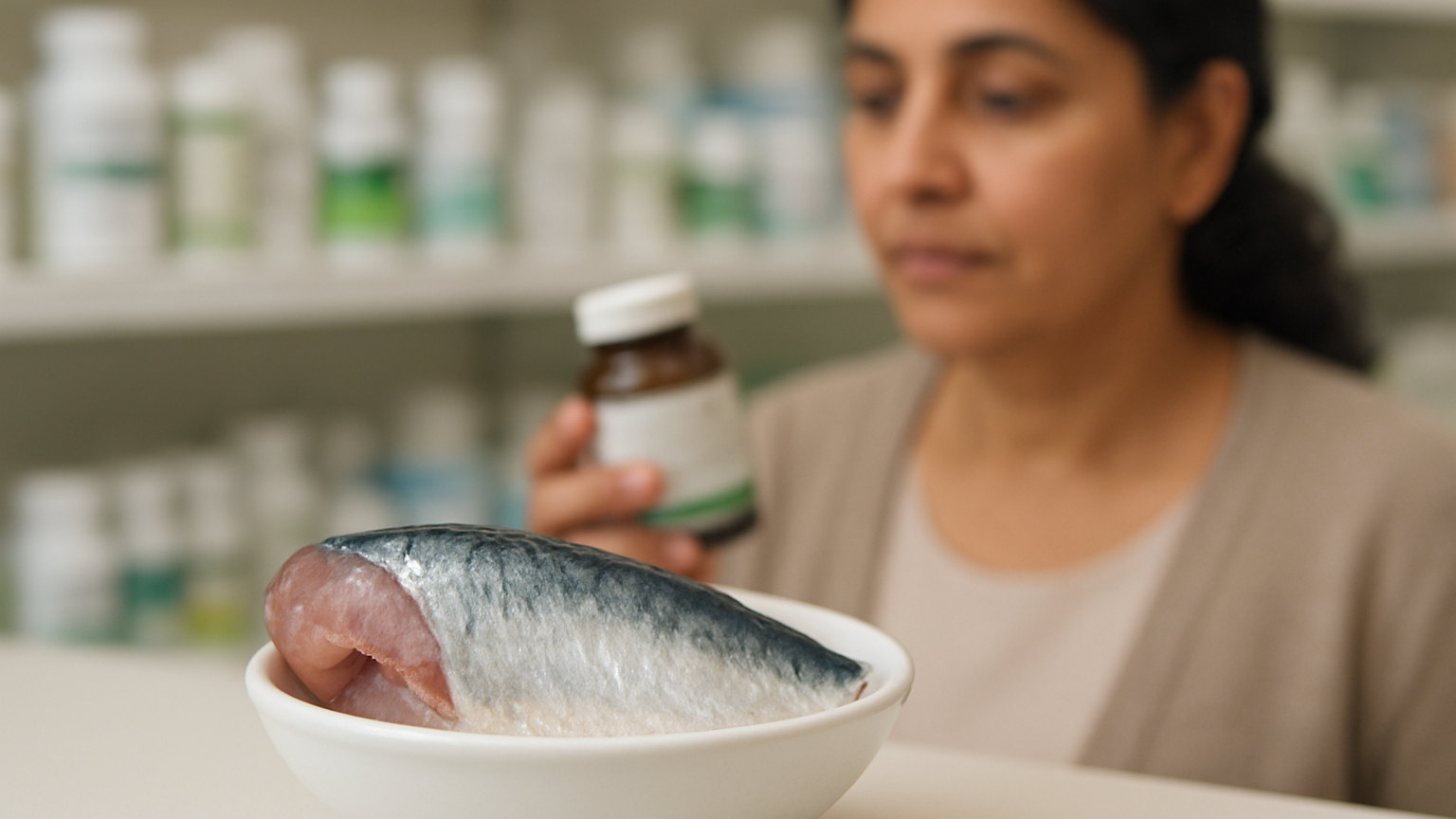
Eating fish looks protective in observational research, while supplement trials have largely disappointed. Triglyceride lowering is the one clearly established effect.
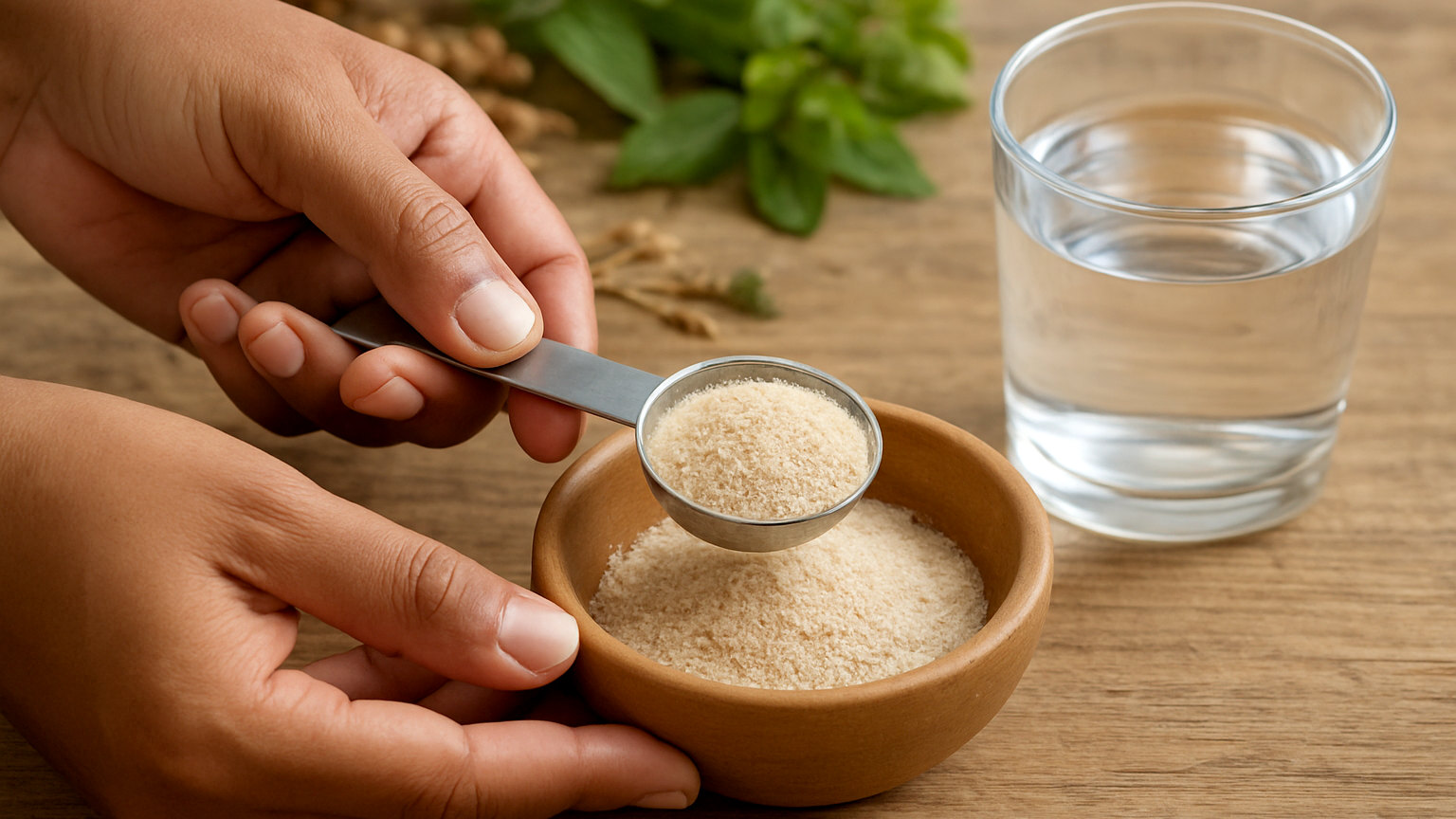
Fibre based products produce genuine if modest fullness through physical bulk. Most other appetite claims rest on stimulants or on very little.
No, and the gap is larger than the marketing implies. Fibre, water, volume and the food matrix itself are not reproduced in a scoop of powder.
Some do and many do not, with survival varying enormously between strains. Spore forming bacteria and enteric coatings improve the odds considerably.
It absorbs badly, is rapidly broken down in the gut wall and liver, and clears quickly. Almost every formulation innovation exists to address this.
This is the best supported claim, with several trials reporting reduced stress scores and lower cortisol. The studies are small and mostly industry funded.
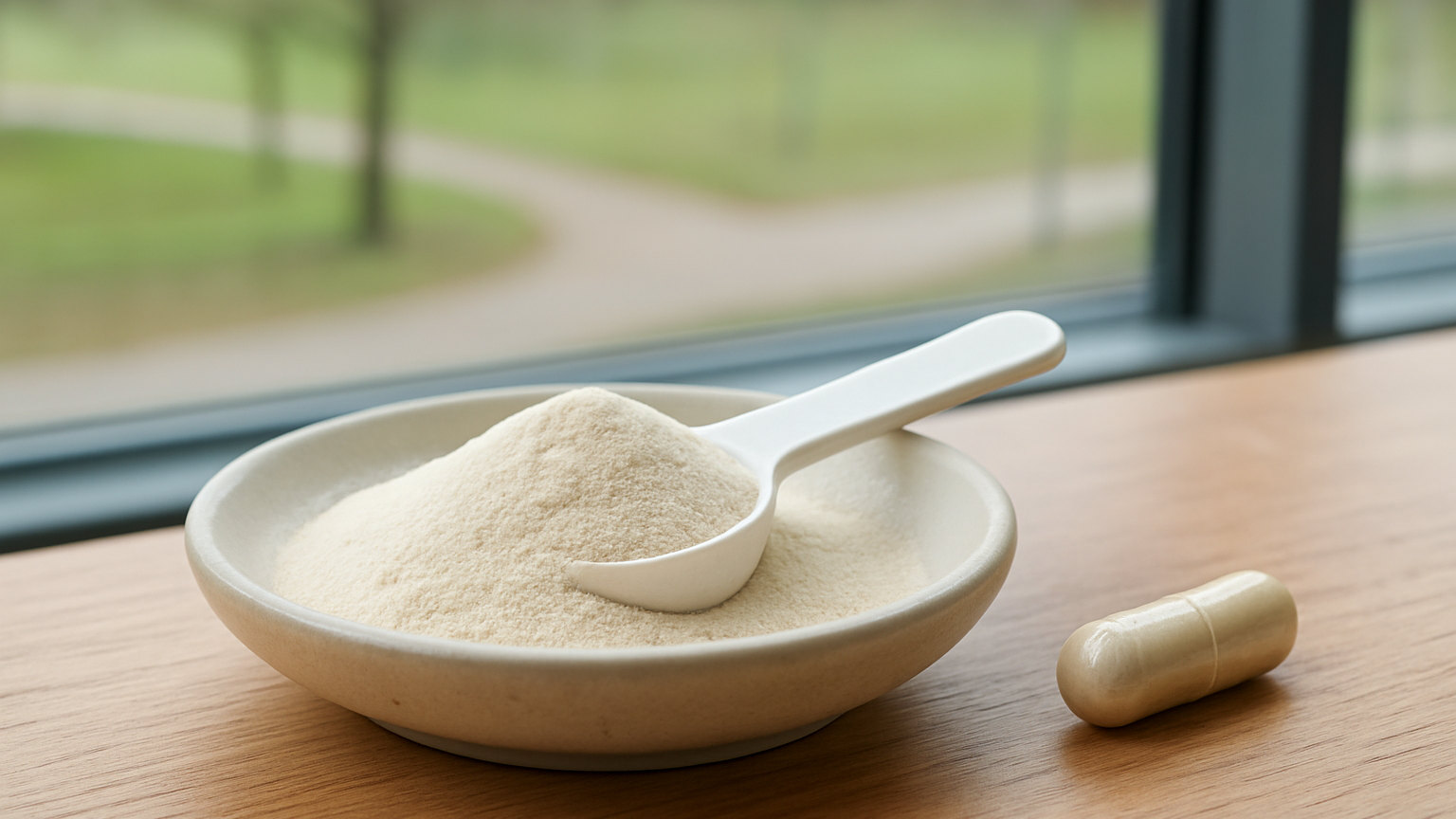
Collagen is digested into fragments rather than absorbed whole, and specific peptides do reach the bloodstream. Whether they act as signals is the interesting question.
UK guidance frames it as two portions of fish weekly including one oily, which works out at roughly 450mg of EPA and DHA a day.
Meta-analyses find effects under a kilogram, largely attributable to caffeine. High dose extracts also carry a documented liver injury risk.
A small number of named strains carry most of the research. Products listing species without strain designations are not the ones that were studied.
Usually dried grasses and algae, vegetable and fruit powders, added vitamins, and a long tail of ingredients present in token amounts.