How Should You Read a Supplement Study?
Check the design, the number of participants, who was studied, what was measured and who paid for it. Five questions cover most of it.
By Supplements Guide
15 Jun 2026

Supplements are sold as food in the UK rather than as medicine, which means the bar for what can appear on the packaging is far lower than most people assume. These guides cover the interactions worth checking before you start anything, the upper limits that genuinely matter, what a regulated health claim is actually permitted to say, and how to read a label without being led by the front of it.
Check the design, the number of participants, who was studied, what was measured and who paid for it. Five questions cover most of it.
Butterbur is taken for migraine and hay fever. It naturally contains compounds that damage the liver, which is why products were withdrawn.
They are convenient and not essential. Folic acid and vitamin D bought separately cost considerably less and cover the guidance.
Work out the cost per day at the dose you would actually take, then the cost per unit of the ingredient you want.
Kava is taken for anxiety and has genuine trial evidence. It was restricted in Britain after reports of severe liver injury including deaths.
Yes, mostly through minerals competing for absorption. Zinc and copper, iron and calcium, and folic acid masking B12 are the important ones.
Hawthorn is taken for heart failure and blood pressure. It genuinely affects the heart, which is exactly why it should not be used unsupervised.
Supplements affecting bleeding add to the risk from anti-inflammatories, and several herbal products contain salicylates that compound the effect.
Products containing more or less than labelled, contaminants above limits, and in some categories substances not declared at all.
Yes, and they contribute more than most people realise. A fortified cereal and a fortified plant milk can supply a full reference value before any supplement.
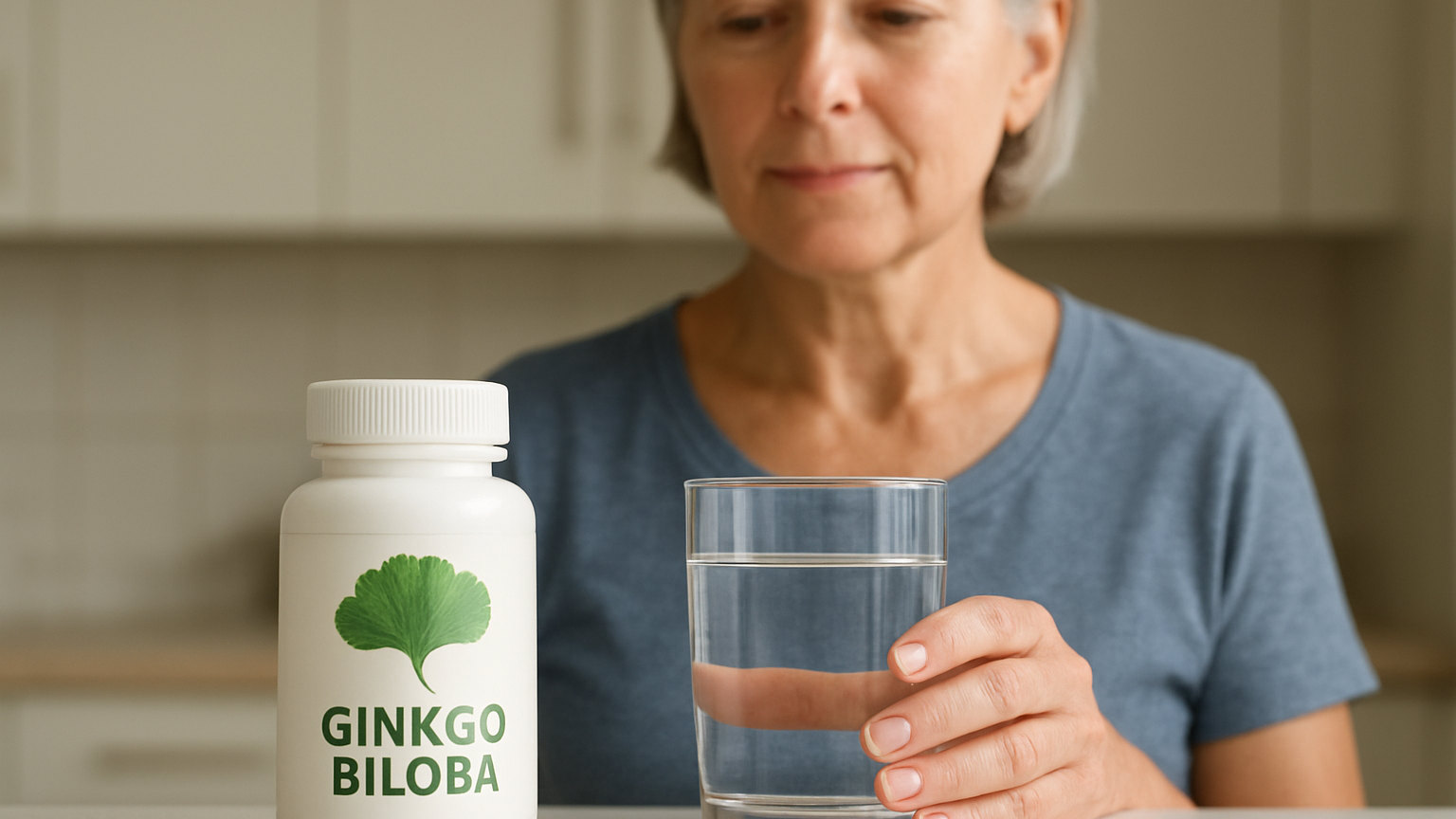
Ginkgo biloba is taken for memory and circulation. Its effect on platelets matters alongside anticoagulants and before surgery.
No. A product claiming to prevent, treat or cure a disease becomes a medicine legally and requires licensing to be sold.